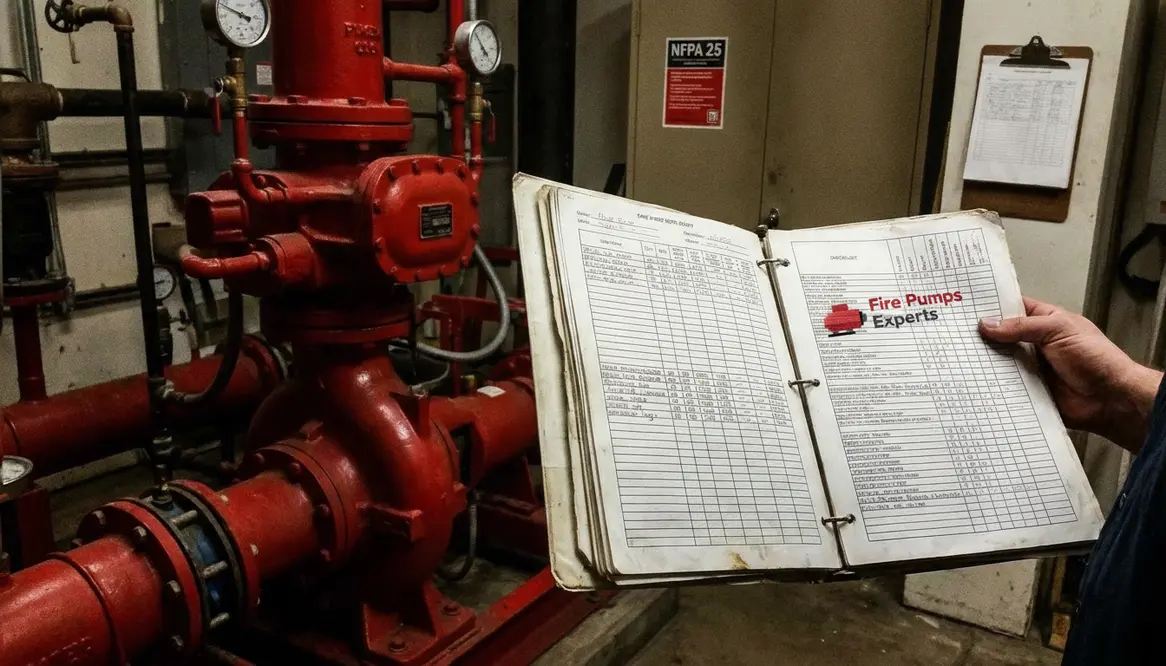
Fire Pump Inspection and Maintenance Records (NFPA 25)
When I talk about fire pump inspection records, fire pump maintenance records, and NFPA 25, I am not talking about paperwork for the sake of paperwork. I am talking about the records that can prove a commercial or industrial building stayed ready when the heat turned real. For facility managers, these files help track compliance, spot trouble early, and keep the whole protection system from acting like a sleepy guard on a night shift. In a major property, that is no joke.
So let me break this down in plain language. If you manage a high rise, warehouse, plant, hospital, or other large facility, the right records do more than satisfy an audit. They help you protect people, limit damage, and stay organized when a fire pump decides to need attention at the worst possible time.
What I keep in the file
I always start with the basics. A strong record set should show what was inspected, what was tested, what was repaired, and who did the work. That sounds simple, and yet simple is often where the gold lives.
Here is what I would keep for each fire pump system:
- Installation details and equipment data
- Inspection dates and results
- Weekly or monthly test logs
- Maintenance and repair reports
- Alarm and controller checks
- Churn test results and pressure readings
- Parts replaced and service notes
- Name of the technician or contractor
- Corrective actions and follow up dates
These records tell the story of the system. Without that story, you are guessing, and guessing is fine for popcorn flavors, not for fire protection in a major property.
How I organize fire pump inspection records
I like to keep inspection records clean, dated, and easy to scan. If I cannot find last month’s report in under a minute, then the system is already more complicated than it should be.
For fire pump inspection records, I make sure each entry includes:
- Inspection frequency
- Visual condition of the pump, motor, or engine
- Jockey pump status
- Controller condition
- Suction and discharge valve position
- Leak checks
- Power supply status
- Room temperature and ventilation notes
These details matter because small changes can point to larger problems. For example, a slight leak today can become a serious issue later. Also, if a controller shows warning signs, I want that caught before the system starts behaving like a drama queen.
What belongs in fire pump maintenance records
Inspection tells me what I see. Maintenance tells me what I did about it. That difference matters.
Good fire pump maintenance records should include:
- Service date and service type
- Cleaning performed
- Lubrication and adjustment work
- Seal, belt, battery, or gasket replacement
- Engine or motor service details
- Testing after repair
- Follow up recommendations
- Next service due date
Here, I also want clear notes on any failure pattern. If a unit keeps losing pressure, then the record should say so. If a technician finds buildup, corrosion, or a sticking valve, that should stay in the file too. In other words, I want facts, not a mystery novel.
How NFPA 25 fits into the record trail
NFPA 25 sets the standard for inspecting, testing, and maintaining water based fire protection systems. For facility managers, that means the record set should support the required routine work and show proof that it happened.
I would keep the records tied to the standard in a few key ways:
- Match each inspection or test to the correct schedule
- Note any failed item and the correction date
- Keep historical results so trends are easy to see
- Save technician qualifications when needed
- Store reports long enough to support reviews and audits
When I follow this approach, I do not just meet a rule. I build a system that helps me stay ahead of risk. That saves time later, which is wonderful, because nobody wakes up hoping for more fire pump paperwork before coffee.
Fire pump records checklist for facility managers
This simple structure helps me spot gaps fast. It also makes it easier to hand off records during ownership changes, audits, or service reviews. A clean trail beats a pile of random PDFs every single time.
Why I keep digital and paper copies
I like having both digital and paper records for major facilities. Digital files make search fast. Paper copies help when a system, server, or laptop has a bad day. And yes, technology can be moody. It happens to the best of us.
I also recommend labeling every file by building, system, date, and record type. That way, I can find what I need without hunting through a digital jungle. If I manage more than one site, this becomes even more important. One misplaced report can waste hours, and hours are expensive.
If I need expert support for commercial and industrial properties, I also look at trusted resources like los angeles fire pump service guidance and related service pages such as fire pump solutions for major facilities and commercial electrical service support. For facilities in Australia, I also review Australian fire sprinkler service resources when system coordination matters.
FAQ
Conclusion
Strong fire pump records are not busywork. They are proof, protection, and peace of mind for any commercial or industrial facility. If you want better control, fewer surprises, and a cleaner compliance trail, start tightening your files now. Review your fire pump inspection records, improve your fire pump maintenance records, and check them against NFPA 25 expectations. If you need help building a stronger program, contact a trusted fire pump specialist today and get the system story in order.
Keep it consistent, keep it traceable, and let the paperwork do its real job: show that your fire pump was ready, not just scheduled, and that your NFPA 25 documentation holds up when questions show up.