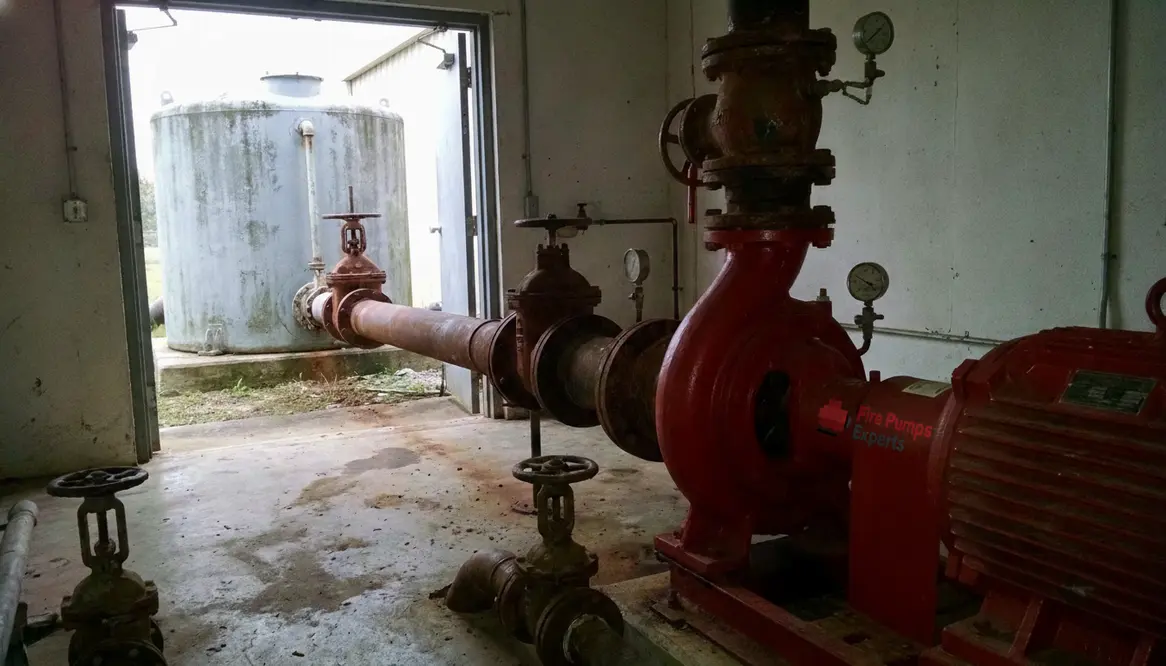
Fire Pump Suction Aboveground Water Tank Can Go Wrong
Fire Pump Suction From an Aboveground Water Tank: What Can Go Wrong?
I have seen more fire pump troubles start at the water source than at the pump itself. When a fire pump water tank feeds a system, the setup looks simple on paper. In real life, the fire pump suction line can turn into a drama king fast, especially when the fire water storage tank is not sized, vented, or arranged the right way. And yes, that is the kind of problem that waits quietly until the worst possible moment. For commercial and industrial buildings, the stakes are high, so I always treat tank suction like the front door to the whole fire protection system.
Below, I will walk through the common failures, why they happen, and what I check first. I will keep it practical, because no one needs a Shakespearean tragedy in the pump room.
Why aboveground tank suction fails
When I inspect an aboveground tank, I look for three big risks right away: poor water flow, air entry, and unstable pressure. First, the pump needs a steady supply. If the tank outlet sits too high, too small, or too close to debris, the pump can starve. Then cavitation can follow, and that sounds as ugly as it feels. It can shake the pump, damage parts, and cut performance.
Also, suction piping that traps air creates trouble. Air pockets reduce flow, and the pump may lose prime or struggle on startup. In a fire event, that is a plot twist nobody asked for. In addition, if the tank does not have enough usable water volume, the system may run out faster than expected. That matters in tall commercial buildings and large industrial sites, where demand can rise hard and fast.
Fire pump suction problems I check first
I always start at the tank outlet and move down the line. That simple habit catches a lot of headaches before they become expensive stories told over coffee.
Common issues include:
- Insufficient water level during peak demand
- Blocked outlet screens or debris buildup
- Undersized suction piping
- Too many elbows or short radius turns
- Air leaks at joints, valves, or flanges
- Vibration that loosens fittings over time
Each one can hurt performance. However, when two or three show up together, the system can fail in a very messy way. I have seen a tank that looked fine from across the room, yet the suction line had a tiny air leak that caused repeated startup issues. Small leak, big attitude. Very Hollywood.
How tank layout affects performance
The layout around the fire water storage tank matters more than many people expect. I want the suction line to have a short, smooth path with minimal friction loss. I also want the tank outlet to support full flow without pulling in sediment or floating debris. If the tank floor slopes wrong or the outlet sits in a bad spot, sludge can ride straight into the piping. That is not a fun surprise for anyone, especially the pump.
Here is where I use a simple dual view of the system:
Tank side: water level, outlet placement, venting, debris control
Pump side: suction pipe size, alignment, supports, seal tightness
Both sides must work together. If one side acts up, the other side pays the price. For major properties, I also think about access. Crews need room to inspect valves, clean strainers, and test flow without turning the area into an obstacle course.
Design mistakes that create long term trouble
I often see the same design mistakes repeat on commercial sites. First, someone picks a suction pipe that is too small because it looks cheaper. Later, the system pays for that choice with poor flow and higher wear. Second, the tank setting does not match the pump demand, so the usable water drops too fast. Third, the design ignores future expansion. That is a classic move. A building grows, the fire load grows, but the tank stays stuck in the past like an old playlist that keeps playing the same three songs.
There is also the issue of poor coordination with the electrical and control systems. If the pump starts under weak suction conditions, alarms may repeat and maintenance teams lose time chasing the wrong problem. For a better system review, I often point owners to resources like fire pump solutions for Los Angeles commercial facilities and related guidance from Kord Electric when power and controls need a closer look. In Australia, teams can also review fire sprinkler services support when they need a broader view of the water based fire protection setup.
What I do to keep the system ready
I keep the maintenance plan simple, but I keep it strict. I inspect the tank water level, test the suction line for leaks, confirm valve positions, and look for signs of corrosion or vibration. I also check for settled debris and confirm that the inlet stays clear. Then I test the pump under real conditions, because guesswork belongs in movie plots, not in fire protection.
Regular checks should include:
- Visible tank condition and water level
- Suction line joints and support points
- Valve position and operation
- Signs of cavitation or unusual noise
- Debris, rust, or sediment at the outlet
For commercial and industrial facilities, this routine protects uptime and keeps the system honest. It also helps spot small issues before they turn into a full system failure during an emergency.
FAQ
Conclusion
If you manage a commercial building or industrial property, I would not wait for a suction problem to announce itself with sirens and regret. Review the tank layout, confirm the fire pump suction line is sound, and test the system before it gets tested by fire. If you want a clearer path forward, I can help you tighten the design, spot the weak points, and keep your fire pump system ready for the real thing.