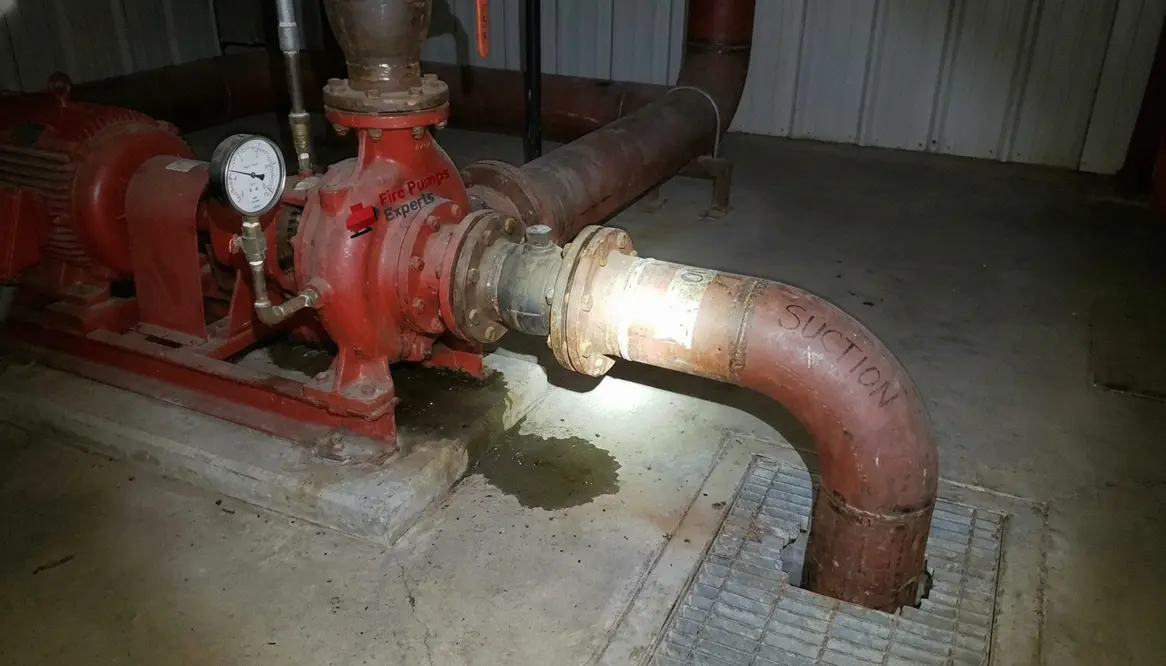
Underground Tank Suction Fire Pump Common Problems
I have seen plenty of fire pump rooms where everything looks calm on the surface, yet the trouble starts at the underground fire water tank. That tank feeds the fire pump suction, which then keeps the fire pump system ready for commercial and industrial facilities, plus major properties that cannot afford guesswork. And yes, when this setup fails, the whole room starts acting like a bad sequel nobody asked for. So let me walk through the common problems, what causes them, and what I check first.
Fire Pump Suction From Underground Tanks: Common Problems
When the tank cannot feed the pump correctly
The first issue I look for is poor water flow from the underground fire water tank to the suction line. If the water level drops too low, the pump can pull air instead of water. That creates cavitation, noise, vibration, and weak pressure. In plain terms, the pump sounds like it swallowed a bucket of gravel. I also check for blocked strainers, closed valves, or pipe sizes that are too small for the demand. These problems often show up in large buildings where the system has aged and no one has reviewed the tank and piping together.
Why air leaks keep showing up
Air leaks are sneaky. They do not always leave puddles, and they often hide in joints, gaskets, or fittings near the suction side. However, even a tiny leak can hurt pump performance. The pump may lose prime, fluctuate under load, or fail to build stable pressure. I also see loose covers or bad seals on the underground fire water tank itself. When that happens, the system may draw air during a demand event, and that is a problem you do not want to discover while everyone is counting on the fire pump system to work like a hero in a cape.
How suction piping causes pressure loss
Suction piping needs the right layout, the right slope, and the right support. If the pipe rises, dips, or traps air, the pump will struggle. If the line is too long or too narrow, friction loss climbs fast. As a result, the pump works harder and delivers less. I also watch for bad elbows close to the fire pump suction, because they disturb the flow and create turbulence. For commercial and industrial sites, this matters even more since the demand can be high and the margin for error is small.
Problems I find during inspections
Here is the short list I keep coming back to:
Tank side issues
- Low water level
- Sediment buildup
- Cracked liners or walls
- Blocked intake openings
Pump side issues
- Air leaks in joints
- Poor pipe alignment
- Valve problems
- Vibration from cavitation
Also, poor maintenance often hides the real issue. A pump may seem fine during a weekly test, but then fail during a real demand because the underground fire water tank has sludge at the bottom or the suction line has a partial blockage. In other words, the system may pass the “looks fine from the doorway” test, which is not exactly a technical standard.
Why water quality and debris matter
Dirty water can ruin suction performance over time. Rust, sand, and debris settle in the tank and can enter the fire pump suction intake line. Then strainers clog, valves stick, and the pump loses steady flow. I always remind owners that the tank is not a decorative pond. It must stay clean and ready. If the site stores water for long periods, I check for sediment and signs of bio growth. This step helps protect the fire pump system and lowers the risk of surprise failures during an emergency.
What I fix first on a failing system
When I troubleshoot, I start with the basics. First, I confirm water level. Next, I inspect the suction line for air leaks, valve position, and pipe support. Then I listen for cavitation and check pressure readings. After that, I look inside the tank for debris or damage. I also review maintenance records, because patterns matter. If the same issue keeps coming back, the root cause is usually still there, waiting like a sequel nobody approved.
How I keep the system ready long term
I focus on regular inspection, clean water storage, and proper pipe alignment. I also test the full setup under working conditions, not just a quick start and stop. For larger properties, I compare the underground fire water tank capacity, suction layout, and pump demand together so nothing gets left behind. If you want a stronger reference point, I suggest reviewing this los angeles fire pump service guide and this fire pump service resource. For related electrical support on large facilities, I also keep commercial electrical service solutions in the mix, and for broader fire protection planning, fire sprinkler service support can help shape the bigger picture.
FAQ
Conclusion
If you manage a commercial or industrial property, treat suction issues as a top priority, not a side note. A healthy underground fire water tank and a clean, stable suction line keep the fire pump system ready when it matters most. So if you hear strange noise, see pressure drops, or suspect a tank issue tied to the fire pump suction, act now. I can help you spot the cause, fix it early, and keep your building prepared with less stress and fewer surprises.