Fire Pump Inspection and Testing Requirements San Diego
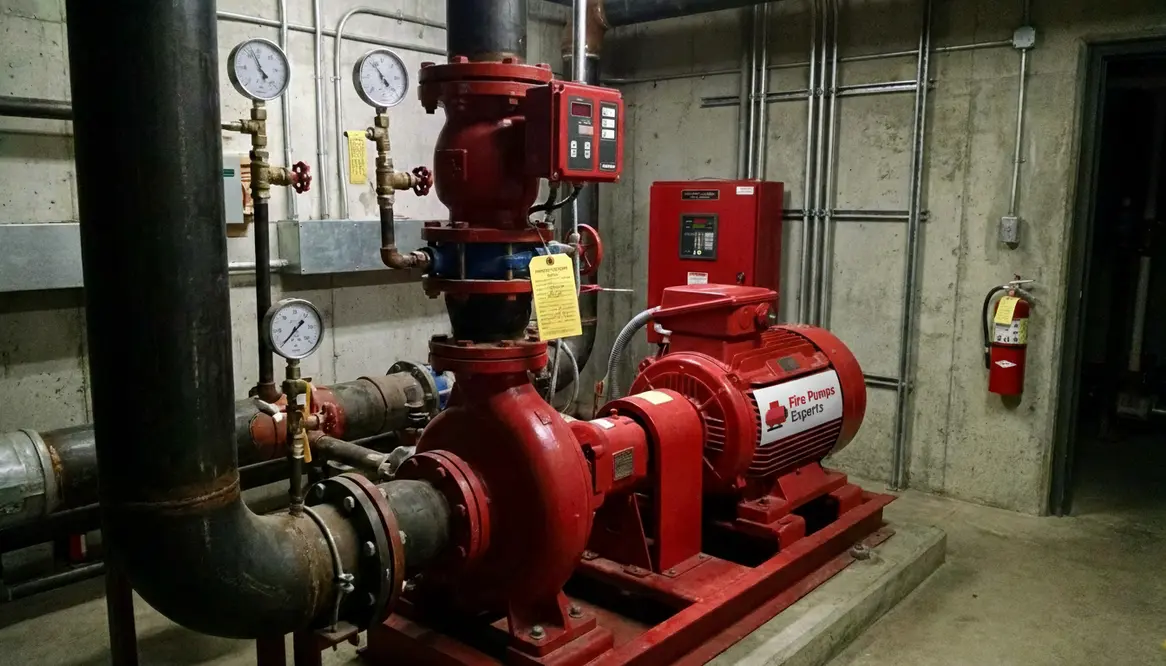
In a city full of high rises, hospitals, data centers, and sprawling campuses, a fire pump is the quiet hero in the mechanical room. Most days it does nothing at all. Then one day everything depends on it.
I have spent many years around fire protection systems in large buildings, and I can tell you one thing right away. A fire pump is a lot like a superhero that spends most of its life quietly waiting in the shadows. It does nothing for years. Then one day it is called into action, and everyone suddenly hopes it performs like Captain America lifting that hammer.
That is exactly why the fire pump inspection and testing requirements san diego follow the strict guidance of NFPA 25. In a region filled with high rise offices, manufacturing sites, hospitals, data centers, and large commercial campuses, fire pumps must work without hesitation. The schedule may look intimidating at first. However, once you break it down into weekly, monthly, quarterly, and annual tasks, the entire system begins to make sense.
Today I will walk you through that schedule in plain English. No complicated jargon. Just clear guidance for facility managers, property engineers, and building owners responsible for protecting major commercial and industrial properties across San Diego.
Why Fire Pump Testing Matters in Large Commercial Buildings
Let me start with a simple truth. A fire pump is the beating heart of a sprinkler system in large buildings.
Many San Diego facilities simply cannot rely on city water pressure alone. Hospitals, distribution centers, high rise towers, and massive commercial campuses require additional pressure to move water through miles of piping. Therefore, the fire pump takes over when pressure drops.
However, mechanical systems have personalities. Motors age. Controllers drift out of calibration. Valves get bumped by well meaning maintenance crews who swear they were only “cleaning around it.”
That is why NFPA 25 requires routine inspection and testing. The goal is simple. Catch small problems before they become expensive failures.
Additionally, regular testing protects property managers from something far worse than mechanical breakdowns. I am talking about compliance violations, insurance complications, and legal liability. Trust me, those conversations are never fun.
So while testing may feel routine, it serves a powerful purpose. It ensures that when a fire occurs, water moves fast, pressure holds steady, and the system does its job.
Fire Pump Inspection and Testing Requirements San Diego: The NFPA 25 Schedule
If you manage a commercial or industrial facility, you may have already stared at the NFPA 25 testing schedule and wondered if it was written by someone who drinks three espressos before breakfast.
Fortunately, the schedule becomes very manageable when you break it into clear intervals.
Here is the simplified structure most large properties follow.
Weekly Tasks
- Observe pump room condition
- Verify pump house temperature
- Check controller status lights
- Confirm valves remain open
- Run diesel pumps briefly to circulate fuel
These quick visual checks take minutes. However, they prevent the classic problem of discovering a closed valve during an emergency. Yes, it happens more often than people admit.
Monthly Tasks
- Inspect pump packing glands
- Check for unusual vibration or noise
- Inspect fuel tanks and batteries for diesel pumps
- Record system pressures
At this stage, technicians start paying closer attention to the mechanical health of the system.
Quarterly Tasks
- Inspect alarm signals
- Check relief valves
- Verify supervisory signals
Quarterly inspections make sure the pump communicates properly with the building fire alarm system.
Annual Flow Testing
This is the big one. Once a year the pump must demonstrate that it can deliver its rated flow and pressure. Specialized test equipment measures performance at multiple flow points. If the pump cannot reach those benchmarks, repairs or adjustments follow.
Think of this like a stress test for the heart of your fire protection system.
What Happens During a Full Fire Pump Flow Test
Many facility managers ask me what actually happens during an annual fire pump flow test. After all, when technicians roll up with hoses, gauges, and what looks like a small plumbing convention in a truck, curiosity kicks in.
The process is methodical.
First, technicians connect calibrated gauges to suction and discharge lines. Then they run the pump while discharging water through test headers or flow meters.
The pump operates at three key points.
- Churn or no flow condition
- 100 percent rated capacity
- 150 percent rated capacity
Each step measures pressure, flow rate, and mechanical performance.
If the pump struggles to reach required flow levels, the data reveals the cause. It may be impeller wear, suction problems, controller issues, or pipe restrictions.
Now here is the good news. Discovering those problems during testing is exactly the point. It is far better than discovering them while firefighters are standing outside your building wondering why the sprinklers feel a little shy.
Common Compliance Mistakes I See in San Diego Facilities
After years of working with large commercial buildings, I have seen a few patterns emerge. Some mistakes appear again and again.
And yes, sometimes I shake my head the same way a mechanic does when someone says, “The check engine light has been on for six months but I figured it would sort itself out.”
Skipped Weekly Observations
Small checks often fall through the cracks. Yet those quick inspections catch temperature issues, power problems, and valve changes.
Poor Documentation
NFPA 25 requires detailed records. Missing documentation can trigger compliance issues during inspections.
Improper Flow Testing
Some facilities attempt testing without the proper equipment or trained technicians. Accurate flow measurements matter. Guesswork does not count.
Controller Neglect
People focus on the pump itself. However, the controller acts as the brain of the system. If it fails, the pump may never start.
When facility teams stay consistent with inspections, these issues rarely appear.
How Facility Managers Can Keep Fire Pump Systems Reliable
Managing fire protection across a large property portfolio can feel like juggling bowling balls while riding a bicycle. Yet a structured approach keeps everything under control.
Operational Focus
- Schedule weekly visual inspections
- Track controller status indicators
- Maintain proper pump room temperature
- Keep valves locked in open position
- Monitor pressure readings regularly
Compliance Focus
- Maintain NFPA 25 inspection logs
- Schedule certified annual flow testing
- Document repairs and adjustments
- Coordinate with fire inspectors
- Review performance trends yearly
When these two columns work together, reliability improves dramatically. As a result, inspections become routine rather than stressful events.
And frankly, nothing makes a facility manager happier than an inspector who walks in, reviews the records, nods politely, and leaves without drama.
Fire Pump Inspection and Testing Requirements San Diego: What Inspectors Look For
Local inspectors across San Diego focus on several core elements when reviewing compliance.
- Verifying all testing aligns with NFPA 25 intervals
- Reviewing documentation to confirm consistent inspection records
- Examining pump room conditions, lighting, temperature, and access
- Reviewing annual flow test reports for rated performance
- Confirming that identified deficiencies were corrected promptly
When facilities follow the fire pump inspection and testing requirements san diego, these inspections become smooth and predictable.
FAQ: Fire Pump Testing for Commercial and Industrial Facilities
Protect Your Property Before the Emergency Happens
Fire pumps rarely ask for attention. They sit quietly in mechanical rooms like patient guardians waiting for their moment. However, when that moment arrives, performance must be flawless. If you manage a large commercial or industrial property in San Diego, staying ahead of inspections and testing protects your building, your tenants, and your peace of mind.
Work with experienced professionals who understand NFPA 25 schedules, NFPA 20 design and performance standards, and the practical realities of maintaining fire pump systems in complex buildings. When you align your program with proven best practices and the fire pump inspection and testing requirements san diego expects from major facilities, you give that quiet hero in the pump room every chance to succeed when it matters most.