Fire Pump Inspection Benefits Reduce Risk
I have spent enough time around commercial and industrial facilities to know one thing for certain. When a fire pump fails, it never picks a convenient moment. It shows up like an uninvited guest in the middle of a crisis. That is exactly why I lean so heavily on the fire pump inspection benefits that come from consistent, well planned testing. These inspections reduce risk, limit downtime, and quietly protect operations long before anyone notices. And honestly, if your fire pump is the hero of your building, inspections are the rehearsal that keeps it from forgetting its lines.
Why Fire Pump Inspections Quietly Protect Your Operation
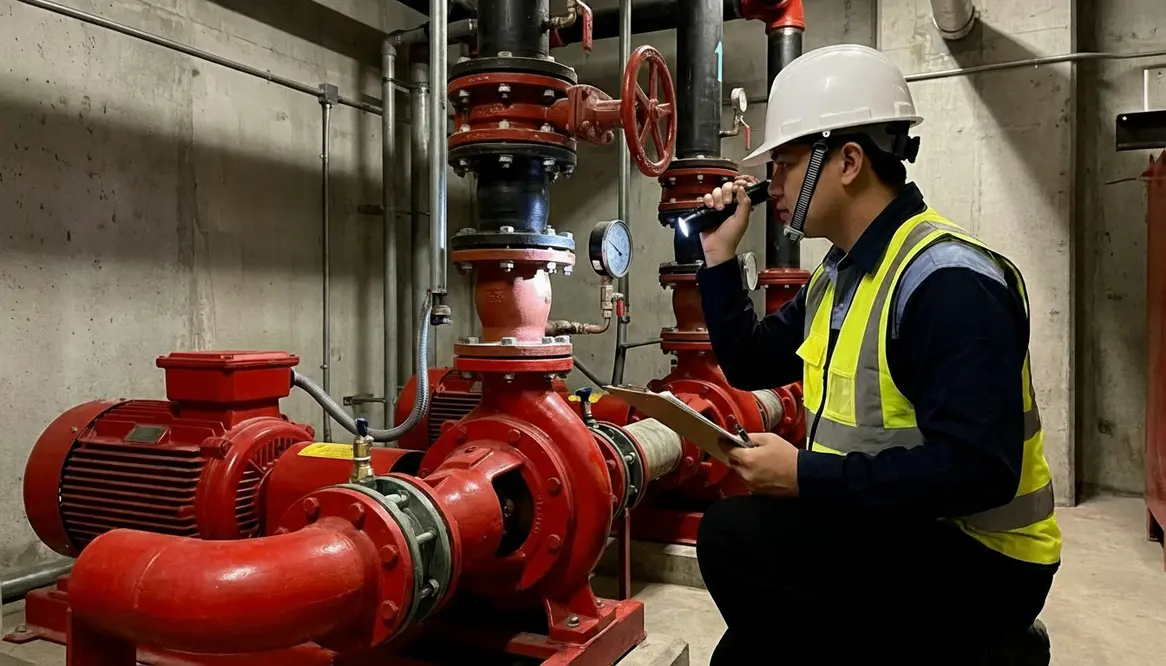
I like to think of inspections as the calm before the storm. They are not flashy, but they are essential. When I inspect a fire pump, I am not just checking a box. I am verifying pressure levels, flow rates, controller function, and power reliability. Each of these elements plays a role in keeping a facility protected.
Because commercial and industrial properties rely on continuous uptime, even a small issue can snowball into serious disruption. However, routine inspections catch worn components, electrical faults, or water supply issues early. As a result, I can fix problems before they evolve into costly shutdowns.
And yes, it may feel repetitive at times. But like watching your favorite movie for the tenth time, you notice details you missed before. That is where the real value lives. The quiet fire pump inspection benefits you bank ahead of time are what carry you through the stressful moments later.
At-a-Glance Risk Reduction
- Early detection of mechanical and electrical issues
- Improved reliability of emergency response systems
- Better alignment with NFPA and local code requirements
- Fewer surprises during fire marshal inspections or insurance reviews
In short, the most important fire pump inspection benefits often show up as the bad days that never happen.
How Fire Pump Inspection Benefits Reduce Risk and Downtime
Let me be direct. The fire pump inspection benefits are not theoretical. They show up in real numbers, real savings, and real peace of mind. When systems are tested regularly, failure rates drop. Response times improve. Compliance stays intact.
More importantly, inspections reduce unplanned downtime. In large facilities, downtime is not just inconvenient. It is expensive. Production halts. Tenants complain. Safety risks rise. However, when I stay ahead of maintenance, I keep systems running smoothly.
Think of it like maintaining a high performance car. You would not skip oil changes and expect it to win a race. The same logic applies here. A well inspected fire pump is ready when it matters most, and those ongoing fire pump inspection benefits quietly stack up in the background.
Risk & Cost Snapshot
- Lower chance of catastrophic pump failure during an emergency
- Reduced exposure to compliance penalties or insurance issues
- Fewer last minute shutdowns for emergency repairs
- More predictable budgeting for maintenance and replacements
Real-World Impact
In high value facilities, a single day of downtime can cost more than years of routine inspections. That is the kind of math that keeps me committed to extracting every possible one of the fire pump inspection benefits available.
If you want a deeper look at how design and standards support performance, resources like NFPA 20 fire pump system guidance show just how much thought goes into keeping these systems reliable.
What Do I Actually Check During a Fire Pump Inspection?
Great question. And I will answer it straight away. I focus on performance, reliability, and compliance.
Mechanical Checks
- Pressure and flow performance
- Valve operation and alignment
- Leaks or unusual vibration
Electrical & Control Systems
- Controller functionality
- Power supply integrity
- Alarm and signal testing
Additionally, I review historical performance data. This helps me spot trends before they become problems. It is a bit like reading the early chapters of a mystery novel. The clues are always there if you know where to look, and those clues are where some of the most valuable fire pump inspection benefits tend to hide.
Where Do Most Facilities Go Wrong with Fire Pump Maintenance
I have seen this story play out more times than I can count. A facility installs a fire pump, runs initial tests, and then slowly shifts attention elsewhere. After all, if nothing looks broken, why fix it, right
That mindset is where trouble begins. Fire pumps are not decorative equipment. They are active safety systems. Without regular inspection, small issues hide in plain sight. Corrosion builds. Sensors drift. Batteries weaken.
Meanwhile, compliance requirements do not take a vacation. Missing inspections can lead to failed audits or penalties. Worse, it can leave a building vulnerable when it matters most.
So yes, skipping inspections might save time today. But it almost always costs more tomorrow. And not in a fun plot twist kind of way. The smart move is to stay plugged into the fire pump inspection benefits that come from routine checks instead of rolling the dice.
How I Use Inspection Data to Prevent Bigger Problems
Data is my favorite co pilot. Every inspection generates valuable information about system performance. Over time, patterns emerge. Maybe a pump takes slightly longer to reach pressure. Maybe voltage fluctuates under load.
Individually, these changes seem minor. However, together they tell a story. By acting early, I prevent failures before they disrupt operations. This approach turns inspections from routine tasks into strategic tools.
It also helps with planning. Instead of reacting to emergencies, I can schedule maintenance during low impact periods. That alone can save a facility from significant downtime.
And let us be honest. Planned maintenance is far less stressful than emergency repairs at three in the morning. When you look at the full picture, the fire pump inspection benefits are not just technical; they are human. They protect schedules, sleep, and sanity.
FAQ Quick Answers for Fire Pump Inspections
Sometimes the fastest way to understand the value of inspections is to walk through the most common questions.
Keep Your Systems Ready Before They Are Needed
If there is one thing I have learned, it is this. Fire pumps do not get second chances. When the moment comes, they either perform or they do not. That is why I rely on consistent inspections to keep everything in peak condition. If you manage a commercial or industrial facility, now is the time to act.
Schedule inspections, review your system, and stay ahead of risk. The fire pump inspection benefits you build up over months and years are your best defense when alarms sound and pressure gauges jump.
Because in this line of work, preparation is not optional. It is everything.