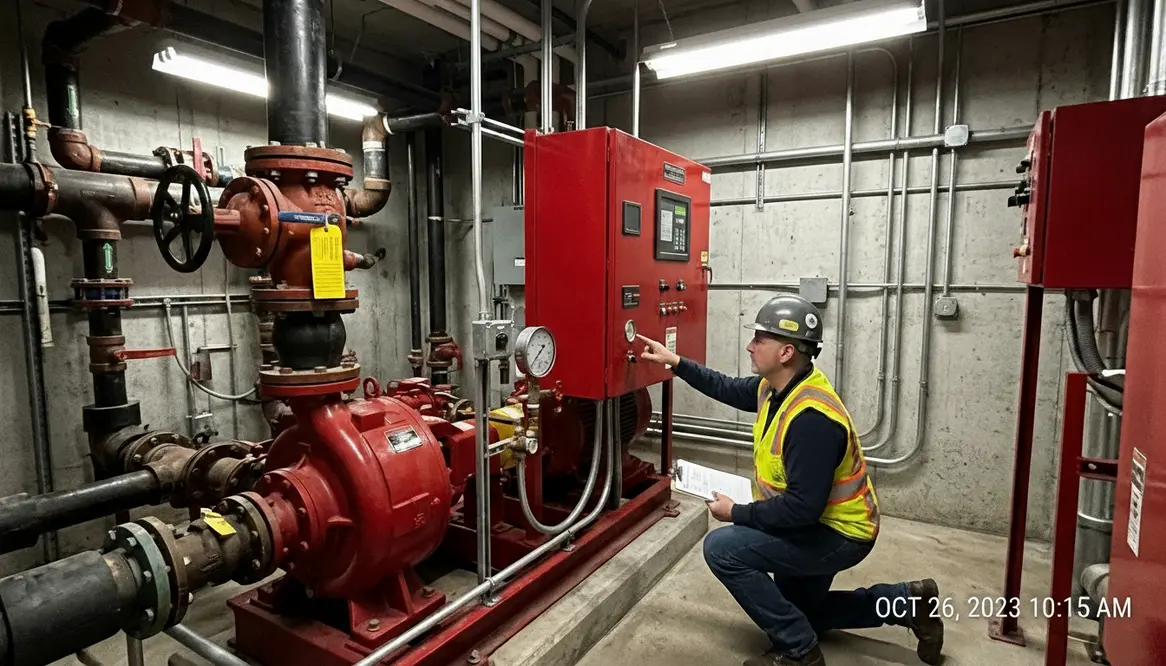
Fire Pump Inspection Prep in New Jersey Compliance
Turning rigorous New Jersey fire codes into a calm, repeatable process that keeps your building compliant, your documentation clean, and your fire pump ready when it actually matters.
I have seen a lot of buildings in my time. Some stand tall and proud. Others… well, they rely on quiet systems hidden behind concrete walls to keep them standing at all. That is where fire pump inspection prep comes in. In New Jersey, this is not just a checklist you rush through before a clipboard shows up. It is a disciplined process shaped by strict fire codes that leave very little room for guesswork. And honestly, that is a good thing. Because when water needs to move, it needs to move now, not after a polite negotiation.
New Jersey Focus: Why Prep Matters
New Jersey’s enforcement style rewards consistent, honest preparation and punishes shortcuts. If your fire pump inspection prep is solid, inspections feel routine. If it is not, every knock at the door feels like an audit.
How New Jersey Fire Codes Shape Commercial Fire Pump Systems
New Jersey does not play around with fire protection. The state adopts and enforces codes based on NFPA standards, especially NFPA 20 and NFPA 25. However, it adds its own expectations, and those can catch building owners off guard.
Beyond Installation: A Living System
Because of this, I always tell facility managers that compliance is not just about installing a system. It is about maintaining it with intention. Fire codes dictate how pumps must perform, how often they must be tested, and how quickly issues must be fixed. Therefore, your preparation for inspections becomes part of your daily operational mindset.
Inspectors Notice Everything
And yes, inspectors in New Jersey have a reputation. Let us just say they notice things. Everything. Probably things you did not even know had names.
What Do New Jersey Inspectors Actually Look For In Fire Pump Systems?
They look for reliability. Plain and simple. However, that reliability is measured through very specific checkpoints.
Performance & Hardware
First, they review performance data. Your fire pump must meet flow and pressure requirements without hesitation. Next, they examine physical components such as controllers, valves, and relief systems. If something looks worn, misaligned, or creatively repaired with what I like to call “maintenance optimism,” it will not pass.
Paperwork & Proof
Additionally, documentation matters just as much as hardware. Logs must be complete, accurate, and recent. If your records look like they were filled out five minutes before the inspector arrived, well, that story rarely ends well.
So while the system itself does the heavy lifting, your fire pump inspection prep ensures the story you tell on paper matches reality.
If you want an example of what “inspection-ready” documentation looks like in practice, review how detailed professional fire pump service providers handle testing and reporting on pages like Kord Fire’s fire pump service overview. The level of clarity they maintain is very close to what New Jersey inspectors expect to see on site.
Fire Pump Inspection Prep For Large Facilities In New Jersey
When I walk into a large commercial or industrial property, I can usually tell within minutes how seriously they take compliance. Preparation leaves clues.
Rhythm, Routine, And Real Awareness
Strong preparation starts with routine testing. Weekly churn tests, monthly inspections, and annual flow tests are not optional. They are the rhythm that keeps your system honest. Moreover, trained personnel must understand what normal looks like so they can spot what is not.
Cross-Department Coordination
Equally important, coordination across departments matters. Maintenance teams, safety officers, and property managers need to stay aligned. Otherwise, small issues slip through the cracks and grow into expensive surprises.
And here is the truth. Fire codes are not trying to make your life harder. They are trying to make sure your building does not become the opening scene of a disaster movie.
Common Compliance Gaps That Trigger Violations
I have seen patterns over the years. Certain issues show up again and again, like reruns nobody asked for.
Typical Trouble Spots
- Incomplete testing records that fail to show consistent performance
- Controller issues including outdated settings or power supply concerns
- Valve positioning errors that restrict water flow
- Delayed repairs that linger far longer than codes allow
However, the biggest issue is often mindset. Some facilities treat inspections as events instead of ongoing responsibilities. That approach rarely survives a New Jersey inspection cycle.
What Works
- Consistent testing schedules
- Clear documentation practices
- Proactive repairs
- Staff training and awareness
What Fails
- Last minute fixes
- Missing inspection logs
- Ignoring minor issues
- Untrained personnel handling checks
Why Fire Pump Inspection Prep Reduces Risk And Cost
Let me put it simply. Preparation saves money. It also saves time, stress, and reputations.
Avoiding Emergencies You Could Have Seen Coming
Because when your system is consistently maintained, you avoid emergency repairs. You avoid failed inspections. And you avoid the kind of downtime that makes executives suddenly very interested in your department.
Longer Life, Better Performance
Additionally, strong preparation extends the life of your equipment. Pumps that are tested and serviced regularly do not just perform better. They last longer. That alone makes the effort worthwhile.
And if I may add a small dose of reality, water damage from a malfunctioning system is not a great look. It is like inviting chaos in and offering it coffee. Thorough fire pump inspection prep is the part where you quietly lock the door before chaos gets inside.
FAQ About New Jersey Fire Pump Compliance
Before the inspector walks in, it helps to have the usual questions already answered. Think of this as a quick-reference layer to your overall fire pump inspection prep.
Conclusion
If you manage a commercial or industrial property in New Jersey, the path is clear. Take fire pump inspection prep seriously, stay aligned with state codes, and treat maintenance as a constant priority. When you do, inspections become routine instead of stressful. More importantly, your building stays protected when it matters most. If you are ready to tighten your process and avoid costly surprises, now is the time to act and bring your system up to standard.