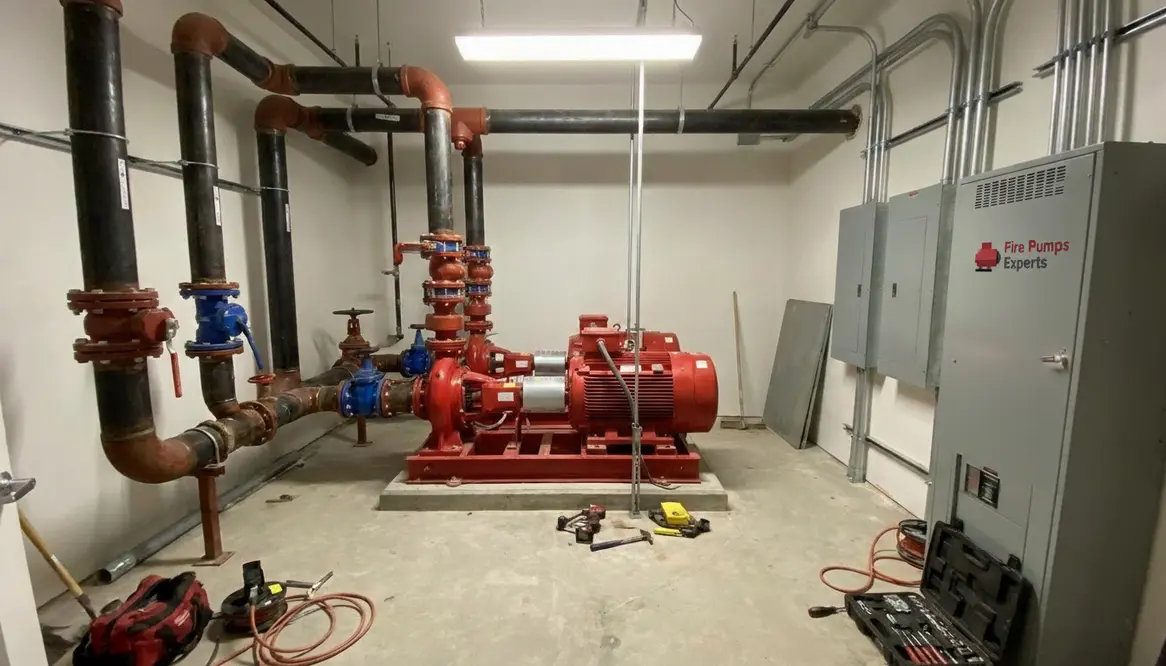
Fire Pump Installation Cost Factors Guide
Fire Pump Installation Cost Factors Explained
When I talk about fire pump installation cost factors, I am really talking about the moving parts behind a serious life safety system. For commercial and industrial buildings, the price is not one neat number. It shifts with system size, water demand, building layout, code needs, and equipment grade. In plain terms, the cost depends on how much muscle the building needs and how hard the install team has to work to place it. That is the short version. The long version is where the real money lives, and that is exactly what I will walk through here.
What Drives the Price of a Fire Pump System?
First, I look at the building itself. A large warehouse, hospital, data center, or high rise property usually needs more than a basic setup. The pump must match the water flow and pressure demand, and that alone can move the budget fast. Also, local fire code and insurance rules may require extra parts, testing, or backup support. So, when people ask me why one project costs less than another, I tell them the building size is only the opening scene. The plot thickens with water supply limits, pump type, and how much engineering the site needs.
Core Fire Pump Installation Cost Factors
For commercial sites, fire pump installation cost factors stack up quickly: the facility’s water demand, the pump style, utility upgrades, and how “friendly” the building is to contractors all play a major role. A high demand campus with tight access, old infrastructure, and strict insurance requirements can cost far more than a clean, modern shell with space ready for a pump room.
Fire Pump Installation Cost Factors for Commercial Sites
Here is where the details start to count. I usually break the fire pump installation cost factors into a few main buckets so owners can see where the budget actually goes instead of staring at one big, mysterious line item.
Equipment Cost
The pump itself can vary a lot. Electric, diesel, and split case units each carry different price points. Electric systems often cost less to run, while diesel units may cost more up front because they need fuel, exhaust, and extra controls. In other words, the pump is not just a box with a heroic job title. It is the heart of the system, and hearts are rarely cheap.
Room and Layout Needs
Some properties already have a pump room that fits the design. Others need new space, wall changes, or utility reroutes. That adds labor and material cost. I have seen a simple install turn into a mini construction project because the room was about as helpful as a locked closet in a fire drill.
Water Source and Piping
If the water supply sits far from the pump or if the piping must cross a large plant floor, cost climbs. Long pipe runs, fittings, valves, and backflow parts all add up. Also, older buildings may need pipe upgrades to handle the new load.
Electrical or Fuel Work
Electric pumps need proper power, wiring, and controls. Diesel pumps need fuel systems, venting, and sometimes spill control. Both paths affect the final number, and both demand skilled work.
Design and Permits
Engineering drawings, permit filing, and plan review can take time and money. However, this is not fluff. It protects the building from a costly install mistake later, and it keeps fire pump installation cost factors from ballooning during construction when changes are most painful.
Quick Cost Comparison for Common Project Parts
To keep the moving pieces straight, I like to translate the main fire pump installation cost factors into a simple reference. Different components shift the total cost for very specific reasons.
Component
Pump type
Building size
Site access
Utility upgrades
Testing and inspection
Why It Changes Cost
Electric, diesel, and horizontal split case units vary in price and support needs.
Larger properties need stronger flow and more pipe work, which hits both material and labor budgets.
Hard access raises labor time, equipment use, and sometimes the need for off-hours work.
Power, fuel, and water changes can add scope, from new feeders to upgraded mains.
Required checks protect compliance and performance and keep the system insurable.
Why Labor and Code Work Matter So Much
Labor is not just “someone bolting things down.” I need trained fire protection pros, often with electricians, pipefitters, and inspectors all playing their part. Then comes code compliance, which can feel a bit like trying to please both Batman and the city council. Necessary? Absolutely. Easy? Not always.
Testing also matters. A fire pump has to prove it can start, run, and deliver the right pressure under real conditions. If a project needs flow tests, acceptance testing, or witness testing, that means more labor time and more planning. Moreover, if the site has old infrastructure, I may need repairs before I can even get to final testing. That adds both cost and schedule pressure.
How to Estimate a Real Project Budget
If I want a solid budget, I start with the facility type, water demand, and pump size. Then I review the site conditions. After that, I look at the utility work, permits, and testing path. That sequence keeps me from guessing. And guessing with fire protection costs is a little like using a Magic 8 Ball to plan a building’s safety strategy. Fun for a movie prop, not great for payroll.
I also tell owners to ask for a full scope breakdown. That way, they can see what part of the quote covers equipment, what part covers labor, and what part covers compliance. In addition, they should plan for hidden items like demolition, structural support, or shutdown coordination. These small pieces often create the biggest surprise.
When all these layers are visible, fire pump installation cost factors stop being a black box and start looking like a clear checklist. That clarity is what helps owners compare proposals honestly instead of just chasing the lowest number.
FAQ
Below are answers to common questions that come up whenever someone starts digging into fire pump installation cost factors for their facility.
Final Thoughts and Next Step
When I break down fire pump installation cost factors, I see one clear truth: the right system protects a major property, but the right plan protects the budget too. If you manage a commercial or industrial facility, I suggest getting a detailed site review before you commit to a number. That way, you can avoid surprise costs, meet code with confidence, and build a safer property. Reach out, compare the full scope, and move forward with clear eyes and a steady plan.