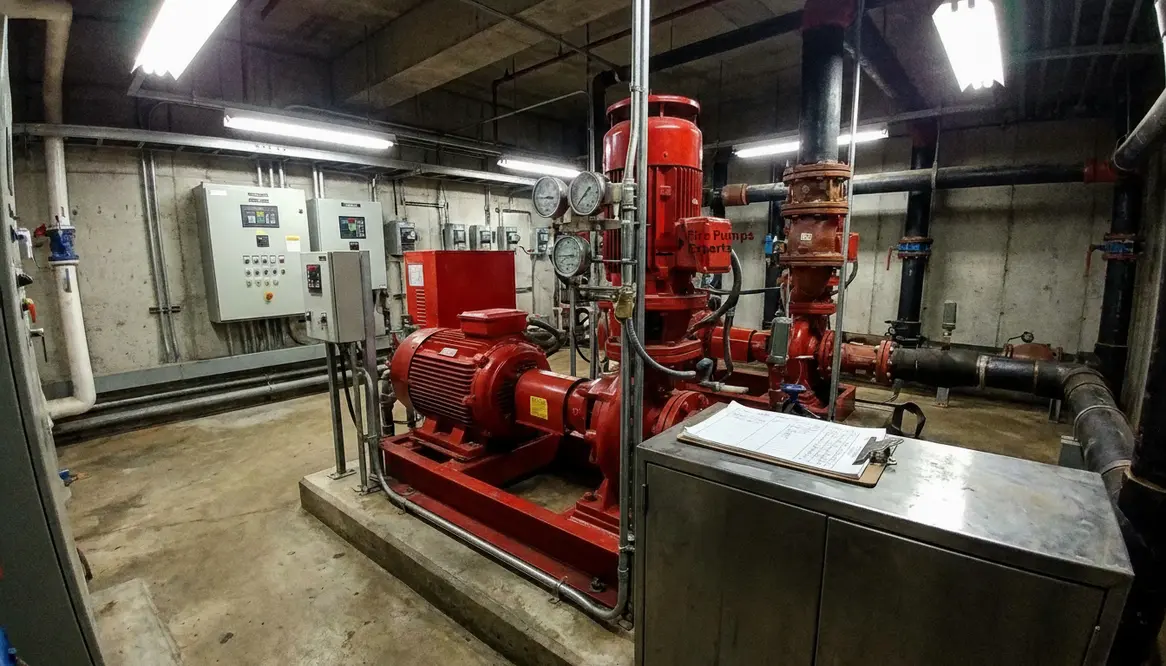
Fire Pump Maintenance Guide for Commercial and Industrial Buildings
I treat fire pump maintenance like the quiet hero in the back room. It rarely gets applause, yet when the pressure drops and the system wakes up, it has one job: protect people, property, and business continuity. For commercial and industrial facilities, that job is not optional. A weak pump can turn a small incident into a very expensive headline, and nobody wants that kind of surprise at 2 a.m. So, in this guide, I will walk you through what matters, what to check, and how to keep your fire pump ready without turning your maintenance plan into a mystery novel.
For facilities with large buildings, heavy equipment, or complex systems, this work must stay regular, documented, and serious. Still, it does not need to feel dry. I will keep it clear, practical, and just a little lively, because even life safety deserves a decent read.
Why Fire Pump Checks Matter for Large Facilities
I always start with the same truth: a fire pump only helps if it works when needed. That sounds obvious, yet many sites learn the hard way that “it looked fine last month” is not a maintenance plan. In big properties, water demand can spike fast, and sprinkler systems depend on stable pressure. If the pump misses the mark, the whole system can fall behind.
Regular checks help me catch leaks, vibration, overheating, bad suction, low fuel, worn bearings, and control issues before they turn into major failures. Also, routine care supports code compliance, insurance expectations, and smoother inspections. In other words, it keeps the building safer and the paperwork less dramatic. That alone is worth the effort.
What I Inspect During a Routine Visit
When I perform fire pump care, I focus on the parts that tell the real story. I do not rely on the “it sounds fine” school of maintenance. Machines have a way of being polite right up until they stop.
- Power source: I check the electric supply or diesel fuel system, plus alarms and transfer controls.
- Suction and discharge: I look for pressure loss, valve issues, and anything blocking flow.
- Pump casing and seals: I inspect for leaks, wear, rust, and loose fittings.
- Controller panel: I confirm settings, indicators, and alarm signals.
- Jockey pump: I make sure it holds pressure and does not cycle too often.
- Test readings: I review pressure, run time, vibration, and temperature.
These checks give me a clean picture of pump health. Furthermore, they help spot trends before failure shows up wearing a fake mustache and pretending everything is fine.
Fire Pump Maintenance Schedule I Follow
I use a steady schedule because fire protection equipment hates chaos almost as much as people do. Daily, weekly, monthly, and annual tasks each have a role. Daily checks often cover basic status lights, room condition, and signs of trouble. Weekly tests usually include an automatic start check and a short run test. Monthly tasks go deeper, especially for diesel units, where fuel, oil, coolant, and batteries need close attention.
Then comes the yearly inspection. This one matters a great deal. I look at full flow performance, controller function, alarms, alignment, and condition of all key parts. If the pump does not meet expected output, I treat that as a serious issue, not a minor mood swing. For commercial and industrial sites, I also make sure all findings go into a log. Clear records make future work faster and far more reliable.
How I Test Pump Performance Without Guesswork
| What I test | Why it matters |
|---|---|
| Flow and pressure | Shows whether the pump can meet system demand |
| Start and stop response | Confirms the controller reacts the way it should |
| Vibration and noise | Helps find wear, misalignment, or bearing trouble |
| Fuel and battery condition | Keeps backup systems ready during an outage |
| Valve position | Prevents hidden flow problems |
I like test data because it cuts through guesswork. If readings drift, I can act early. If they stay steady, I know the system remains in good shape. Either way, numbers tell a better story than hope ever will.
Fire pump maintenance that stays practical
Good fire pump maintenance is not a set of random tasks. It is a loop: inspect, test, compare, document, and fix. When that loop becomes routine, the system becomes predictable. And predictable equipment is a huge win for facility teams trying to keep operations steady.
When I Call for Repair Instead of Waiting
Some warning signs demand quick action. If the pump struggles to start, loses pressure, overheats, shakes, or leaks, I do not wait for the next visit. I also move fast if the controller shows alarms, the diesel engine has fuel trouble, or the electric supply acts unstable. In fire protection, delay can cost more than the repair itself.
This is also where a trusted service partner helps. I like working with specialists who understand commercial and industrial systems and major property buildings. For a deeper look at service support, I recommend reviewing the fire pump service team at Kord Fire. If you need local support, the los angeles fire pump support page is also a useful reference. Good service does not just fix problems. It prevents repeat headaches, which is the kind of peace most facility teams can appreciate.
Fire pump maintenance is accountability, not guesswork
When repairs happen quickly and documentation stays accurate, future fire pump maintenance gets easier. You know what has been addressed, what is trending, and what should be watched next. It turns inspections into decisions instead of debates. And it keeps the system ready when real demand shows up, not when a calendar politely reminds someone to act.
FAQ
Quick answers for the questions that show up right before inspection season, right after a weird alarm, and right before someone says, “It should be fine, right?”
Conclusion
If I want a fire pump to protect a major property, I treat care as a routine, not a reaction. I check it, test it, log it, and fix issues before they grow teeth. That is how I keep systems ready for real emergencies and keep operations on track. If your facility needs a stronger plan, now is the time to act. Review your program, tighten your schedule, and bring in expert support before the next alarm tests your luck. Consistent fire pump maintenance is what turns “should work” into “will work.”