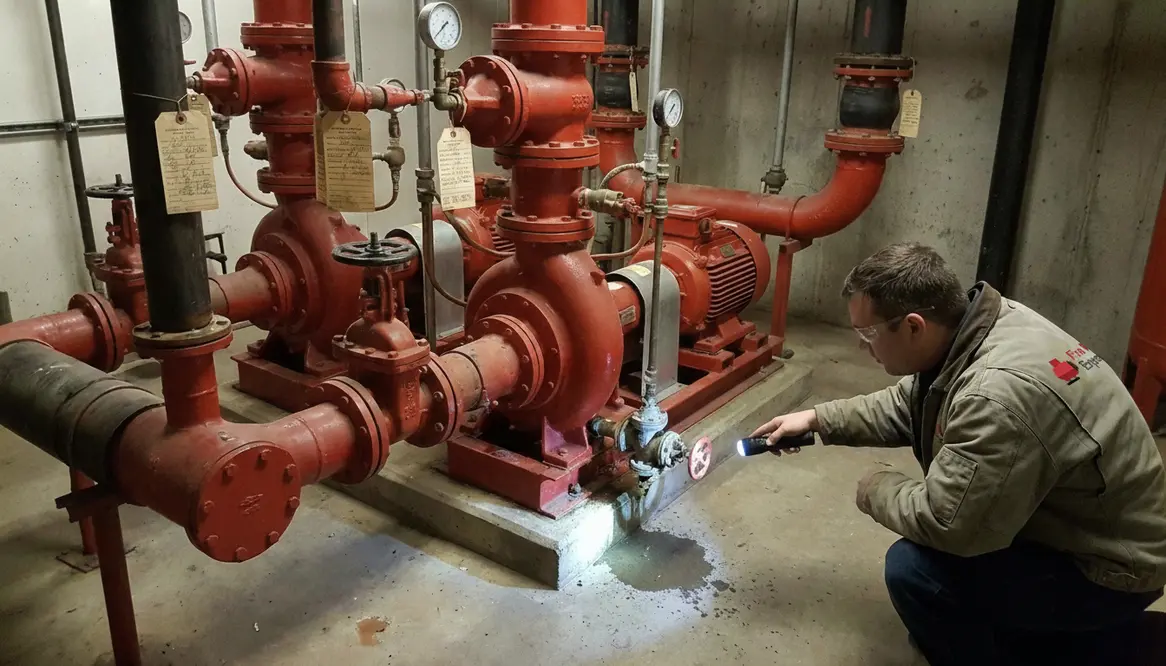
Fire Pump Testing Problems in Commercial Buildings
When I talk about fire pump testing problems, I am talking about the small failures that can turn a routine test into a slow headache for a commercial or industrial property. One valve sticks. One gauge lies. One technician hears a strange rumble and suddenly the whole room feels like the opening scene of a disaster movie. I have seen it happen, and the good news is this: most testing issues show up for a reason, and most of them can be fixed before they become a bigger problem. For major buildings, factories, warehouses, and other large sites, that matters a great deal.
In this guide, I will walk through the most common issues, what they mean, and how I handle them with a calm, practical eye. No fluff, no smoke and mirrors, just the kind of clear advice that keeps a fire pump ready when it counts.
Why fire pump testing fails in commercial buildings
Fire pump testing can fail for a few plain reasons. First, the pump may not be sized well for the site. Next, the water supply may not deliver the pressure or flow the system needs. Also, old parts can wear down in ways that hide until test day. That is when the truth walks in wearing steel boots.
I also see human issues. Someone may skip a step, read a gauge wrong, or miss a small leak. In a busy plant or high rise, that kind of mistake can spread fast. Therefore, I always check the full setup before I blame the pump itself. The system often tells a story if I take time to listen.
Common fire pump testing problems I see most often
Below is a simple dual column view of the issues I run into most often and what they usually point to.
Problem
Low pressure
Low flow
Excess vibration
Slow start
Leaks during test
What it usually means
Weak water supply, worn pump parts, or valve trouble
Blocked piping, pump wear, or poor suction conditions
Misalignment, bad bearings, or cavitation
Electrical issues, control panel faults, or weak batteries
Bad seals, loose fittings, or corrosion
Low pressure gets attention fast because it affects performance right away. However, low flow can be just as serious, even when the pressure looks fine on paper. I have learned that paper loves to lie politely. The system, on the other hand, is less diplomatic.
How I spot pump pressure and flow issues fast
When I test a pump, I watch pressure first, then flow, then the pattern behind both. If pressure drops too far, I check suction conditions, discharge valves, and the condition of the pump casing. If flow comes in weak, I look for clogs, air in the line, or a bad water source. Meanwhile, if both pressure and flow drift over time, I start thinking about wear across the whole system.
One warning sign I never ignore is a pump that performs fine at first, then fades as the test continues. That often points to cavitation, suction trouble, or a heat issue. In plain terms, the pump starts strong, then begins to complain like an actor in season five of a canceled drama.
What vibration, noise, and leaks tell me
Noise and vibration are not just annoying. They are clues. A pump that shakes too much may have alignment problems, bad bearings, or loose mounts. Also, a grinding sound can point to internal wear. If I hear that during a test, I do not shrug and carry on like nothing happened. I stop and inspect.
Leaks matter for the same reason. A small drip can mean a bad seal, a loose connection, or corrosion inside the piping. Over time, that kind of issue can grow into a bigger fault. For commercial and industrial facilities, I treat every leak as a message. The pump is speaking, and I prefer to hear it before it starts shouting.
How I reduce repeat fire pump testing problems
I do not rely on testing alone. I pair testing with regular checks, clear records, and a steady maintenance plan. First, I keep the pump room clean and easy to access. Next, I confirm that valves stay in the right position and that gauges read the same way each time. Then, I review trends from past tests so I can spot small changes early.
I also compare current results with the site history. If a large property in Los Angeles starts losing pressure each quarter, I want to know why now, not six months from now. That is why many facility teams look at trusted resources such as fire pump testing support from Kord Fire when they need a clear reference point for system care. And for local service details, I also recommend reviewing Los Angeles fire pump service information when planning work for a commercial site.
FAQ
Conclusion
Fire pump testing problems do not appear out of nowhere. They build quietly, then show up when the system must perform. So I stay ahead of them with regular testing, good records, and quick action when results change. If you manage a commercial or industrial property, now is the time to review your pump performance, inspect weak points, and fix small issues before they grow teeth. Your building depends on it, and frankly, so does your peace of mind.