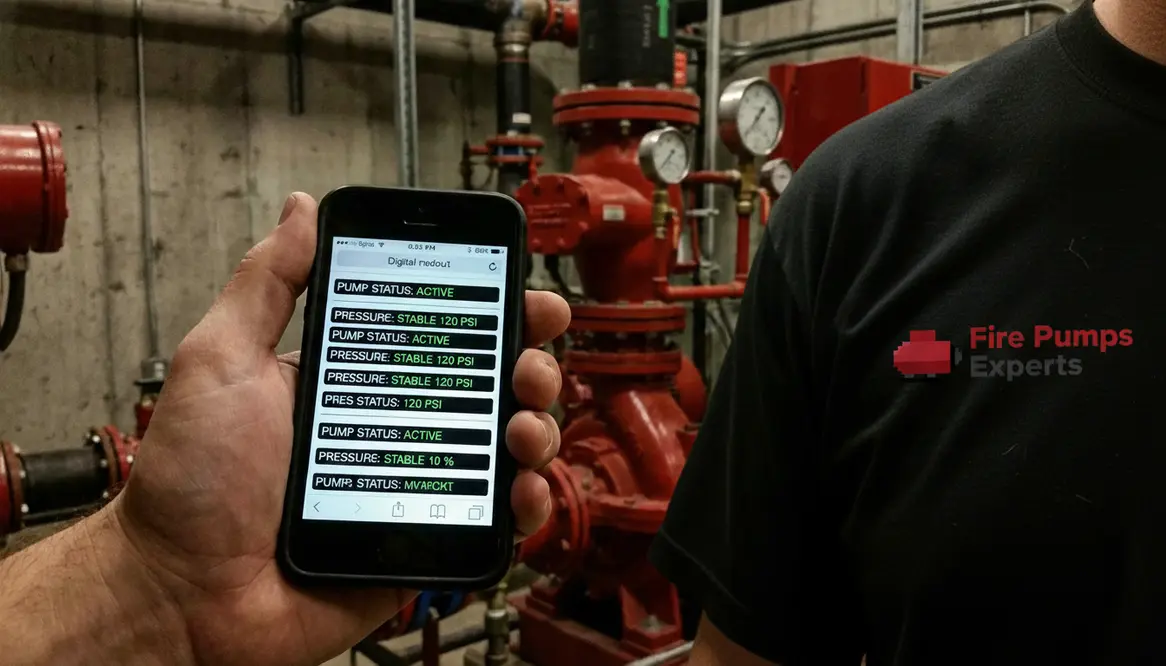
Fire Pump Monitoring Australia for Compliance and Uptime
I have spent enough time around critical infrastructure to know one thing for certain. When a fire pump fails, it does not send a polite warning email first. It simply refuses to perform when everything is on the line. That is why fire pump monitoring Australia has become less of a luxury and more of a necessity across commercial towers, industrial plants, and major facilities. In a country where compliance, safety, and uptime carry serious weight, I see monitoring not just as a technical upgrade, but as quiet insurance that works around the clock.
Why Fire Pump Monitoring Matters More Than Ever
I often tell facility managers that a fire pump is like a bodyguard. You may not notice it daily, but when trouble arrives, you expect flawless performance. However, unlike a bodyguard in a movie, your fire pump cannot improvise.
Because of this, real time tracking plays a vital role. It allows me to detect pressure drops, irregular starts, or power issues before they turn into system failure. Furthermore, Australian compliance standards demand consistent readiness, and manual inspections alone simply cannot keep pace.
So while paperwork may look impressive in a binder, live data tells the real story. And honestly, data does not lie, even if we sometimes wish it would.
How Does Fire Pump Monitoring Australia Improve Compliance?
In simple terms, it removes guesswork. I can instantly access performance logs, fault alerts, and maintenance records without digging through folders or chasing contractors.
Moreover, automated reporting ensures I meet regulatory requirements without scrambling before inspections. This is especially useful in large commercial properties where multiple systems operate at once.
Additionally, monitoring systems create a digital trail. If something goes wrong, I can trace exactly when and where the issue began. That level of clarity is not just helpful. It is essential.
What I Track Daily to Keep Systems Reliable
When I review a system, I focus on a few critical metrics. Each one tells part of the story, and together they reveal the full picture.
Core Performance Indicators
- Pressure consistency across operation cycles
- Start and stop frequency
- Flow rate stability
- Power supply reliability
Early Warning Signals
- Unusual vibration patterns
- Temperature fluctuations
- Delayed activation times
- Alarm trigger frequency
Now, while that may sound technical, I view it like reading a heartbeat. When something feels off, I investigate early. Because waiting for a failure is like ignoring a check engine light and hoping your car suddenly develops optimism.
Fire Pump Monitoring Australia in Large Facilities
In high rise buildings and industrial complexes, scale changes everything. I cannot rely on occasional walkthroughs when systems span multiple floors or zones.
Instead, centralized monitoring gives me visibility across the entire operation. I can track multiple pumps, compare performance trends, and prioritize maintenance where it matters most. As a result, I reduce downtime and avoid costly disruptions.
Equally important, integration with building management systems allows me to respond faster. When an alert triggers, I act immediately rather than discovering the issue hours later.
It is a bit like having an always awake digital assistant in the control room, except without the need for coffee.
Turning Data Into Actionable Decisions
Collecting data is easy. Using it effectively is where I see the real difference.
For instance, when I notice gradual pressure decline over weeks, I schedule targeted maintenance instead of waiting for failure. Likewise, if a pump cycles too often, I investigate system demand or control issues.
Because of this approach, I shift from reactive fixes to proactive planning. That not only extends equipment life but also reduces long term costs.
And let me be clear. In commercial environments, unexpected downtime is never just inconvenient. It is expensive, disruptive, and occasionally headline worthy for all the wrong reasons.
Common Challenges I See and How Monitoring Solves Them
Even the best facilities face recurring issues. However, monitoring helps me tackle them with precision.
- Hidden faults become visible through continuous tracking
- Delayed maintenance turns into scheduled, data driven action
- Compliance gaps close through automated reporting
- Human error reduces with system alerts and diagnostics
Still, I remind clients that technology is not magic. It is a tool. And like any tool, it works best when used consistently and intelligently.
Where Fire Pump Monitoring Australia Fits Into Modern Risk Management
In modern risk frameworks, I see fire pump monitoring Australia as part of a layered defense strategy. It sits alongside passive fire systems, evacuation planning, and staff training, but focuses specifically on making sure the heart of the suppression system is always ready to run.
By pulling performance data, maintenance history, and alarm trends into one place, I can brief stakeholders with confidence rather than speculation. That clarity matters when insurers, auditors, or executive teams ask the simple question: “If something happens today, are we actually ready?”
Practical Steps for Getting Started
For teams exploring fire pump monitoring Australia for the first time, I usually suggest a staged approach rather than an overnight overhaul.
- Start with a criticality review of each pump and the zones it protects
- Audit existing sensors, panels, and communication paths
- Define alert thresholds that match your risk appetite and staffing levels
- Integrate monitoring with your building or site management platform
- Train on response procedures so alerts trigger action, not confusion
That sequence keeps the project grounded in outcomes rather than gadgets. The goal is simple: better decisions, faster, with fewer surprises when conditions are at their worst.
FAQ: Fire Pump Monitoring in Commercial and Industrial Settings
Below are some of the most common questions I hear when teams start exploring digital oversight for their fire pumps.
Conclusion
When I look at modern facility management, I see a clear shift. We are no longer reacting to problems. We are predicting them. With the right monitoring in place, your fire pump system becomes smarter, more reliable, and always ready. If you manage a commercial or industrial property, now is the time to step forward. Invest in visibility, take control of performance, and ensure your systems stand ready when it matters most.