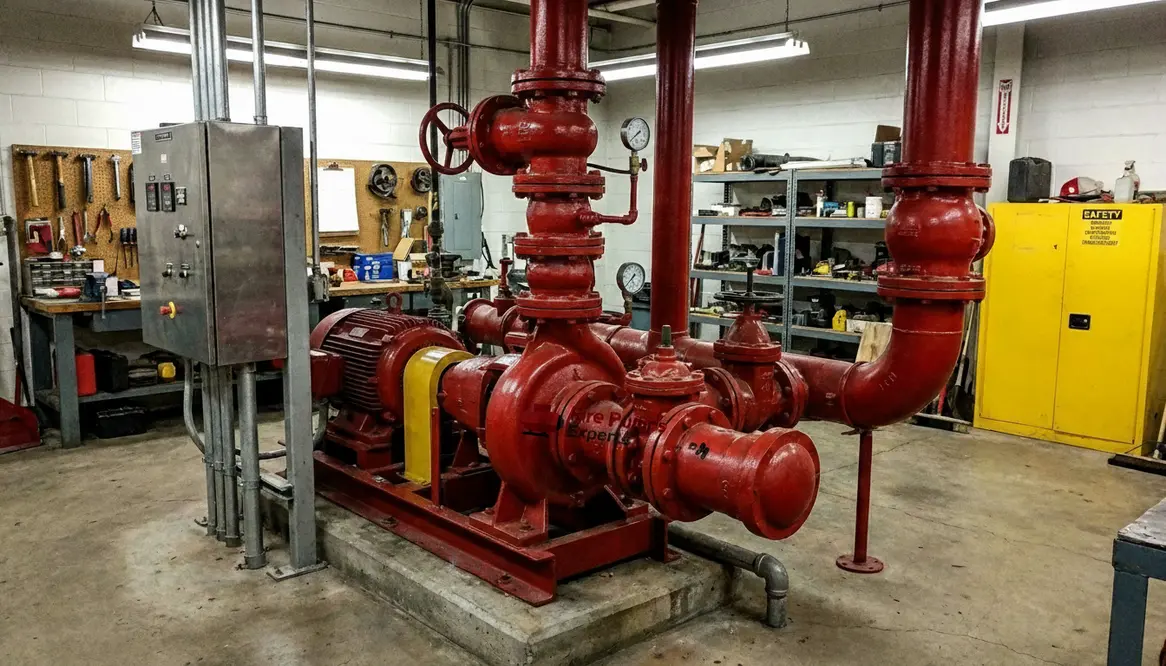
Fire Pump Needs for Industrial Service Buildings
I have spent years walking through maintenance depots that hum like quiet engines of industry, and I can tell you this with calm certainty: when it comes to Fire pump needs for industrial service buildings, there is no room for guesswork. Within the first few moments of planning, the stakes become clear. These facilities store equipment, fuel systems, and high value assets. Consequently, the fire protection system must respond with strength and precision, not hesitation. And yes, much like a good action movie, you want the hero to show up right on time, not halfway through the credits.
Understanding Fire Pump Needs for Industrial Service Buildings
When I evaluate a maintenance depot, I begin with purpose. Fire pumps are not decorative machinery. Instead, they serve as the beating heart of a fire protection system. They ensure that water reaches every corner at the right pressure, even when municipal supply falls short.
Moreover, industrial service buildings often demand higher flow rates due to open layouts, tall ceilings, and stored materials. Therefore, I always look at:
- Required flow and pressure based on hazard classification
- Water supply reliability and backup options
- System compatibility with sprinklers and standpipes
In addition, I remind clients that skipping proper sizing is like casting the wrong actor as your lead. It might look fine at first, but when the pressure rises, things fall apart quickly.
What Makes Maintenance Depots Different from Standard Facilities
Now, let us address the elephant in the room. Maintenance depots are not your average office building. They carry unique risks, and as a result, their fire pump requirements reflect that reality.
First, these facilities often house flammable liquids, heavy machinery, and electrical systems. Consequently, fire load increases. Second, large open bays demand consistent water distribution. Therefore, pressure drops can become a real problem if not addressed early.
Additionally, I often see variable occupancy patterns. One moment the space is quiet, and the next it is buzzing with activity. Because of this, systems must remain reliable under changing conditions. Think of it like a seasoned stage actor who performs flawlessly whether the audience is full or half asleep.
This is where understanding Fire pump needs for industrial service buildings really pays off. Matching system performance to these shifting risks turns a vulnerable space into a controlled, protected environment.
How Do I Size a Fire Pump for a Maintenance Depot?
I hear this question often, and the answer is refreshingly straightforward. I start with hazard classification and system demand. Then, I calculate the required gallons per minute and pressure.
However, sizing is not just math. It is judgment. I consider pipe layout, elevation changes, and future expansion. After all, no one wants to install a system that becomes outdated faster than last year’s smartphone.
Furthermore, I always factor in safety margins. While codes provide minimums, real world performance demands a bit more muscle. Therefore, I aim for systems that exceed expectations rather than merely meet them.
When Fire pump needs for industrial service buildings are handled with this kind of foresight, owners gain more than code compliance. They gain resilience, flexibility, and the ability to adapt as operations grow more complex.
Core Components That Define Reliable Performance
When I walk into a pump room, I can tell a lot from a single glance. A well designed system speaks clearly, almost like a well rehearsed orchestra.
Mechanical Strength
I focus on durable pump construction, reliable drivers, and proper alignment. These elements ensure longevity and consistent output.
Control Systems
Equally important, I examine controllers that activate the pump without delay. Automation must be sharp and dependable.
Power Supply
Next, I verify backup power options. Diesel engines or generators often provide the resilience needed during outages.
Testing Access
Finally, I ensure there is room for inspection and testing. Because a system you cannot test is a system you cannot trust.
Together, these components create a system that performs not just in theory, but in practice. When aligned with specific Fire pump needs for industrial service buildings, they transform a collection of parts into a responsive, dependable safeguard.
Installation and Compliance Without the Headaches
Let me be honest. Compliance can feel like reading a very long instruction manual written by someone who really loves details. Nevertheless, it matters.
I follow established standards such as NFPA guidelines, local codes, and insurance requirements. In doing so, I ensure that the system passes inspections and performs when needed.
Additionally, I coordinate closely with engineers and contractors. This collaboration prevents costly mistakes. Because nothing ruins a good day faster than tearing out freshly installed piping.
Moreover, proper installation sets the stage for long term reliability. It is not glamorous work, but then again, neither is brushing your teeth, and we all agree that is a good idea.
For facility managers trying to balance budgets, schedules, and Fire pump needs for industrial service buildings, a rigorous yet practical approach to compliance is the difference between endless corrections and a clean approval.
If you are looking for reference material and tools to plan around these requirements, resources from https://firepumps.org can provide a helpful starting point alongside local codes and standards.
Maintenance Strategies That Keep Systems Ready
Even the best fire pump system needs attention. Therefore, I emphasize routine testing and preventive maintenance.
I schedule weekly churn tests, monthly inspections, and annual flow tests. In addition, I monitor vibration, temperature, and performance trends. These small steps prevent large failures.
Furthermore, I train staff to recognize warning signs. A strange noise or pressure drop should never be ignored. After all, systems rarely fail without leaving clues behind.
Over time, consistent maintenance builds confidence. It ensures that when a fire emergency arises, the system responds like a seasoned professional, not a nervous rookie.
Key Questions on Fire Pump Requirements for Maintenance Depots
Owners and operators of industrial service buildings often raise similar questions as they plan upgrades or new installations. Clarity on these points keeps projects moving and ensures that every pump, pipe, and valve is working in service of a single goal: fast, reliable fire protection when it counts.
Conclusion: Build It Right, Protect It Always
When I look at a maintenance depot, I see more than steel and machinery. I see responsibility. By addressing Fire pump needs for industrial service buildings with care and precision, you protect assets, operations, and lives. If you are planning or upgrading a facility, now is the time to act. Reach out, evaluate your system, and build something that stands ready when it matters most. Because in this story, preparedness is the real hero.