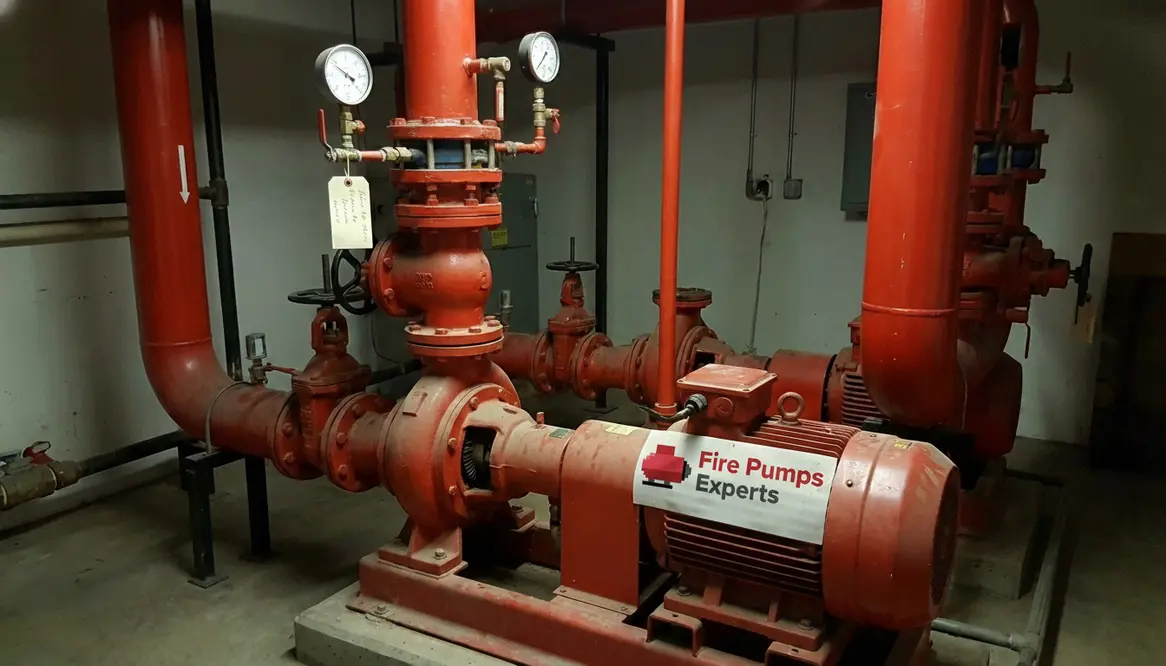
Fire Pump Overheating Causes Signs and Prevention
I have seen it happen more times than I care to admit. A powerful system, built to protect a building worth millions, suddenly runs hot, loud, and unpredictable. That quiet threat is called fire pump overheating, and it rarely announces itself with fireworks. Instead, it creeps in, like a villain in a slow burn thriller, waiting for the worst possible moment to make its move.
So today, I am going to walk you through what causes it, how it develops, and what you can do before your pump decides to audition for a meltdown scene worthy of Hollywood.
What Causes Fire Pump Overheating in Commercial Systems?
Let me get straight to it. Heat builds when something interrupts balance. A fire pump is designed to move water efficiently, and when that flow is restricted or components struggle, temperature rises quickly.
First, inadequate water supply plays a major role. If the pump pulls harder than the supply can support, friction increases, and heat follows. It is like trying to drink a milkshake through a coffee stirrer. Eventually, something gives.
Next, I often find mechanical issues such as worn bearings or misaligned shafts. These create resistance inside the system. Over time, that resistance turns into heat, and suddenly your pump is working twice as hard for half the output.
Additionally, electrical problems cannot be ignored. Voltage imbalances or overloaded motors push the system beyond its comfort zone. And trust me, electric motors do not enjoy stress any more than we do on a Monday morning.
Finally, poor ventilation traps heat around the pump. Without proper airflow, temperatures climb steadily until performance drops or components fail. This is one of the most overlooked contributors to fire pump overheating, especially in cramped mechanical rooms.
When you combine restricted flow, mechanical drag, electrical strain, and trapped heat, you are not just flirting with fire pump overheating, you are practically sending it a written invitation.
Warning Signs I Never Ignore in Overheating Pumps
I like to think of fire pumps as quiet communicators. They rarely shout, but they always whisper before things go wrong.
Unusual noise from the pump room
For instance, unusual noise is often the first clue. Grinding, whining, or rattling sounds usually mean internal friction is increasing. And yes, that is your cue to pay attention.
Vibration that keeps getting worse
Then there is vibration. When a pump starts shaking more than usual, it signals imbalance or internal wear. Left unchecked, that vibration generates heat and accelerates damage, quietly pushing the system toward fire pump overheating.
Temperature spikes and hot casing
Temperature spikes are another clear sign. If the pump casing feels hotter than expected, something is already off track. At that point, you are no longer preventing overheating. You are managing it.
Drop in performance under normal demand
Also, reduced performance tells its own story. When pressure drops or flow becomes inconsistent, the system is struggling, and heat is often part of that struggle. None of these signs should be treated as background noise.
How Poor Maintenance Leads to Fire Pump Overheating
I will say this plainly. Most overheating issues are not sudden. They are earned through neglect.
When routine inspections are skipped, small issues grow quietly. Lubrication dries out, parts wear unevenly, and alignment drifts. Each of these may seem minor alone, but together they create the perfect environment for overheating.
Moreover, clogged strainers or blocked suction lines reduce water flow. That forces the pump to work harder, increasing internal temperature. It is the mechanical version of running a marathon while breathing through a straw.
Regular testing matters just as much. Without scheduled performance checks, inefficiencies go unnoticed until they turn into costly failures.
If you are managing a large facility, I strongly recommend reviewing commercial fire pump system maintenance best practices. It is a solid reference point for keeping systems reliable and compliant, and a useful ally in keeping fire pump overheating from ever becoming your problem.
Inside the System: Where Heat Builds the Fastest
Mechanical components under stress
Mechanical Components take the brunt of friction. Bearings and seals sit right where motion and load meet. When lubrication fails or alignment shifts, these parts heat up quickly. Over time, that heat spreads to surrounding components, creating a chain reaction that quietly feeds fire pump overheating if nothing interrupts it.
Hydraulic flow and internal hotspots
Hydraulic Flow Areas such as impellers and casings depend on smooth water movement. When flow is restricted or cavitation occurs, energy converts into heat instead of motion. That inefficiency builds temperature faster than most operators expect, and once again the path leads toward fire pump overheating if the underlying flow issue is not corrected.
Understanding these hotspots helps me act early. After all, preventing heat is always easier than removing it, and it is far better than discovering fire pump overheating when the system is supposed to be saving the building, not cooking itself from the inside.
Can Fire Pump Overheating Be Prevented?
Absolutely. And thankfully, prevention is far less dramatic than repair.
Start with proper system design
First, I prioritize proper system design. Ensuring the pump matches the building demand eliminates unnecessary strain. Oversized or undersized systems often lead to inefficiency and heat buildup.
Make maintenance non‑negotiable
Then, I focus on consistent maintenance. Scheduled inspections, lubrication, and alignment checks keep everything running smoothly. It is not glamorous work, but neither is replacing a failed pump during an emergency.
Monitor like the system’s life depends on it
Monitoring also plays a key role. Temperature sensors, vibration analysis, and performance tracking allow me to catch problems early. Think of it as giving your pump a fitness tracker, minus the step count.
Keep the room and the pump breathing
Finally, I make sure ventilation is adequate. Cool air circulation keeps operating temperatures stable and extends equipment life. When all of these elements work together, the odds of fire pump overheating drop dramatically, and the system is ready for the day it truly matters.
Why Overheating Is a Bigger Risk in Large Facilities
In commercial and industrial buildings, the stakes are higher. These systems operate under heavier loads and stricter compliance requirements.
Because of that, even minor inefficiencies can escalate quickly. A small restriction in flow or a slight misalignment may not seem urgent, yet in a high demand environment, it can trigger rapid heat buildup.
Additionally, downtime is not just inconvenient. It is costly and risky. When a fire protection system underperforms, the consequences extend beyond equipment damage.
That is why I always emphasize proactive care. In large properties, prevention is not optional. It is part of responsible operation, and one of the few reliable ways to make sure fire pump overheating never becomes the headline after an incident.
FAQ: Quick Answers About Fire Pump Overheating
Final Thoughts and Next Steps
Fire pump overheating does not happen overnight, but once it starts, it moves fast. I have learned that the smartest move is staying ahead of it with consistent care and sharp attention to detail. If you manage a commercial or industrial property, now is the time to assess your system, tighten your maintenance plan, and eliminate risks before they grow. Because when it comes to fire protection, reliable performance is not optional. It is everything.