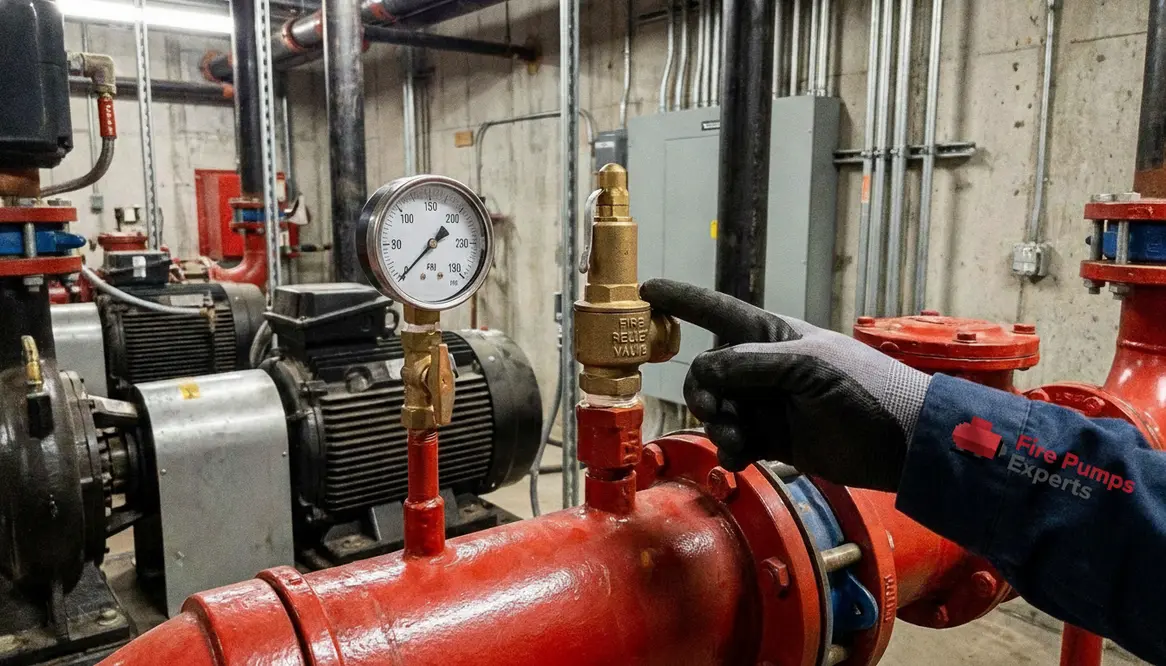
Fire Pump Pressure Relief Valve Maintenance
When I talk with facility managers, the fire pump pressure relief valve is rarely the star of the show. Still, it can make or break the whole system. A tired fire pump relief valve can cause pressure spikes, nuisance flow, or worse, a system that does not behave when people need it most. And yes, fire pump pressure sounds like one of those dull phrases that only engineers and worried managers love, yet it sits at the center of fire protection for commercial and industrial buildings. That is the part nobody claps for at the meeting, but everybody notices when it goes wrong.
In my experience, the best way to manage this gear is to understand the common failure points, watch the warning signs, and stay ahead of the problem before it turns into a very expensive episode of “what just happened.”
What I check first when pressure starts acting strange
When pressure climbs too high or drops in a way that does not fit the system, I start with the basics. I look at the valve setting, the discharge side, and the condition of the piping around the valve. A fire pump pressure relief valve should open only when pressure rises above the set point. If it opens too soon, the system loses useful pressure. If it opens too late, equipment takes a beating.
I also check for debris, corrosion, and scale. These small troublemakers can jam the valve or slow its response. In large buildings, that matters a lot because pressure changes travel fast. One weak part can act like the one bad teammate in a heist movie, and suddenly the whole plan goes sideways.
Common warning signs include:
- Water leaking from the valve body
- Pressure that rises and falls too fast
- Unusual noise during pump start
- Valve chatter or unstable operation
- Frequent small discharges with no clear cause
Why the valve fails in real facilities
Most problems come from wear, poor maintenance, or system conditions that never should have been ignored in the first place. Over time, springs weaken, seats wear out, and seals age. Meanwhile, temperature swings and water quality can add stress. In a busy industrial setting, that is normal. The trouble starts when the valve never gets inspected until the system complains loud enough to wake up the whole building.
Sometimes the issue is not the valve itself. Instead, the fire pump pressure may be too high because the pump curve does not match the system demand. In that case, the relief valve works overtime trying to protect the setup. That is like asking a coffee machine to also serve as a drummer. It may try, but nobody should be shocked when things get messy.
For facilities managers, the real lesson is simple: the valve often shows symptoms of a larger system issue. So, I never treat it like an isolated part. I look at the pump, the controls, the piping, and the maintenance history together.
How I inspect and test the system safely
When I inspect a fire pump relief valve, I want proof, not guesswork. I test the response at the right operating points and confirm that the valve opens and closes cleanly. I also check for vibration, which can loosen fittings and create leaks over time. Since these systems protect major properties and industrial sites, I keep the process calm, controlled, and documented.
Here is the simple flow I use:
- Confirm the valve set point
- Check for visible leaks or corrosion
- Review pump discharge pressure data
- Test valve response under controlled conditions
- Record results and compare them to past readings
Quick comparison: what I look for
Good signs
Stable discharge behavior
Dry valve body
Clean opening and closing
Normal pump load
Bad signs
Pressure swings and chatter
Visible seepage or wet fittings
Slow response or sticking
Excess strain during operation
Consistency matters. One reading tells a story, but several readings tell the truth. That is why I like trend data. It shows whether a problem is building slowly or showing up like a surprise guest nobody invited.
What facility managers should schedule before trouble hits
I always tell managers that a good inspection plan costs less than emergency work. Routine testing, cleaning, and calibration help keep the system ready for demand. If the building has a complex fire protection setup, I also recommend checking related equipment and service records. For example, los angeles fire pump service can support larger commercial and industrial properties that need dependable performance and clear maintenance history.
When a facility has broader electrical or sprinkler support needs, I also pay attention to coordinated services like commercial electrical solutions and fire sprinkler system services. The goal is not to collect vendors like trophies. The goal is to keep all related systems working together without drama.
For busy sites, I suggest a schedule that includes:
- Monthly visual checks
- Quarterly functional review
- Annual full system testing
- Immediate follow up after leaks, spikes, or repairs
FAQ
In the end, I treat the fire pump relief valve like a quiet guard at the door. It does not ask for applause, and it should never need attention for the wrong reason. Still, it deserves regular checks, solid records, and fast action when something changes. If you manage a commercial or industrial property, do not wait for a pressure surprise to become a bigger problem. Review your system now, verify your testing plan, and bring in the right service partner before the next alarm test turns into a live lesson.