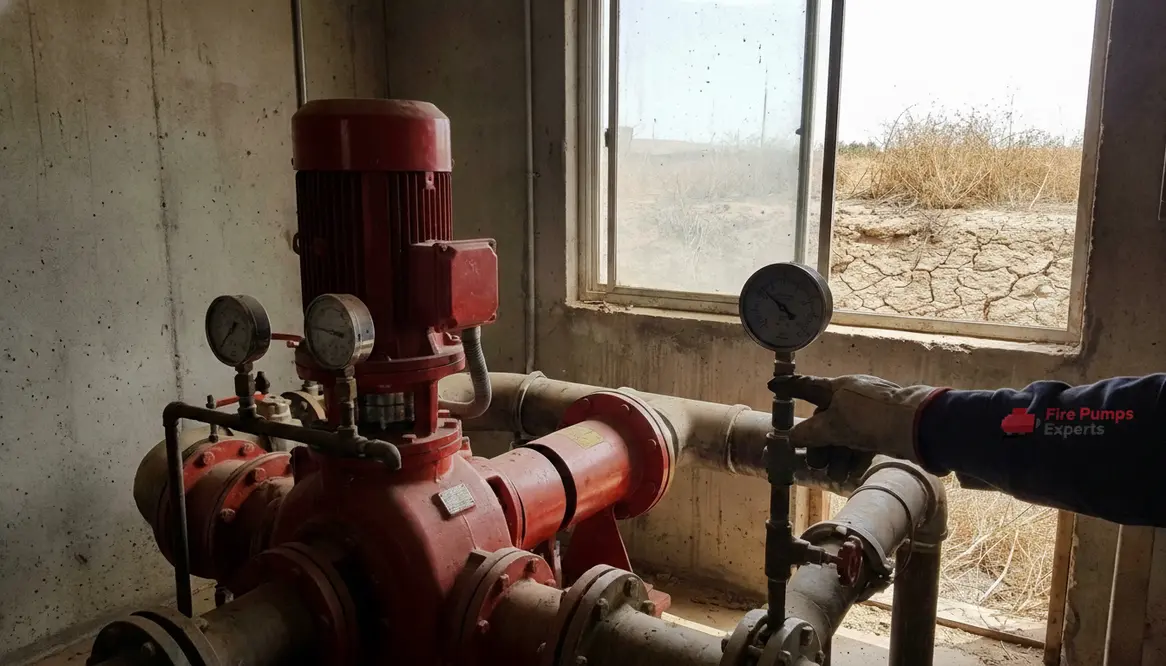
When I talk about fire pump water supply reliability during drought conditions, I am talking about more than pipes, tanks, and pressure gauges. I am talking about whether a commercial tower, an industrial plant, or a major property can still protect people and assets when the water table drops and the city starts rationing supply. In dry seasons, the fire protection water supply can get thin fast, and the fire pump system has to do its job without drama. That is the kind of pressure nobody wants, except maybe the folks in a superhero movie.
For commercial and industrial facilities, drought is not a side issue. It can change flow, reduce tank refill rates, and expose weak spots that hid in plain sight during normal weather. So I look at reliability in a practical way: steady supply, strong backup planning, and routine checks that keep the system ready when the weather gets rude.
What drought does to a fire pump water supply
Drought can lower reservoir levels, stress municipal lines, and slow the refill rate of on site storage. As a result, a fire pump water supply may not deliver the same margin it once did. I have seen systems look fine on paper, yet struggle when demand spikes and the source water cannot keep up.
First, low water levels can expose intake issues. Then sediment and debris may rise in tanks or basins, which can clog strainers and weaken performance. Also, if a facility depends on a municipal source, water pressure may drop during peak use or fire restrictions. That is when the plan needs more than wishful thinking and a coffee break.
How I improve drought readiness in commercial buildings
I start with the source. If the water supply is weak, the rest of the plan needs backup. For major properties, that often means larger storage, dual supply options, or a better tie in to dependable municipal infrastructure. I also make sure the facility team knows the exact limits of the available water, because guessing is not a protection strategy.
Next, I review the fire pump data against real world conditions. Flow tests, tank drawdown time, and suction conditions all matter. If the numbers only work in ideal weather, then the system needs work. In dry months, I want the fire pump system to have clear reserve capacity, not just a nice brochure photo.
What testing and maintenance should I do before dry season
I always recommend a dry season review before the heat peaks. That review should include pump performance, valve position, suction line condition, and control panel health. In addition, I check for corrosion, leaks, and any signs of wear that could turn into a problem when water becomes scarce.
I also look at pump room conditions. Heat can affect electrical parts, and dust can build up faster than anyone wants. A system that stays clean, tested, and documented has a better shot at lasting through drought pressure. As a rule, if the last inspection report reads like a mystery novel, it is time for a better plan.
Dual view of supply risk and backup planning
Here is the simple way I break it down.
Supply risk
Low reservoir levels can reduce usable water, and municipal pressure can fall during demand spikes. Therefore, the supply side must be measured, not assumed.
Backup planning
On site storage, alternate water sources, and clear maintenance schedules give the system a stronger chance to perform under stress. In other words, the backup plan should not be “hope and good vibes.”
For facilities with high risk and large occupancy, I also review how the fire protection water supply connects to other building systems. If a site has complex utility needs, a stronger electrical support plan can help keep pumps and controls stable. You can see a related approach through commercial electrical support for critical facilities, which matters when power quality affects pump performance.
Where I find the strongest system design support
When I evaluate a site, I look for a design that matches the property’s real demand, not just its minimum code box. For commercial and industrial sites, that means selecting equipment and layout with drought conditions in mind. I also look for proper sizing, dependable suction, and accessible service points, because maintenance should not feel like an escape room.
For more detail on setup and service options, I often point facility teams to the Los Angeles fire pump service overview. It helps me compare system needs with practical support for large buildings and industrial sites. In addition, for broader fire protection planning, I use the fire sprinkler services guide as a helpful reference for integrated protection thinking.
FAQ
When I protect a commercial or industrial property during drought, I treat water supply as a living system, not a fixed promise. If the source weakens, I adjust the design, tighten maintenance, and verify backup options before an emergency makes the decision for me. If your site depends on steady fire protection, now is the time to review it. I recommend a full inspection, a supply check, and a drought ready plan that keeps your building covered when water gets lean.