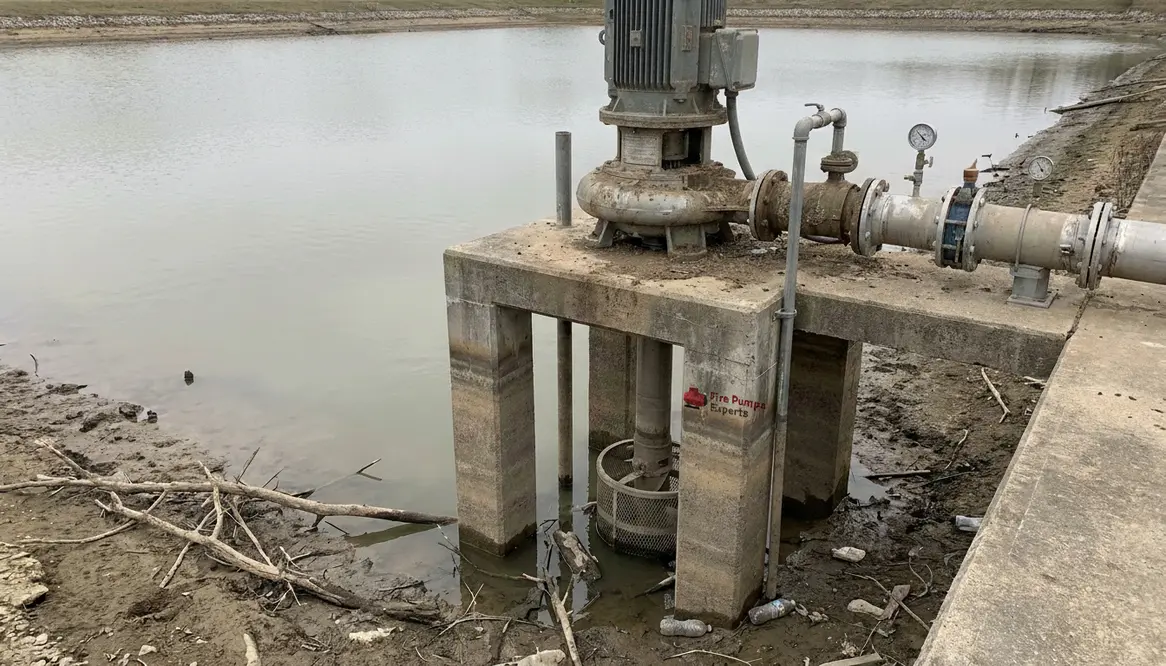
Seasonal Water Levels Threaten Fire Pump Reliability
How Seasonal Water Levels Can Affect Fire Pump Reliability
I have seen a lot of fire systems look rock solid in spring, then start acting nervous when the seasons shift. That is because your fire pump water supply does not stay the same all year, and your water level can rise, fall, or turn messy with little warning. If you rely on a vertical turbine fire pump, those changes matter more than most people think. A pump can only do its job when the source stays stable, and nature, bless her dramatic little heart, rarely reads maintenance schedules.
For commercial and industrial facilities, plus major property buildings, seasonal change can hit fire pump reliability like a plot twist in a bad movie. I want to break down what really happens, why it matters, and what I would watch before a dry season or storm cycle turns a dependable system into a very expensive conversation.
Why seasonal change matters to the pump
Water sources shift with weather, demand, and local supply patterns. In wet months, the intake may look healthy. However, once hot weather arrives or upstream use climbs, the level can drop fast. When that happens, the pump may pull air, lose prime support, or struggle to deliver the flow you expect. That is not just annoying. It can reduce fire protection when the building needs it most.
In cold seasons, the problem can change shape. Ice, debris, and sharp drops in source level can affect intake conditions. So, while the equipment may still run, it may not run well. And in fire protection, “almost works” is not a phrase anyone wants in the room.
What I look for in a seasonal water level check
I start with the source itself. Then I check the intake depth, the suction path, and any signs that the system is working harder than it should. A small drop in water level can create a larger problem if the intake sits too close to the surface or too near sediment.
Key warning signs
- Lower discharge pressure during normal test runs
- Air in the line or unstable flow
- More vibration than usual
- Debris at the intake screen
What I inspect next
- Seasonal source history
- Pump curve performance
- Motor load and run time
- Changes in sediment or algae buildup
How a vertical turbine setup reacts to low supply
A vertical turbine fire pump depends on the intake staying properly submerged and clear. When the source drops, the pump may begin to cavitate. That means it pulls vapor bubbles instead of smooth water flow. As a result, the pump loses efficiency, shakes more, and can wear out faster. Nobody wants a pump that sounds like it is auditioning for a heavy metal band.
Also, low source levels can expose the intake to warmer surface water or floating debris. That mix can reduce performance and increase the chance of blockage. If the pump must work harder just to keep up, the whole fire system loses margin. In a fire event, margin matters. It is the difference between calm readiness and a very tense phone call.
How I keep reliability steady through the year
I treat seasonal change like a planned risk, not a surprise. First, I review water trends before the dry or storm season begins. Then I test the system under expected demand and compare results to past readings. If performance starts to drift, I want to know why before it becomes a failure.
Next, I look at maintenance around the intake, controller, and associated power source. If a facility uses fire pump services, I make sure the plan covers both the equipment and the source conditions. I also check for changes in nearby use that may affect the supply, since one tenant, one drought, or one utility issue can shift the whole game board.
Why seasonal planning beats emergency repair
Emergency repair costs more, takes longer, and often arrives at the worst possible time. By contrast, seasonal planning lets me spot weak points while the system still has time to recover. That matters for commercial and industrial sites, where downtime can affect life safety, operations, and compliance all at once.
I also like to compare source behavior with system testing records. If a fire pump water supply source performed smoothly in late spring but now drops pressure in late summer, that pattern tells me something real. Data may not wear a cape, but it still saves the day.
Quick seasonal checklist for water-level confidence
Before dry season or after major storms, confirm:
- The water level supports proper intake submergence
- Intake screens are clean and not collecting debris
- Discharge pressure is consistent with historical test runs
During routine service, verify:
- Run time and motor load stay within expected range
- Signals of cavitation are not showing up as vibration
- The vertical turbine fire pump intake stays stable and clear
FAQ
Need help before the next season shifts? Review your fire pump water supply now, not after the water level drops and the pressure starts drifting. If your site depends on a vertical turbine fire pump, seasonal testing and source checks should stay on the calendar. For commercial and industrial facilities, strong fire protection starts with steady supply, smart inspection, and fast action. Explore los angeles fire pump service support and keep your system ready before the next weather change rolls in.