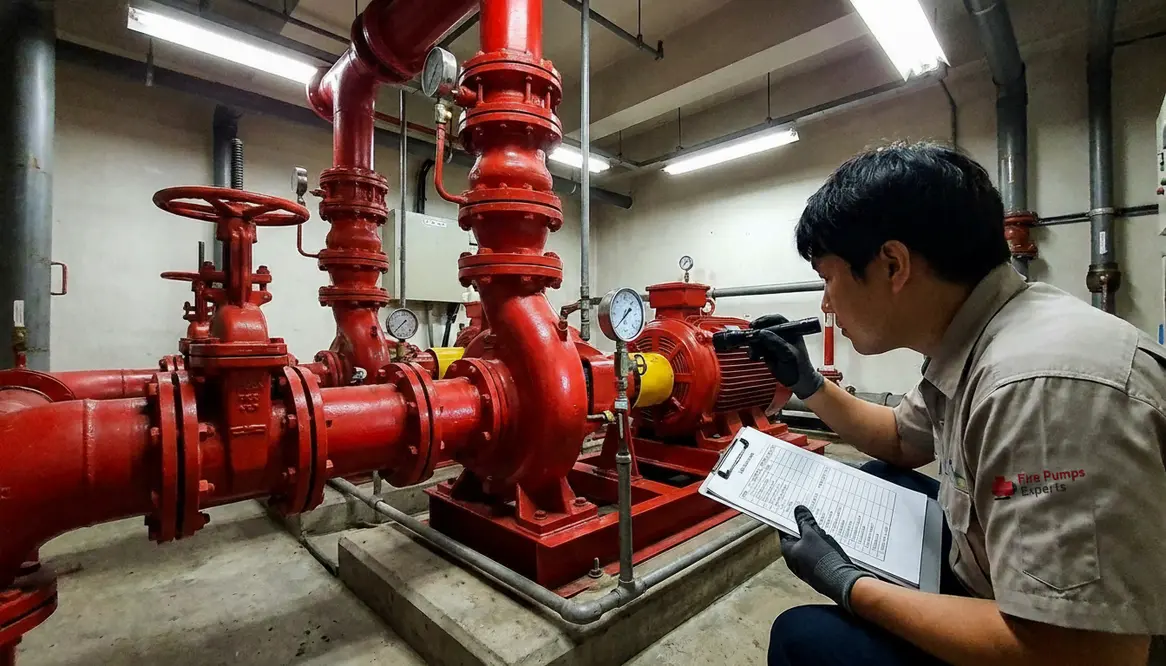
Fire Pump Preventive Maintenance Checklist for Readiness
When I work through a fire pump preventive maintenance checklist, I am not just ticking boxes like a sleepy office drone on a Monday morning. I am protecting commercial and industrial facilities, along with major property buildings, from a system failure that can turn a bad day into a very expensive headline. A fire pump only does its job when pressure drops and the system demands water, so it must stay ready at all times. That is why I use a clear routine, check real conditions, and fix small issues before they become the kind of problem that makes everyone suddenly look at the ceiling like it holds answers.
For reference, I also compare my process with trusted industry resources, including Kord Fire system support guidance, because a solid maintenance plan should never live in a vacuum. Now, let me walk through the checks that keep these systems reliable, calm, and fully prepared.
What I check first on a fire pump system
Before I touch anything else, I start with the basics. I confirm that the fire pump room stays clean, dry, and free of storage. Then I inspect the pump, driver, controller, valves, and visible piping for leaks, rust, loose fittings, or damage. Even a small leak can signal a bigger issue, and yes, water has a talent for showing up where it should not.
I also verify that the pump has proper access, clear labels, and enough room for service. If someone has turned the pump room into a storage closet, I flag it immediately. After that, I check the suction and discharge valves to make sure they are open and secured in the correct position. A closed valve can stop the whole system cold, which is not exactly the heroic ending anyone wants.
Fire pump maintenance checklist for weekly and monthly inspection tasks
Here is the part where routine discipline pays off. I keep weekly and monthly checks consistent because fire pump reliability depends on habit, not hope. Hope is fine for movie plots. It is not fine for life safety equipment.
Two column inspection focus
Mechanical checks
- Inspect for leaks, vibration, heat, or strange noise
- Confirm bearings, couplings, and packing stay in normal condition
- Check gauges for proper pressure and steady readings
- Look over the casing, shaft, and motor base for wear
Electrical and control checks
- Confirm the controller shows normal power and no fault signs
- Test alarms, indicators, and selector switches
- Review battery backup or power supply where used
- Make sure the automatic start feature stays ready
Next, I run a churn test or no flow test when the schedule calls for it, following the site standard and applicable code. This tells me whether the pump can start, stabilize, and hold the expected pressure. I listen for unusual sound, watch the pressure curve, and check how the driver responds. If the pump sounds like it is auditioning for a horror film, I investigate right away.
How I handle fire pump preventive maintenance checklist records
Good maintenance is not only about what I see. It is also about what I record. I document test results, pressure readings, repairs, parts replaced, and any sign of wear. That record helps me spot patterns over time. For example, a pump that slowly loses pressure every few weeks is not being dramatic. It is trying to tell me something.
I also note the date, the person who completed the inspection, and any follow up work needed. This creates a clean trail for compliance reviews, audits, and service planning. In large commercial and industrial facilities, that paper trail can save time, reduce confusion, and support faster decisions when a fault shows up.
What I do during annual fire pump service
Annual service goes deeper than routine checks. At this stage, I review the full system condition and compare it against the site’s performance history. I inspect the driver more closely, test the controller functions, confirm alignment, and review the pump curve where required. I also look at suction conditions, because the pump can only work with what it gets. Even the strongest system cannot make water appear from nowhere. If only it were that easy.
I pay close attention to wear parts, seals, and any sign of cavitation. Cavitation can damage the pump and reduce performance, so I never brush it off. In addition, I confirm that the fire pump matches the building demand and the service conditions. For commercial and industrial sites, the equipment must fit the actual risk, not some neat theory on paper.
Where I get help for fire pump support
Sometimes the smartest move is calling in experienced help. When I need service insight or a second set of eyes, I look at los angeles fire pump service support for reference on commercial and industrial fire pump needs. That kind of support matters when a facility depends on steady water pressure and fast response.
I use outside resources to compare best practices, but I keep the final plan grounded in the site’s own system layout, risk level, and compliance needs. A high rise, warehouse, plant, or other major property building deserves a plan that treats fire protection as serious business, not background noise.
FAQ
Conclusion
I treat a fire pump preventive maintenance checklist as a living part of protection, not a one time task. When I inspect, test, record, and follow through, I keep the system ready for the moment it matters most. If you manage a commercial or industrial facility, now is the time to tighten your maintenance routine, review your records, and schedule expert support before a small fault becomes a big problem. Ready systems do not happen by luck. They happen by action.