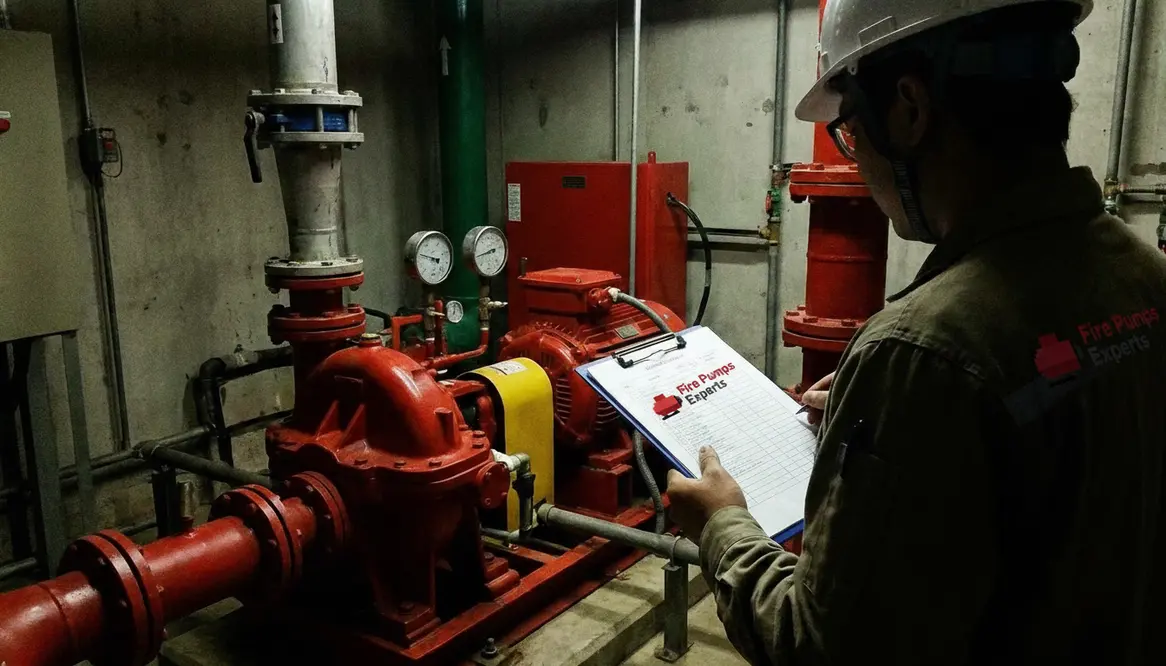
Fire Pump Inspection Checklist for Commercial Buildings
Fire Pump Inspection Checklist: A Clear Guide for Commercial and Industrial Buildings
When I walk into a commercial or industrial building, I look at the fire pump the same way a pilot looks at the engine before takeoff. It is not glamorous, and it rarely gets applause, but it matters when the heat is on. That is why I rely on a fire pump inspection checklist to keep systems ready for real emergencies. In the world of major properties, this is not busywork. It is risk control, code care, and common sense with a hard hat on.
For facilities that handle large occupancy loads, equipment, or high value assets, a fire pump can be the difference between a controlled event and a very bad day. So, let me break down what I inspect, why I inspect it, and how I keep the process calm, clean, and practical.
What I check first during a fire pump inspection
I always start with the basics, because the basics like to hide the biggest problems. First, I verify the pump room is clear, dry, and locked down from clutter. Then I look at the pump itself, the driver, the controller, and the power source. If the room looks like a storage closet for forgotten office chairs, I already know I have work to do.
I also check for leaks, corrosion, loose parts, unusual noise, and vibration. These early signs tell me a lot. For example, a small drip can turn into a serious failure if no one notices it in time. I also confirm the controller shows normal status and no trouble lights are flashing like a scene from a sci fi movie.
Fire pump inspection checklist for daily, weekly, and monthly review
I use a layered routine because fire protection does not wait for one nice annual visit. Different checks happen at different times, and each one gives me a better picture of system health.
Daily and weekly items
These quick checks help me catch trouble early.
Left column
- Check pump room temperature
- Confirm no alarms are active
- Look for leaks or standing water
- Make sure valves are in the correct position
Right column
- Inspect controller status lights
- Verify power supply conditions
- Listen for odd sounds during operation
- Confirm the area stays clean and accessible
Monthly items
Each month, I go deeper. I inspect fuel levels for diesel units, check batteries, review pressure readings, and confirm the system stays ready for automatic start. I also make sure test records are complete. Paperwork may not feel heroic, but when an inspector asks for it, missing logs suddenly become very dramatic.
How I test the pump system without causing chaos
Testing matters because a fire pump should not just look ready. It should perform ready. I run tests based on the building type, the pump type, and the site risk. For commercial and industrial facilities, I focus on performance under pressure, since these buildings often depend on steady water flow across large spaces.
I review suction and discharge pressure, flow performance, and automatic start function. I also verify the pump starts when the system calls for it. If it hesitates, I want to know why now, not during a real event when everyone is already having a terrible afternoon.
During testing, I also watch for heat buildup, engine issues, and signs of wear. Then I compare the readings with past results. Trends matter. One bad reading may be a fluke. Three bad readings are a message, and usually not a subtle one.
Why I focus on records, repairs, and compliance
A good inspection is only half the job. The other half is proving the system stays compliant and functional over time. I keep detailed records of each inspection, test, and repair. This helps me track changes, spot repeat issues, and support audits or insurance reviews.
I also treat repairs as urgent when they affect readiness. A missed gasket, worn bearing, or weak battery may seem small, but these issues can reduce system performance. For major properties, that kind of delay can put people, assets, and operations at risk. So, I push for fast action, clear reporting, and proper follow through.
For building teams that want more guidance on dependable fire protection planning, I also recommend reviewing Kord Fire safety support as a useful reference for system care and service awareness. In addition, for local service context, see los angeles fire pump service.
When I bring in a professional inspection team
I do not wait until the system fails before I call in help. I bring in a qualified team when the pump shows repeated faults, when the site has critical operations, or when code requirements call for formal inspection and testing. That is especially true for commercial and industrial facilities where downtime costs real money and safety demands real discipline.
I also recommend a professional review after renovations, water supply changes, or electrical work. Even a small change to the building can affect system performance. And yes, the fire pump tends to notice before anyone else.
Fire pump inspection checklist FAQ
Quick answers for teams using the fire pump inspection checklist.
Conclusion
If I want a fire pump to protect a commercial or industrial property, I treat inspection as a habit, not an event. A strong fire pump inspection checklist keeps the system ready, the records clean, and the risks lower. So, if your building depends on fire protection that has no room for guesswork, now is the time to act. Review your fire pump inspection checklist, verify your logs, and schedule a full inspection before trouble shows up uninvited.