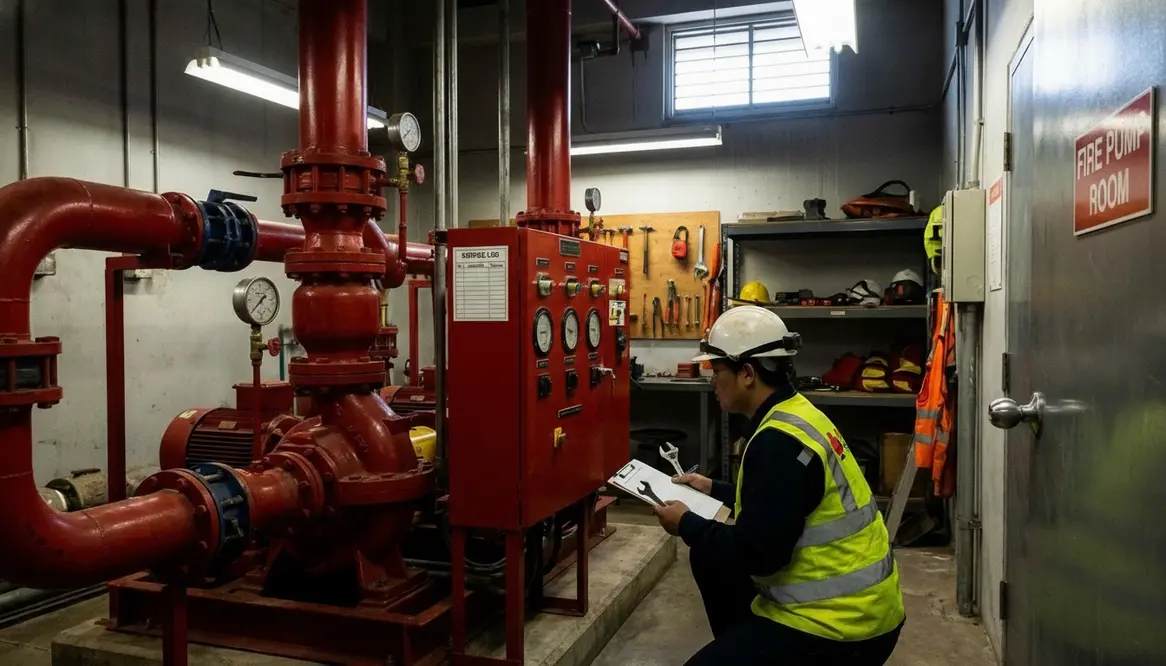
Fire Pump Service Schedule: Weekly to Annual Checks
When I talk about a fire pump service, I am talking about more than a box to check. I am talking about the quiet guardian standing by for commercial and industrial facilities, and for major property buildings that cannot afford guesswork. If a pump fails when the heat is on, nobody has time for drama, and the fire does not care about your calendar. So, how often should fire pumps be serviced? The short answer is: regularly, with a clear routine that includes weekly, monthly, quarterly, and annual checks. The exact schedule depends on the system, the site, and local code, but the goal stays the same. Keep the pump ready, keep records clean, and keep trouble from showing up uninvited.
How Often Should Fire Pumps Be Serviced?
I usually break the schedule into layers. First, I look at weekly visual checks. Then I move to monthly inspections. After that, I add quarterly testing and a full annual service. This rhythm gives me a strong grip on system health without waiting for a problem to announce itself like a bad sequel.
For most commercial and industrial properties, weekly checks catch simple issues fast. Monthly checks confirm the pump still starts, runs, and holds steady. Quarterly testing helps me spot wear, leaks, and weak pressure. Finally, annual servicing gives the full system a deeper review, including parts that may look fine but hide trouble. In other words, I do not trust a fire pump just because it looks polite.
What service timing should I follow?
How I build a service schedule for fire pumps
I start with the manufacturer’s guide, then I follow local fire code and site policy. That matters because no two properties behave the same. A high rise, a warehouse, and a plant floor each place different demands on the system. So, I treat the schedule like a living plan, not a one size fits all rule.
Quick service rhythm
Weekly: visual checks, pressure review, fuel and power review
Monthly: start up test, alarms, controller status, and general condition
Quarterly: flow related checks, wear review, and deeper inspection
Annually: full service, testing, cleaning, adjustment, and record review
As a result, I can catch small faults before they grow teeth. That saves money, lowers risk, and keeps the system ready for the day everyone hopes never comes.
Why regular maintenance matters for commercial sites
Fire pumps serve serious buildings, and serious buildings cannot afford weak links. I have seen small issues turn into costly repairs because someone waited too long. A loose fitting can cause leaks. A tired motor can fail under load. A dirty controller can create false alarms or hide a real one. Then, when the system should perform like a hero in a summer blockbuster, it hesitates.
Regular service also protects compliance. Many insurers, inspectors, and facility managers want proof that the pump gets proper care. So, I keep logs, test results, and service notes in order. That paper trail matters just as much as the wrench in my hand.
Fire pump service and the signs I never ignore
Even with a good schedule, I watch for warning signs between visits. If the pump starts harder than usual, vibrates more than it should, or shows pressure drops, I pay attention. Likewise, rust, heat, fuel issues, strange noise, and water leaks all deserve fast action. The same goes for controllers that misbehave or alarms that seem a little too quiet. Silence is not always golden. Sometimes it just means the system wants a checkup.
When those signs show up, I do not wait for the next routine visit. Instead, I bring in a qualified tech and inspect the system right away. That response can prevent downtime and protect a site before a small fault becomes a big headline.
Where I look for trusted support
For fire pump care, I like to keep things simple and reliable. That is why I pay attention to proven specialists who understand commercial and industrial needs. If I need a reference point, I can start with trusted fire pump specialists in Australia for general service insight and system care standards. For local search support, I also use los angeles fire pump service as a useful SEO focused reference for site specific fire pump needs. Both help anchor the bigger idea: the right service partner keeps large properties safer and more prepared.
FAQ
Quick answers for the schedule, the people, and the paperwork that keeps your fire pump service on track.
Conclusion
If I want a fire pump ready when it matters, I service it on a steady schedule and never wait for a warning shot. I keep weekly, monthly, quarterly, and annual checks in place, and I act fast when something looks off. For commercial and industrial facilities, that approach protects people, property, and peace of mind. If your site needs dependable fire pump service, now is the time to review your service plan and schedule a qualified inspection today.