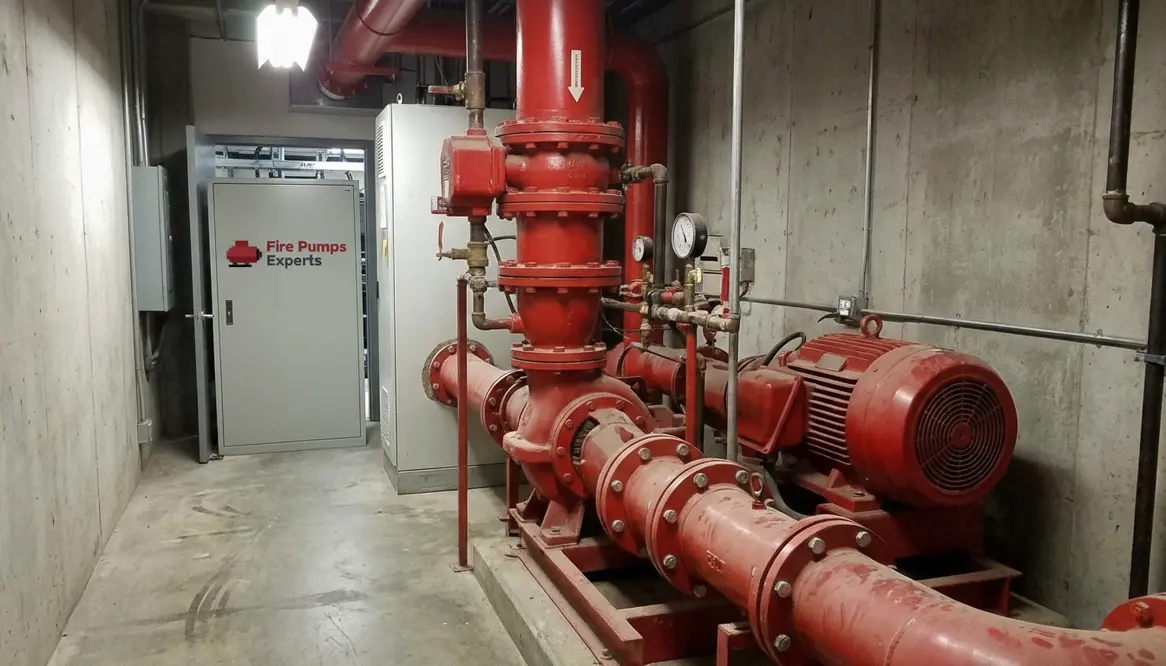
Fire Pump Reliability for Mission Critical Data Centers
In my world, data center fire protection is not a side note. It is the quiet guard standing watch while servers hum, lights blink, and business keeps moving. When I look at data center fire suppression, I want more than a system that looks good on paper. I want one that works when heat rises and pressure drops. That is where the fire pump earns its place. It moves water with purpose, and in a mission critical space, that kind of certainty can save a building, a budget, and a very bad day. And yes, in a room full of computers, the only drama I want is a power outage in a movie, not in real life.
For commercial and industrial facilities, reliability is not a luxury. It is the whole game.
Why reliability matters before the alarm sounds
A data center can look calm right up until it is not. Heat builds fast, cables age, and a small fault can turn into a costly event. That is why I treat fire protection as part of the core design, not an add on. A dependable fire pump supports sprinkler systems, helps keep water pressure steady, and gives the suppression system the force it needs when the moment comes.
Here is the hard truth. If the pump fails, the rest of the system may still be standing there like a hero with no shoes. That is not the kind of surprise anyone wants. So I focus on pump readiness, inspection habits, and system fit. Strong planning keeps the water path clear and the response time short.
What I check in a fire pump system
When I review a pump setup for a data center, I look at the basics first. Then I dig deeper. The details matter because small issues grow teeth later.
Key checks I never skip
- Correct pump sizing for the building load
- Stable power supply and backup support
- Suction conditions that avoid cavitation
- Routine testing under real operating flow
- Valve positions and pressure settings
- Clear access for maintenance crews
Also, I watch for wear that does not shout. A small vibration, a strange sound, or a pressure drop can point to bigger trouble. In this line of work, the pump often whispers before it screams. That is why I never ignore the whisper.
How I build a stronger protection plan
I always connect the fire pump to the full protection strategy. A strong data center fire protection plan works like a team, not a solo act. The pump supports the water supply. The suppression system controls the spread. The controls and alarms guide people to action. Together, they form a cleaner response with less chaos and less damage.
In practical terms, I want the design to match the actual risk. That means I factor in room size, equipment density, fuel loads, and how the space operates day and night. I also make sure the plan fits the facility’s mission. A server hall does not get treated like a warehouse full of office chairs. Different spaces, different risks, different answers. That is just common sense wearing a hard hat.
Choosing the right partner for commercial sites
For major properties, I look for specialists who understand complex systems and real uptime pressure. I want a team that can handle fire pump service, electrical support, and system coordination without making me play translator between five different vendors. If a provider understands both fire and power, that helps a lot.
I also value proven service across large facilities. For example, I would review resources like los angeles fire pump services when I need local support tied to commercial and industrial sites. In addition, I would check related guidance from commercial electrical services when the pump system depends on dependable power. For international or regional planning, I would also study industrial fire sprinkler services to compare system approaches. That kind of research helps me make better calls before a real emergency makes them for me.
My field notes on uptime and testing
I use a simple rule: if a system protects uptime, it deserves uptime. So I schedule regular tests, review logs, and track trends over time. That way, I can spot slow decline before it turns into failure. A pump does not need applause. It needs clean maintenance, steady monitoring, and a team that respects the job.
Dual view for practical planning
Reliability focus
power, pressure, pump health, and response speed
Business focus
uptime, asset protection, compliance, and lower loss risk
FAQ
Conclusion
If I want a data center to stay resilient, I do not leave fire protection to chance. I make the fire pump part of a wider data center fire protection plan, then I test, review, and improve it with care. That approach protects equipment, keeps operations steady, and reduces risk when seconds matter. If you manage a mission critical facility, now is the time to strengthen your system, review your pump strategy, and work with experts who know the stakes.