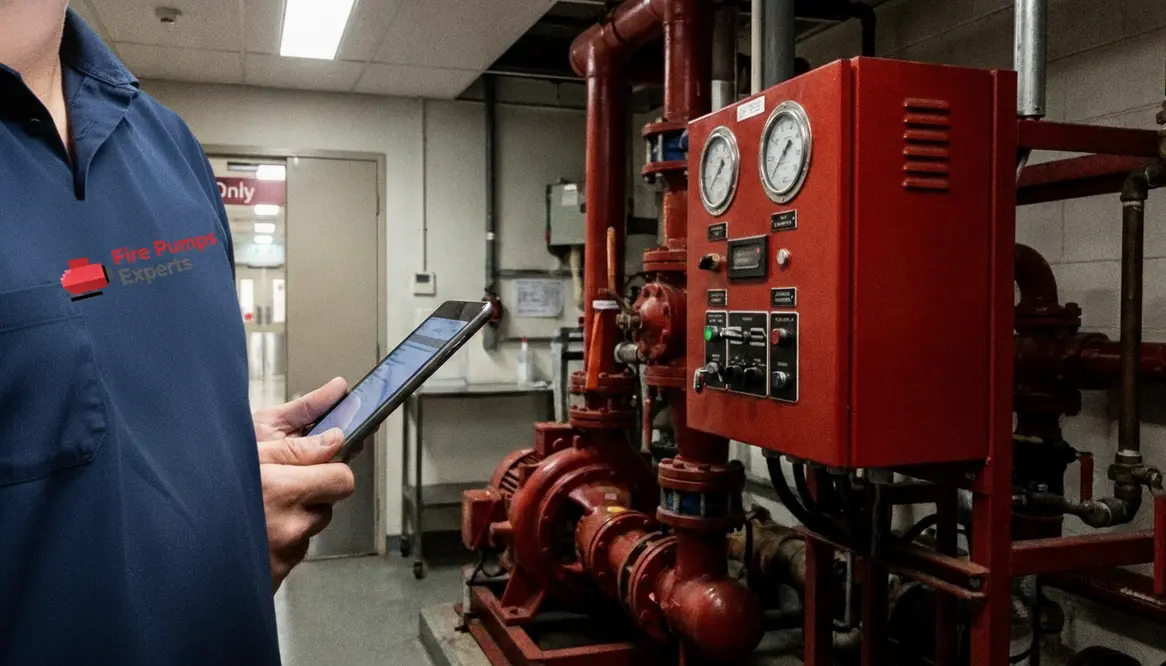
Hospital Fire Protection and Fire Pump Testing
When I talk about hospital fire protection, fire pump testing, and healthcare fire safety, I am talking about a system that has to work every single time. In a hospital, people do not get the luxury of “we will fix it after lunch.” The building keeps running, the care keeps moving, and the pressure stays high. That is why I plan testing with care, timing, and a little common sense. After all, nobody wants a fire pump drill to feel like a surprise guest on a season finale.
Why I treat hospital pump checks like a live mission
I never see a hospital as a normal site. It is a full time operation with patients, staff, visitors, clean rooms, and critical systems all working at once. Because of that, I treat fire pump checks as mission support, not just maintenance. I focus on keeping water supply ready while limiting noise, downtime, and staff stress.
First, I review the building use and risk areas. Then I map the pump room, risers, alarms, and backup power. This helps me test without bumping into patient care hours or sensitive areas. In many cases, I work around shift changes, low traffic windows, and planned clinical schedules. That way, the test stays smooth and the hospital stays calm. Nobody needs a fire alarm test while someone is trying to enjoy a cup of coffee that tastes like regret.
How I plan fire pump testing without chaos
I start with a clear plan. Good planning saves time, and in a hospital, time is not just money. It is comfort, safety, and trust. I coordinate with facility staff, security, and the fire safety team before I touch a valve or start the pump.
I also check the rules for the site, the pump type, and the inspection record. Then I set a testing path that avoids patient wards and service bottlenecks. If needed, I stage staff support so someone can watch for pressure changes while I monitor pump output. That keeps the test tight and controlled.
Here is the basic flow I follow:
- Confirm the test window with hospital leadership
- Review the pump room layout and access points
- Check backup power and alarm response
- Notify key staff before the test begins
- Run the test, record results, and restore normal settings
Because I keep the process clear, the hospital keeps moving. That is the whole point.
What I check before I start the pump
I never rush into testing. Instead, I inspect the system first so I can spot issues before they turn into larger problems. I look at pump condition, controller status, suction supply, valves, gauges, and signs of wear or leaks. In healthcare fire safety, small defects matter. A loose fitting today can become a failed system tomorrow, and that is a headache nobody wants in a place built for healing.
I also verify that the pump room stays clear and that the equipment has proper space around it. If I see heat damage, odd vibration, or low pressure patterns, I slow down and investigate. This is where experience pays off. I do not want to “see what happens.” That is a fine approach for movie plots, not hospital protection.
For larger properties and commercial healthcare sites, I often review related system work too. For example, if the facility also needs electrical support, I may point the team to kord electric support for critical systems so they can keep power related equipment in better shape. When water based protection and electrical reliability work together, the whole site runs stronger.
How I keep testing from disrupting care
I reduce disruption by treating the hospital like a living system. I avoid high traffic hours whenever possible. I also keep communication short, direct, and timely. If a department needs warning before a test, I give it. If a clinical unit needs extra time, I adjust. Flexibility matters, and so does respect.
What I do
Schedule around care peaks, use clear alerts, and keep the test crew small.
What the hospital gets
Less noise, fewer interruptions, and a test that does not hijack the day like an overconfident side character.
I also make sure the test ends cleanly. I restore valves, confirm normal status, and document every reading. That final step matters more than people think, because a great test with poor paperwork is like a great concert with no ticket stub. It happened, but good luck proving it later.
Why documentation and follow up protect the building
I always capture test results, pressure readings, run time, and any repair needs. This creates a clear record for audits, insurance reviews, and future service planning. It also helps the facility spot patterns. If the same issue shows up twice, I know the system wants attention, not wishful thinking.
Follow up is just as important. I review findings with the team, explain what passed, and point out what needs repair or replacement. For major properties, this kind of record keeping supports broader hospital fire protection planning and keeps fire pump testing tied to real action instead of shelf life.
If the site needs deeper fire pump service, I also use trusted resources like https://kordfire.com/fire-pump/ for regional support and reference standards. Likewise, I may review fire pump service for commercial properties when comparing pump care methods for large facilities. For facilities with sprinkler coordination needs, I also look at commercial sprinkler system services to keep the whole protection picture aligned.
FAQ
Yes, but I try to schedule it to limit disruption and protect operations.
Poor planning. It can cause alarms, pressure loss, or delays in care areas.
Facility leaders, safety staff, security, and any affected department.
Conclusion
If you want dependable hospital fire safety without turning the day upside down, I can help you plan it right. I focus on careful timing, clear communication, and accurate results so your pump testing supports daily care instead of interrupting it. Reach out, and I will help you protect the building, the people inside it, and the work that never stops.