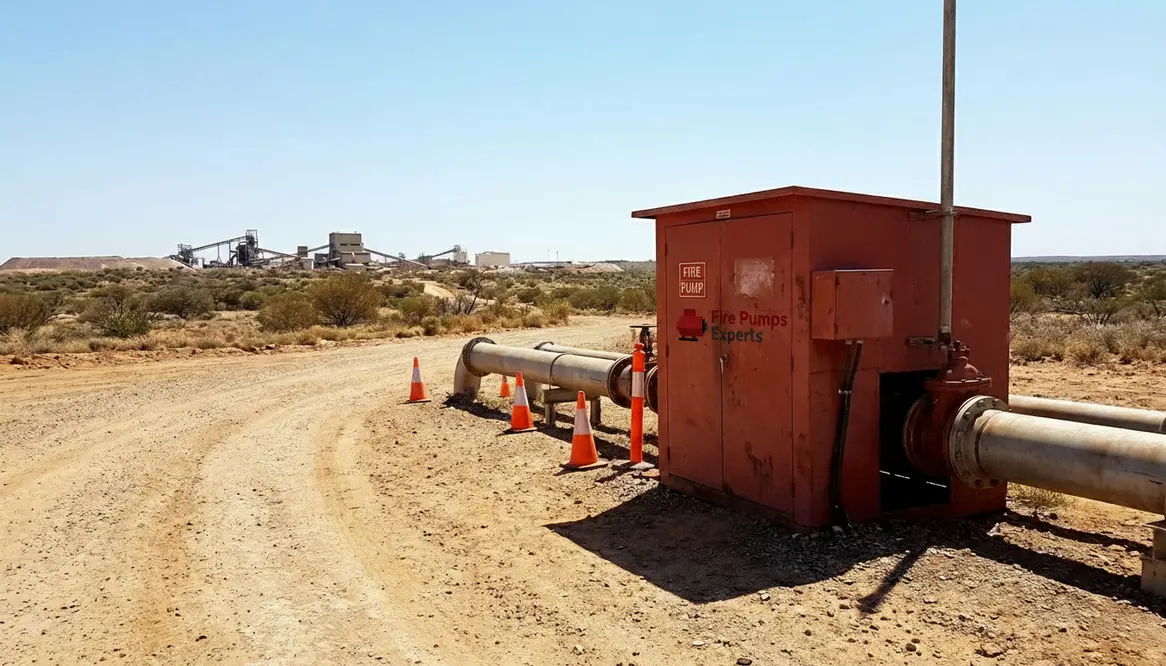
Fire Pump Remote Australia Reliability Guide
I have spent enough time around critical infrastructure to know one thing for certain. When you are hundreds of kilometres from the nearest major city, reliability is not a luxury. It is survival. That is exactly where fire pump remote Australia becomes more than a technical phrase. It becomes a promise. In mining operations, large industrial plants, and major commercial facilities spread across the vast Australian landscape, fire protection systems must perform without hesitation. Because out there, delays are not just inconvenient. They are costly, dangerous, and sometimes irreversible.
Why Reliability Matters in Remote Industrial Sites
Out in remote Australia, distance changes everything. Response times stretch. Supply chains slow. Even simple maintenance tasks can feel like a logistical puzzle. Therefore, I always emphasize that fire pumps in these environments must be built and maintained with zero tolerance for failure.
Moreover, industrial facilities operate with high value assets and complex processes. A single fire incident can halt production for weeks. Consequently, reliable pump performance is not just about safety compliance. It directly protects revenue and operational continuity.
And let’s be honest. If your fire system only works when it feels like it, you are essentially trusting your safety to luck. That is not a strategy. That is a gamble.
What Makes Fire Pump Systems Fail in Isolation
I have seen patterns emerge over the years. Remote failures rarely happen because of one dramatic issue. Instead, they build quietly.
Environmental stress plays a major role. Heat, dust, and humidity can wear down components faster than expected. In addition, inconsistent power supply in remote regions can compromise electric pump systems.
Then there is maintenance access. When technicians cannot easily reach a site, small issues linger longer than they should. As a result, minor wear turns into major failure.
Finally, system neglect sneaks in. Not because operators do not care, but because competing priorities take over. And just like that gym membership we all swear we will use, the fire pump quietly waits… until it is suddenly needed.
How Do I Ensure Fire Pump Reliability in Remote Australia?
I approach this with a simple philosophy. Design for resilience first. Then maintain with discipline.
First, I choose systems that match the environment. Diesel driven pumps, for instance, often provide greater independence where power supply is unstable. Additionally, corrosion resistant materials extend system life in harsh climates.
Next, I rely heavily on remote monitoring. Real time data allows operators to detect pressure drops, abnormal vibrations, or fuel issues before they escalate. In many cases, this turns a potential shutdown into a quick adjustment.
Equally important, I schedule routine testing that actually happens. Weekly churn tests and monthly performance checks are not suggestions. They are non negotiable. Because when a system is called into action, it does not get a warm up lap.
Designing for Harsh Conditions and Long Distances
Key Design Priorities
- Oversized fuel storage for extended operation
- Redundant pump systems for backup
- Weather protected enclosures
- Simple control systems with minimal failure points
Operational Advantages
- Reduced downtime during emergencies
- Lower dependency on external support
- Improved system lifespan
- Greater confidence during audits and inspections
In addition, I make sure every component serves a purpose. Overcomplication may look impressive on paper, but in remote environments, simplicity wins every time. Think of it like the difference between a rugged off road vehicle and a luxury sports car. One survives the outback. The other struggles in a parking lot with gravel.
Maintenance Strategies That Actually Work
Maintenance in remote locations requires a shift in mindset. I cannot rely on reactive fixes. Instead, I plan for prevention.
To begin with, I establish clear maintenance schedules that align with site operations. Then, I ensure on site personnel are trained to perform basic inspections. This reduces dependency on external technicians.
Furthermore, I keep critical spare parts readily available. Waiting weeks for a replacement component is simply not acceptable when safety is at stake.
And yes, documentation matters. Accurate logs help identify patterns and predict failures. It may not sound exciting, but neither is explaining to stakeholders why a preventable issue caused a shutdown.
Technology Is Changing the Game
Technology has quietly revolutionized how I manage fire pump remote Australia systems. Remote diagnostics, automated alerts, and cloud based reporting now allow teams to oversee multiple sites without being physically present.
As a result, decision making becomes faster and more informed. Instead of reacting to failures, operators can act on early warning signs.
It almost feels like having a watchful guardian over the system. Not quite sci fi level, but we are getting close. Give it a few years and your fire pump might start sending you polite reminders before anything goes wrong.
FAQ: Fire Pump Reliability in Remote Locations
Conclusion: Reliability Is a Choice, Not a Coincidence
I see fire protection as a commitment, not a checkbox. In remote environments, that commitment becomes even more critical. If you manage a large scale facility, now is the time to assess your systems, strengthen your maintenance strategy, and invest in smarter monitoring. Because when it comes to fire pump remote Australia, reliability is not something you hope for. It is something you build, test, and demand every single day.