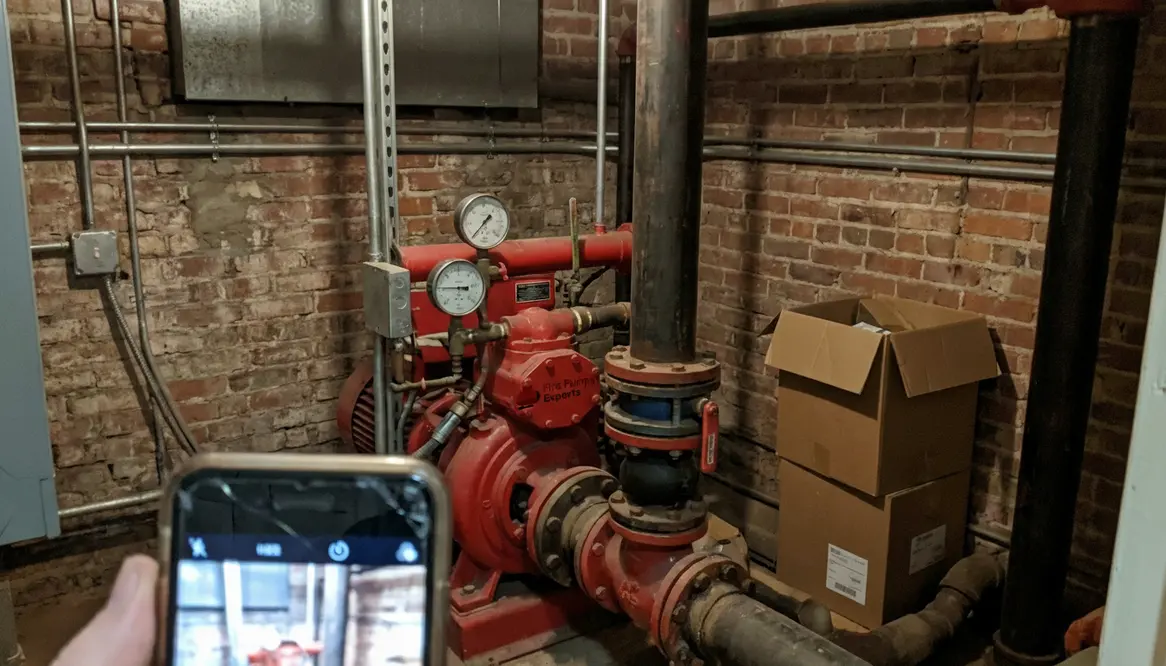
Fire Pump Requirements for Boutique Hotels Guide
I have spent enough time around boilers, back corridors, and the quiet hum of mechanical rooms to know one thing for certain. Fire safety is not glamorous, but it is where reputations live or die. When I talk about Fire Pump Requirements for Boutique Hotels, I am not just talking about compliance. I am talking about protecting guests who trust you enough to fall asleep under your roof. And trust me, nothing ruins a five star review faster than a failed inspection or, worse, a preventable incident.
So let us walk through it together, calmly and clearly, like a late night conversation that just happens to save your property.
What does fire compliance actually mean for smaller hospitality assets?
Fire compliance, in simple terms, means your building can detect, control, and suppress fire effectively. However, smaller hospitality properties often assume they fall into a lighter category. That assumption can be costly.
I have seen boutique hotels treat compliance like a checkbox. Install alarms, hang extinguishers, call it a day. But codes require integration. Detection systems must communicate with suppression systems. Water supply must meet demand. And yes, that brings us right back to fire pump systems.
Because when pressure drops, so does your margin for error.
Moreover, local authorities do not grade on charm. Exposed brick walls and artisan coffee do not offset weak infrastructure. Compliance is binary. You either meet it, or you do not.
Fire Pump Requirements for Boutique Hotels explained simply
Let me put this plainly. If your water supply cannot maintain adequate pressure for sprinklers during peak demand, you need a fire pump. No debate. No creative interpretation.
Now, Fire Pump Requirements for Boutique Hotels depend on building height, occupancy load, and system design. However, I always advise owners to think beyond minimum thresholds. Codes tell you the least you can do. They do not tell you what keeps your building resilient.
Additionally, fire pumps must be reliable under stress. That means proper sizing, backup power, and routine testing. I have walked into properties where the pump existed only on paper. A beautiful idea. Completely useless in a real emergency.
And let me say this with a slight smile. A fire pump that fails is like a lifeguard who cannot swim. It looks official, right up until the moment it matters.
What I always check first
- Water supply consistency
- Pressure levels during peak use
- Pump test records
- Backup power reliability
What owners often overlook
- Routine maintenance schedules
- System integration issues
- Aging infrastructure
- Professional inspections
How do I ensure my boutique hotel passes inspection every time
Consistency beats last minute panic. Every single time.
First, I keep documentation tight. Inspectors love records because records tell a story. A clean log of inspections, tests, and maintenance shows discipline.
Next, I invest in professional assessments. Not the quick glance kind. I mean detailed evaluations from specialists who understand commercial grade systems. This matters because firepumps.org focuses on larger commercial and industrial properties, and that level of rigor is exactly what smaller assets should borrow.
Furthermore, I train staff. Not just how to smile at guests, but how to respond when alarms trigger. Because systems buy time, but people decide outcomes.
And finally, I test everything. Regularly. Not annually. Not when I remember. Regularly. Because systems that sit idle tend to surprise you, and not in a good way.
Common compliance mistakes I see in smaller hospitality properties
Now here is where things get interesting. Smaller properties tend to repeat the same mistakes, almost like a bad sequel nobody asked for.
First, underestimating water demand. A few extra rooms, a renovated floor, and suddenly the system is stretched thin.
Second, ignoring fire pump performance. Owners assume installation equals reliability. It does not. Performance drifts over time.
Third, fragmented upgrades. One system gets modernized while another stays outdated. That disconnect creates gaps.
Additionally, some rely too heavily on minimum code compliance. But codes evolve. What passed five years ago might raise eyebrows today.
And yes, I have seen properties treat inspections like surprise exams. That strategy works about as well as cramming for a final after skipping the entire semester.
Integrating fire safety systems for long term resilience
Integration is where everything comes together. Detection, alarms, sprinklers, and pumps must operate as a unified system.
Therefore, I always recommend a holistic approach. When one component changes, the entire system should be reviewed. This ensures compatibility and performance.
Moreover, modern monitoring tools allow real time insights. You can track pressure, detect faults, and respond before issues escalate. That is not just compliance. That is control.
And let me tell you, control feels a lot better than scrambling during an emergency.
Even better, integrated systems reduce long term costs. Fewer surprises. Fewer emergency repairs. More predictable operations.
FAQ
Final thoughts that might just save you a headache later
Fire compliance is not about fear. It is about preparation. When I align systems, maintain equipment, and respect Fire Pump Requirements for Boutique Hotels, I create a property that stands ready, not reactive. If you manage or own a hospitality asset, now is the time to act. Review your systems, bring in experts who understand large scale standards, and close the gaps before they widen. Because peace of mind, much like good service, should never be left to chance.