Fire Pump Systems for Motels Safety Guide
A practical, slightly blunt walkthrough of the systems that quietly decide whether your motel handles a fire like a controlled incident or an avoidable disaster.
I have walked through enough mid sized lodging properties to know one thing for certain. Fire does not care how charming the lobby feels or how many five star reviews sit online. It moves fast, and it expects you to be ready. That is why I always bring the conversation back to Fire Pump Systems for Motels early. Within the first few minutes of any safety review, I look at water supply, pressure reliability, and whether the system can truly perform when the heat is on. Because when things go wrong, and they sometimes do, your systems either rise to the moment or quietly fail.
So let us take a steady walk through what actually matters, with a calm voice and just enough humor to keep us awake. After all, fire safety is serious business, but no one said we have to be boring about it.
If your fire protection plan still lives in a binder that no one has opened since the last inspection sticker, this is your sign to upgrade from “paper compliance” to actual performance.
What makes fire safety different for mid sized lodging properties
I often hear owners say, “We are not a high rise, so we are lower risk.” That sounds comforting, but it is not entirely true. Mid sized properties sit in a tricky middle ground. They have enough occupants to create evacuation challenges, yet they often lack the layered redundancies of larger commercial towers.
Because of that, I focus on balance. You need systems that are robust, yet practical. For example, guests are unfamiliar with exits, so clear signage and lighting matter more than you might think. Meanwhile, staff training becomes your human safety net. And yes, your water based suppression system must deliver consistent pressure across all floors.
Additionally, response time is critical. Fire departments may not always be seconds away. Therefore, your internal systems carry the first burden. Think of them as the opening act before the professionals arrive, and nobody wants that opening act to bomb.
Guest behavior realities
- Guests do not know your layout.
- They may ignore alarms at first, assuming it is a drill.
- They carry luggage, kids, and stress, not evacuation experience.
What your systems must do
- Stay simple and obvious under stress.
- Work even if power, pressure, or people fail you.
- Push adequate water where it is needed, fast.
Fire Pump Systems for Motels and why they quietly carry everything
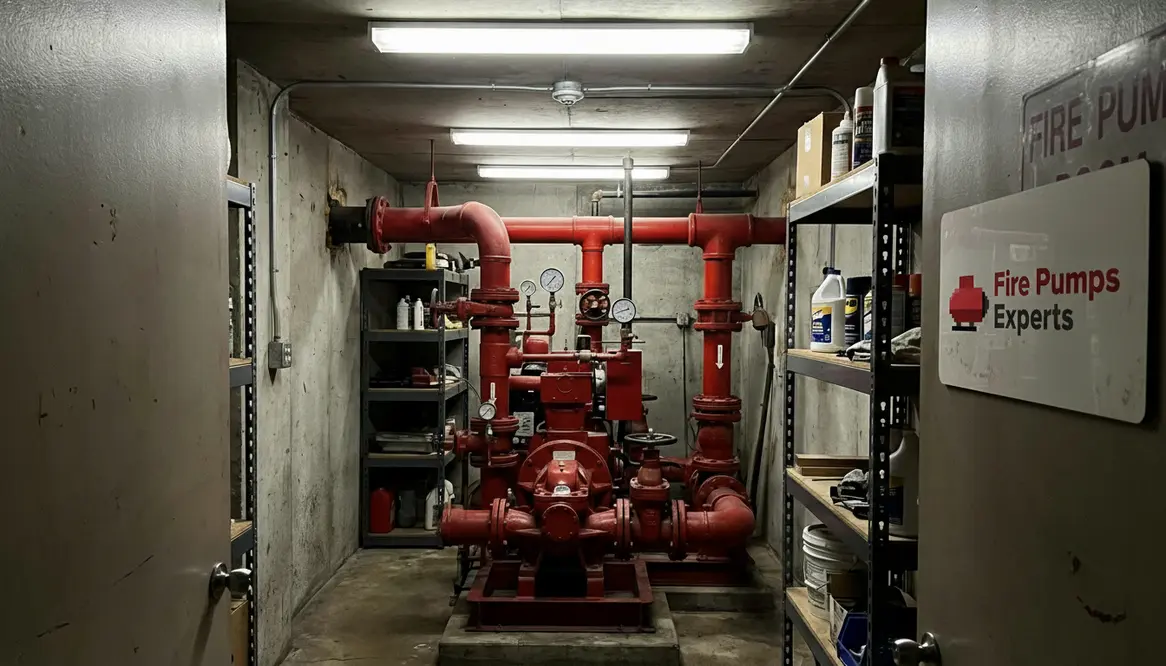
Now we arrive at the heartbeat of the operation. Fire Pump Systems for Motels do not get applause, and they certainly do not make it into guest reviews. Yet without them, sprinkler systems can fall short when demand spikes.
I like to explain it this way. Water supply without pressure is like coffee without caffeine. Technically present, but not doing the job. A properly designed fire pump ensures that water reaches every corner of the property with the force needed to suppress flames quickly.
However, not all systems are created equal. You need to consider peak demand scenarios, not just average use. Moreover, maintenance plays a quiet but critical role. A neglected pump is a liability hiding in plain sight. Regular testing, performance checks, and compliance reviews keep it ready for the one moment it truly matters.
And yes, if you are wondering, this is where many properties cut corners. That decision tends to age poorly.
Quick design checklist for Fire Pump Systems for Motels
- Confirm available water supply and worst-case demand.
- Size the pump for peak flow, not average comfort.
- Provide reliable power: utility plus generator where required.
- Ensure valves, gauges, and controllers are accessible and labeled.
- Document test procedures so staff are not guessing during inspections.
How do I design a layered fire protection strategy that actually works
I always approach fire safety as a layered system. No single component carries the whole burden. Instead, each layer supports the next.
First, detection systems must identify threats early. Then, suppression systems act immediately. After that, evacuation protocols guide people out safely. Finally, emergency response coordination ensures a smooth handoff to firefighters.
Here is where it gets interesting. Each layer must communicate effectively. For instance, alarms should trigger clear instructions, not confusion. Likewise, sprinklers should activate in sync with pressure support from your fire pump system.
Meanwhile, staff training ties everything together. Even the best technology can falter if people do not know how to respond. I have seen well equipped properties stumble simply because no one took charge in the first sixty seconds.
Key System Elements
- Detection sensors calibrated correctly
- Sprinkler coverage across all zones
- Reliable fire pump support
- Emergency lighting and signage
Operational Priorities
- Routine inspections and testing
- Staff drills and clear roles
- Fast communication protocols
- Coordination with local fire services
Common gaps I see during inspections and how to fix them
Let me be candid. Most issues I find are not dramatic failures. They are small oversights that quietly stack up.
For example, I often see outdated inspection logs. That might sound minor, but it signals deeper neglect. Additionally, partially blocked sprinkler heads show up more than you would expect. Apparently, decorations sometimes win over safety. Not ideal.
Another frequent issue involves inconsistent water pressure. This is where motel fire pump systems must be evaluated under real conditions. Testing during low demand hours does not tell the full story. You need performance data during peak usage.
Then there is communication. Emergency plans exist, yet staff cannot recall them. That gap turns a manageable situation into chaos. The fix is simple in theory. Regular drills. Clear documentation. Repetition until it becomes second nature.
And yes, I do recommend occasional surprise drills. Nothing reveals the truth faster than catching everyone off guard. Think of it as a fire safety plot twist.
Fast fixes that actually move the needle
- Walk every corridor and clear obstructions from sprinklers and exits.
- Update inspection logs and schedule recurring reminders.
- Run a short staff refresher on alarm responses this week, not “sometime soon.”
- Schedule a performance test of your fire pump during a busy occupancy window.
Fire Pump Systems for Motels in long term risk management
When I think long term, I think reliability over years, not months. Fire Pump Systems for Motels must operate consistently across changing conditions. Equipment ages. Demand shifts. Regulations evolve.
Therefore, I encourage property owners to view these systems as investments, not expenses. Upgrades, monitoring technology, and professional servicing all contribute to long term stability.
Additionally, integration with modern building systems adds another layer of confidence. Smart monitoring can alert you to pressure drops or mechanical issues before they become emergencies. It is like having a quiet guardian that never sleeps.
And if that sounds a bit like science fiction, well, we are not far from it. The difference is, this tech actually saves lives.
Long game strategy for Fire Pump Systems for Motels
- Map a replacement and upgrade timeline rather than waiting for failures.
- Integrate pump monitoring into your building management system where possible.
- Budget annually for testing, maintenance, and training, not just capital projects.
- Use reputable resources such as https://firepumps.org to stay current on best practices.
FAQ
Final thoughts that move you to act
Fire safety is not a box to check. It is a system you live with every day, quietly protecting every guest who walks through your doors. When you invest in stronger design, reliable maintenance, and dependable Fire Pump Systems for Motels, you build more than compliance. You build confidence. Take the next step, review your systems, and bring in experts who understand commercial scale protection. Because when the moment comes, readiness is everything.