Fire Pump Requirements for Courthouse Annexes Guide
A practical, field-tested look at how courthouse annexes keep fire protection strong, silent, and ready.
I have spent enough time around civic buildings to know one truth. When people gather for public service, safety cannot be an afterthought. It must be built into the bones of the structure. That is where Fire Pump Requirements for Courthouse Annexes come into play. These systems are not just mechanical add ons. They are the quiet guardians that stand ready when everything else goes loud. And yes, while fire pumps may not get the Hollywood spotlight, they do deserve a slow nod of respect. After all, no one ever said, “Wow, that fire pump saved the day,” but it often does.
What fire compliance looks like in attached civic occupancies
Attached civic occupancies bring a unique challenge. You have multiple functions sharing one structure. A courthouse annex might sit beside administrative offices or public service departments. Because of this, I treat fire compliance as a connected system rather than isolated pieces.
First, I ensure that fire protection systems communicate across spaces. A fire in one section should not feel like a surprise to another. Then, I look at occupancy loads. Civic buildings often fluctuate throughout the day, which means protection systems must handle peak conditions, not average ones.
Moreover, separation barriers, fire rated walls, and controlled access points matter. However, these physical features only go so far. Active systems, especially fire pumps, carry the real weight when water pressure needs to meet demand fast.
Fire Pump Requirements for Courthouse Annexes and why they matter
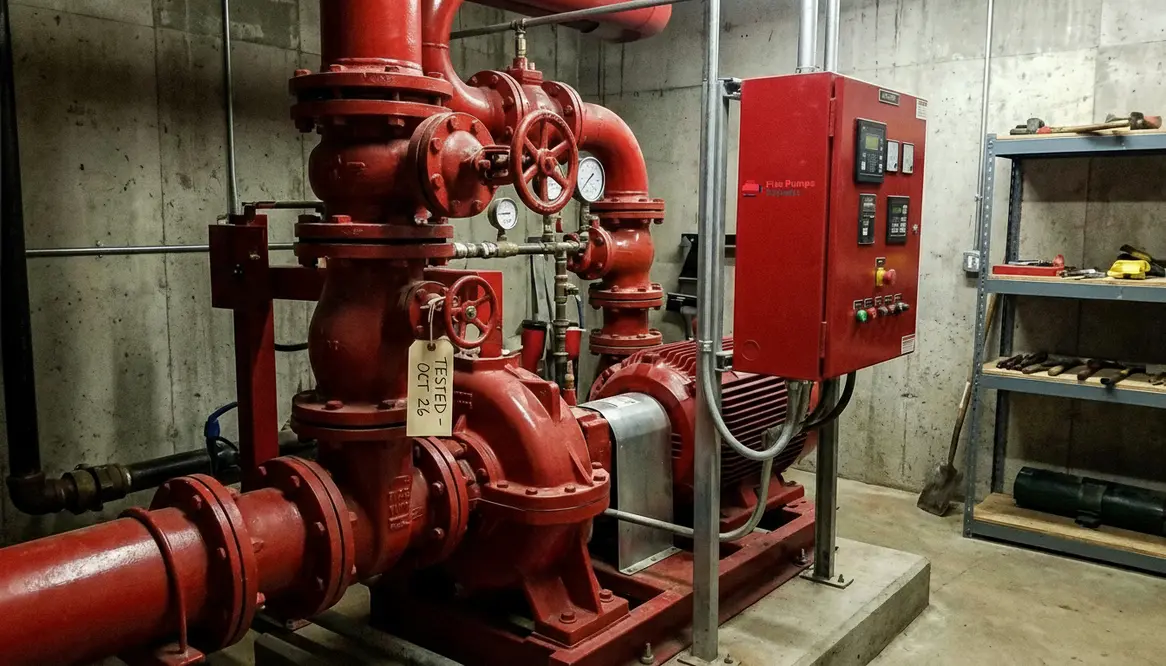
When I evaluate Fire Pump Requirements for Courthouse Annexes, I focus on reliability over everything else. These facilities cannot afford downtime. Court proceedings do not pause for low water pressure, and neither does fire.
So I look at three critical elements. First, pump capacity must match the building height and layout. Second, redundancy is key. A backup system is not a luxury here, it is a necessity. Third, I verify that power sources remain stable during emergencies. Because a fire pump without power is just an expensive paperweight.
Interestingly, courthouse annexes often expand over time. That means older systems may not meet current demand. I always recommend reassessing pump performance after any structural change. Think of it like upgrading your phone. Eventually, the old one just cannot keep up.
How do I ensure compliance across mixed use civic buildings
I start by aligning with national and local fire codes, but I do not stop there. Codes set the baseline, not the ceiling. Then, I conduct system integration checks. Fire alarms, sprinklers, and pumps must work together like a well rehearsed orchestra.
Additionally, I prioritize routine testing. Weekly churn tests and annual flow tests reveal problems before they become emergencies. And yes, paperwork matters. Documentation proves compliance and keeps everyone accountable.
Finally, I train facility teams. Even the best system fails if no one knows how to use it. A quick refresher session can make the difference between calm control and total chaos. And trust me, no one wants chaos in a courthouse.
Balancing performance and cost without cutting corners
I get it. Budgets exist. However, cutting corners on fire protection is like skipping brakes to save money on a car. It might seem fine until it really is not.
Smart investments I recommend
- High efficiency fire pumps with scalable capacity
- Automated monitoring systems
- Durable piping materials for long term use
Common mistakes I avoid
- Undersized pumps for growing facilities
- Ignoring backup power solutions
- Delaying inspections to save short term costs
In my experience, spending wisely upfront reduces long term expenses. Plus, it keeps inspections smooth and stress levels low. And if you have ever sat through a failed inspection, you know it feels longer than a three hour courtroom drama.
Fire Pump Requirements for Courthouse Annexes in modern infrastructure planning
Today, I see more civic projects integrating fire protection early in the design phase. That is a welcome shift. When Fire Pump Requirements for Courthouse Annexes are considered from day one, everything fits better. Space allocation, water supply lines, and electrical support all align.
Furthermore, smart technology is changing the game. Remote monitoring allows teams to track pump performance in real time. If something drifts out of range, alerts go out immediately. It is like having a digital watchdog that never sleeps.
Also, sustainability now plays a role. Efficient pumps reduce energy use while maintaining performance. So yes, you can protect people and still respect the power bill.
If you want a deeper technical breakdown or example layouts that align with typical Fire Pump Requirements for Courthouse Annexes, you can review additional guidance at https://www.firepumps.org.
Why Annexes Cannot Afford Weak Fire Protection
Courthouse annexes often carry the same public expectations as the main courthouse but with less glamorous square footage. They host jury assembly rooms, clerk counters, probation offices, meeting rooms, and storage areas packed with records people care deeply about. The moment a crowd forms or sensitive documents move into a building, Fire Pump Requirements for Courthouse Annexes move from “nice to have” to “non negotiable.”
Annexes also see a strange mix of use: quiet file rooms beside public queues, secured spaces beside open lobbies. That blend makes consistent water supply and dependable pump performance essential. Fire does not respect floor plans, so the protection strategy cannot either.
FAQ
Final thoughts and next steps
Fire compliance in attached civic occupancies is not just about meeting code. It is about protecting people, property, and public trust. If you manage or design large civic facilities, now is the time to evaluate your systems. Take a closer look at your fire pumps, your testing routines, and your long term plans. When everything works together, safety becomes second nature. And that is exactly how it should be.