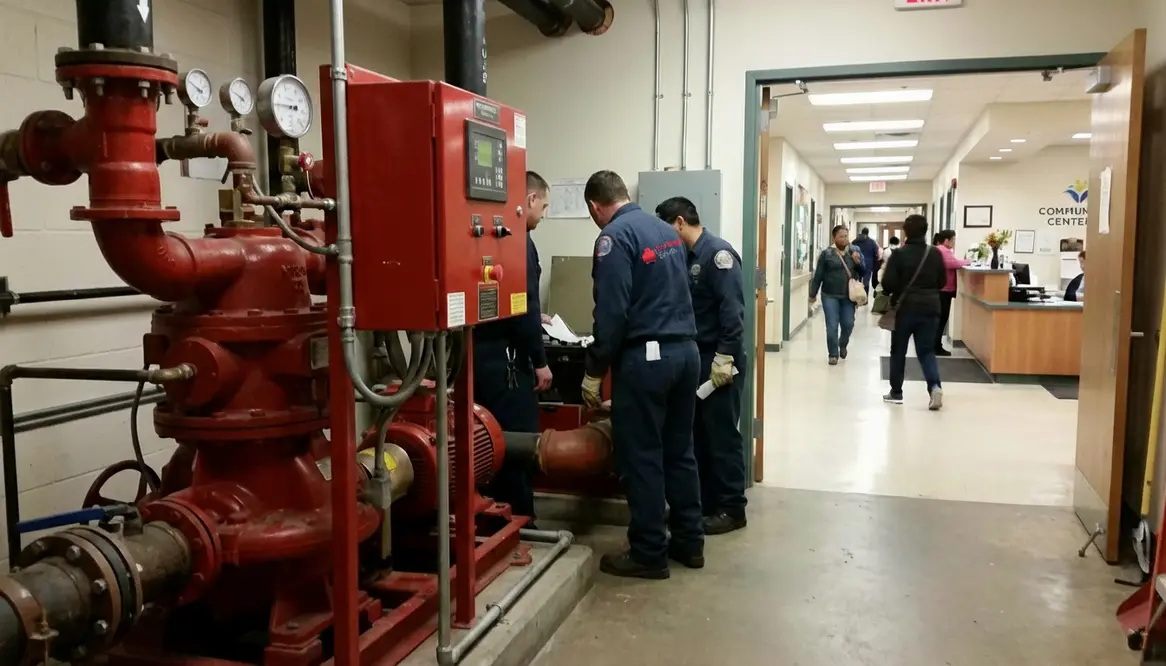
Fire Pump Systems for Social Services Buildings
I have spent enough time around commercial buildings to know one thing for certain. Fire does not negotiate. It does not care if the building houses a city office, a courthouse, or a social services hub helping thousands of people each week. That is exactly why I always emphasize the role of Fire Pump Systems for Social Services Buildings early in any conversation about safety. Within the first few moments of an emergency, these systems step in quietly but decisively, delivering the pressure needed to keep water moving where it matters most. And yes, much like a good stage manager, they do their best work behind the scenes.
Now, let me walk you through what truly matters when protecting public service facilities, because while the topic may sound dry, the stakes are anything but.
Why Fire Protection in Public Facilities Demands More Than Basics
Understanding the environment you are protecting
Public service buildings operate with constant foot traffic, diverse occupants, and often complex layouts. Therefore, I approach their fire protection needs with a higher level of scrutiny. Unlike a simple office space, these facilities may include waiting areas, records rooms, and secure zones. Each space presents a unique risk profile.
Why response time changes the equation
Moreover, response time becomes critical. Fire departments do incredible work, but even a few minutes can feel like a lifetime during an emergency. That is where integrated suppression systems come into play. They act immediately, reducing risk before external help arrives.
And let us be honest for a moment. If a building serves the public, it carries a responsibility that goes beyond profit margins. It carries trust. I prefer systems that honor that responsibility without hesitation.
How Fire Pump Systems for Social Services Buildings Support Life Safety
Keeping water pressure where it needs to be
When I evaluate a facility, I look closely at water pressure consistency. Municipal supply alone often falls short, especially in larger or multi story properties. That is where Fire Pump Systems for Social Services Buildings become essential.
These systems boost water pressure so sprinklers and standpipes perform exactly as designed. Without them, even the best sprinkler layout can underperform. And that is a risk I never recommend taking.
Smart monitoring for critical infrastructure
Additionally, modern fire pump solutions integrate with monitoring systems. As a result, facility managers receive alerts in real time. This allows for faster maintenance response and reduces downtime. It is a bit like having a smoke detector that also texts you before things go wrong. Convenient, right?
What Should I Include in a Fire Protection Plan for Public Buildings?
Building a layered strategy instead of a single line of defense
I get this question often, and I appreciate its simplicity. A strong plan includes layered protection, not just one solution doing all the work.
First, I ensure there is a reliable water supply system, supported by fire pumps where needed. Next, I look at detection systems that can quickly identify smoke or heat. Then, I consider suppression systems that activate automatically.
However, planning does not stop at equipment. Training staff plays a major role. People need to know evacuation routes and basic response steps. After all, even the best system cannot guide someone out of a building.
Finally, regular inspections tie everything together. Without maintenance, even top tier systems lose reliability over time. And no one wants surprises during an emergency.
Balancing Compliance, Cost, and Long Term Reliability
Looking beyond the price tag on installation day
Now here is where things get interesting. Many decision makers focus heavily on upfront costs. I understand that instinct. Budgets matter. However, cutting corners on fire protection often leads to higher expenses later.
Instead, I recommend focusing on lifecycle value. A well designed system lasts longer, performs better, and reduces the likelihood of costly damage. In other words, it pays for itself in peace of mind.
Why code compliance is not optional
Additionally, compliance with local codes is non negotiable. Regulations exist for a reason, and they evolve over time. Keeping systems updated ensures both safety and legal protection. Think of it as keeping your software updated, except the stakes are much higher than a frozen screen.
Key Considerations
- System durability
- Ease of maintenance
- Integration with alarms
- Energy efficiency
Common Pitfalls
- Undersized pumps
- Irregular inspections
- Outdated components
- Poor system design
Designing Systems That Work When It Matters Most
Quiet during the day, flawless under pressure
I always say that a fire protection system should feel almost invisible during normal operations. However, in an emergency, it must perform flawlessly. That level of reliability comes from thoughtful design.
For example, I consider building size, occupancy type, and water demand. Then, I align those factors with the right pump capacity and system layout. Each decision builds toward a system that responds instantly and effectively.
Redundancy as a design principle
Furthermore, redundancy adds another layer of security. Backup power sources and secondary pumps ensure operation even during unexpected failures. Because let us face it, emergencies rarely arrive at convenient times.
Maintaining Performance Over Time
Testing, tuning, and trusting your system
Even the best systems need attention. I encourage routine testing and inspections to keep everything running smoothly. This includes checking pump performance, verifying pressure levels, and ensuring all components function correctly.
Additionally, documentation matters more than most people realize. Keeping accurate records helps identify trends and prevent future issues. It also supports compliance efforts during audits.
And yes, maintenance may not be glamorous. It will not win any awards or make headlines. But it quietly protects lives and property every single day. That is a trade I will take any time.
FAQ: Fire Protection for Public Service Facilities
Conclusion
When I think about protecting public service facilities, I think about responsibility. These buildings serve communities, and they deserve systems that perform without hesitation. If you are planning upgrades or designing a new facility, now is the time to act. Invest in solutions that deliver reliability, efficiency, and long term value. Connect with experts who understand commercial scale protection and ensure your building stands ready when it matters most. For additional technical perspectives on fire pumps and water supplies, resources such as https://firepumps.org can be a helpful starting point as you evaluate options.