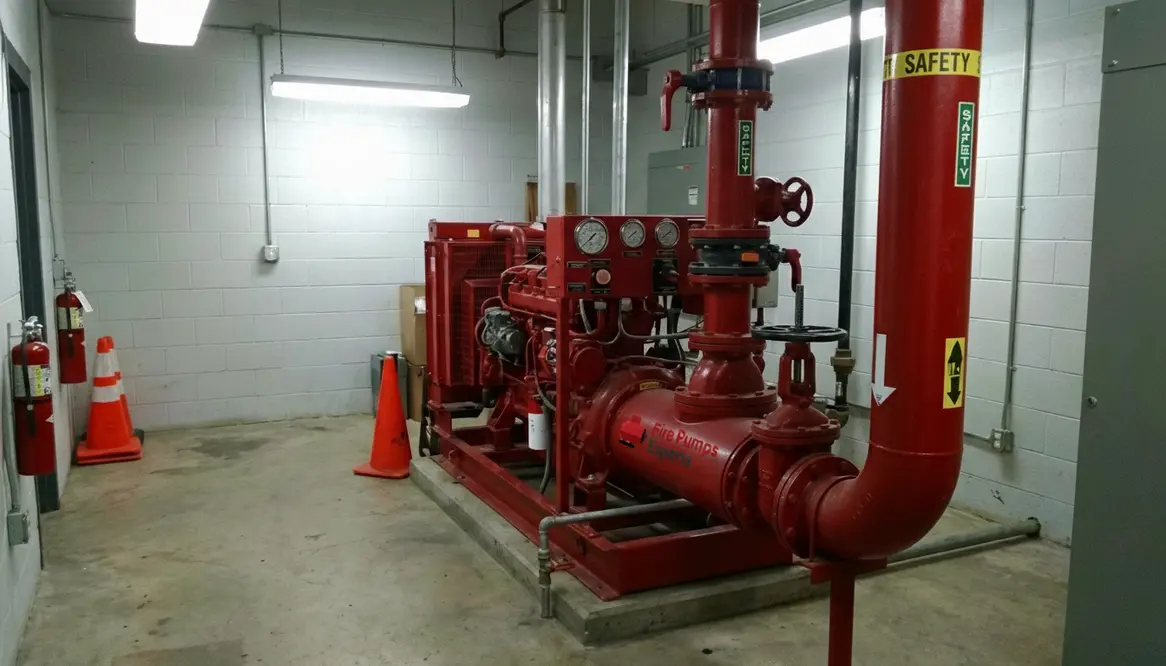
Fire Pump Requirements for Government Offices
How modern codes, hidden risks, and smart design decisions shape Fire Pump Requirements for Government Office Buildings and the safety of everyone who works inside them.
I have walked through more government buildings than I can count. Federal, state, local. Each one hums with purpose, paperwork, and yes, risk. Fire safety is not the kind of thing people chat about over coffee, yet it quietly stands guard over every file, server, and human life inside those walls. That is where Fire Pump Requirements for Government Office Buildings enter the story. They are not just codes on paper. They are the unseen muscle behind a building’s ability to respond when things go wrong. And trust me, when alarms sound, you want strength, not guesswork.
Behind every calm corridor and quiet office is a network of valves, pipes, sensors, and pumps. Most people never see them, and that is exactly how it should be. The better the design and maintenance, the more boring the story becomes: fires stay small, sprinklers work, people go home. That is the real success metric.
Why fire safety in government offices demands more than the basics
Government facilities carry a different kind of weight. They store sensitive records, critical infrastructure controls, and often house large numbers of employees and visitors. Because of that, I never treat fire protection as a checklist item. Instead, I see it as a system that must perform under pressure.
Moreover, these buildings often operate around the clock. That means systems must remain reliable without pause. A fire pump, for instance, is not just a backup. It is the heart of water based suppression. Without it, sprinklers are just decorative plumbing. And nobody wants that kind of interior design choice.
Additionally, compliance is not optional. Federal and state regulations demand precision. However, meeting the minimum is not always enough. The smartest facilities go beyond, building layers of protection that anticipate problems before they spark.
Fire Pump Requirements for Government Office Buildings are shaped by occupancy type, building height, water supply reliability, and risk tolerance. When leaders understand that, they stop asking “What is the minimum?” and start asking “What will actually work when everything is going wrong?”
Fire Pump Requirements for Government Office Buildings explained simply
Let me break it down in plain terms. A fire pump ensures water flows at the pressure needed to control or extinguish a fire. Sounds simple, right? Yet the details matter.
First, the pump must match the building’s size and hazard level. A small municipal office does not need the same capacity as a federal headquarters, but both must meet strict standards. Then, there is redundancy. Many codes require backup power sources, because relying on the main grid during a fire is like trusting your phone battery at one percent.
Furthermore, placement plays a role. Pumps must sit in protected environments, shielded from flooding, freezing, and structural damage. I have seen poorly placed systems fail before they even had a chance to help. That is not a lesson anyone wants to learn twice.
Finally, regular testing keeps everything honest. Weekly churn tests and annual flow tests are not suggestions. They are the difference between readiness and regret. Fire Pump Requirements for Government Office Buildings usually tie these test intervals directly to codes, insurance expectations, and the building’s own risk profile.
What systems should every government facility include?
If I were setting up a government office from scratch, I would not cut corners. Instead, I would build a layered defense that works together like a well rehearsed orchestra.
Core fire protection systems
- Automatic sprinkler systems with reliable water supply
- Fire pumps designed for high demand scenarios
- Fire alarm and detection systems with clear alerts
- Emergency lighting and exit signage
Support and safety enhancements
- Smoke control systems to manage airflow
- Fire rated construction materials
- Routine inspection and maintenance schedules
- Staff training and evacuation planning
When these elements work together, response becomes faster and more controlled. Without them, even a small fire can turn into a headline nobody wants to read. This is where Fire Pump Requirements for Government Office Buildings quietly shape layout decisions, water storage strategies, and how confidently people can work inside those walls.
How I approach inspections and ongoing compliance
I like to think of inspections as storytelling. Every system tells me how well it has been treated. A clean, well maintained pump room says one thing. Dust, corrosion, and neglected gauges tell another.
Therefore, I always start with documentation. Records reveal patterns. Missed tests, delayed repairs, or inconsistent results raise quiet red flags. Then, I move to physical checks. I listen to the pump. I watch pressure readings. I look for leaks or vibration.
Meanwhile, compliance is not static. Codes evolve, and so must buildings. Upgrades are not just about avoiding fines. They are about staying ready for risks that change over time. Think of it like updating software, except the consequences are far more serious than a frozen screen.
Common mistakes I see and how to avoid them
Even well funded facilities slip up. It happens more often than you would think.
First, some rely too heavily on initial installation quality. A great system today can fail tomorrow without maintenance. Second, others underestimate training. Staff may not know how to respond, which slows everything down. And in emergencies, seconds feel like hours.
Another common issue involves ignoring small warning signs. A slight drop in pressure or an unusual noise might seem harmless. However, those clues often point to bigger problems waiting to surface.
To avoid these pitfalls, I recommend consistency. Regular testing, clear protocols, and experienced service providers make all the difference. It is not glamorous work, but then again, neither is putting out fires. Unless you are in an action movie, and even then, I would still prefer a working sprinkler system.
Fire Pump Requirements for Government Office Buildings in modern infrastructure
Today’s government buildings are smarter, more connected, and more complex. As a result, fire protection systems must keep pace. Integration with building management systems allows real time monitoring and faster response.
Additionally, energy efficiency has entered the conversation. Modern fire pumps can operate with improved efficiency while still meeting strict performance standards. That balance matters, especially in large scale facilities where operational costs add up quickly.
At the same time, resilience remains the priority. Natural disasters, power outages, and unexpected failures all test a system’s strength. Therefore, redundancy and durability are no longer optional features. They are essential.
When technology, risk, and regulation collide, Fire Pump Requirements for Government Office Buildings stop being abstract rules and start becoming design decisions: diesel versus electric, static tank versus municipal supply, single pump versus a fully redundant arrangement that can keep flowing even when parts of the building are compromised.
FAQ
Conclusion
Fire safety in government offices is not just about meeting codes. It is about protecting people, operations, and public trust. If you manage a large facility, now is the time to review your systems, especially your fire pump setup. Partner with experts who understand complex commercial environments and can keep everything running smoothly. Visit https://firepumps.org to ensure your building is ready before it ever needs to prove it.