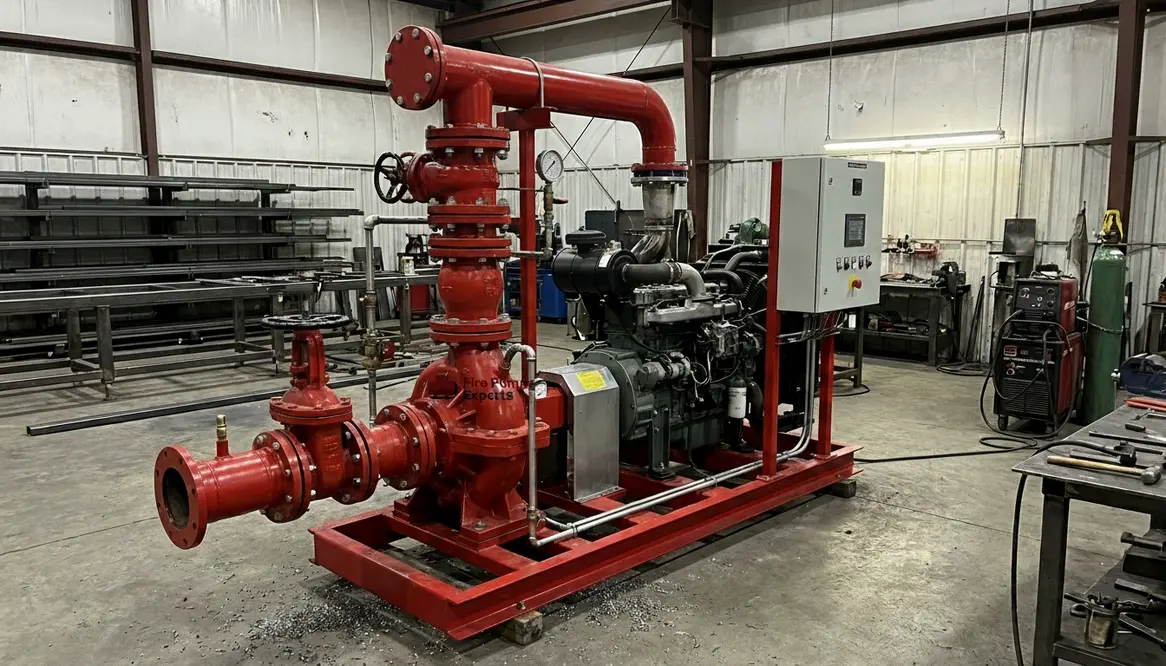
Fire Pump Requirements for Fabrication Shops
Practical guidance for keeping high-heat, high-risk fabrication environments protected when fire tries to take center stage.
I have spent years around loud machinery, flying sparks, and the kind of heat that makes steel bend to its will. In that world, Fire safety for metal or custom fabrication spaces is not a side note. It is the main act. Fabrication shops are built on precision, but fire does not care about precision. It moves fast, feeds on scraps, and turns minor oversights into major losses. So today, I am going to walk you through fire pump requirements in a way that feels less like a code manual and more like a calm, steady voice guiding you through the noise.
What Fire Pump Requirements Actually Mean for Fabrication Shops
Let me answer this the way most people would type it into a search bar. Fire pump requirements for fabrication shops are the standards that ensure water flows fast and strong enough to control a fire before it spreads. Simple idea, serious execution.
In industrial settings, especially those dealing with welding, cutting, and grinding, fire pumps serve as the backbone of suppression systems. They boost water pressure when municipal supply falls short. And trust me, in a high heat environment filled with combustible dust and metal shavings, “short” is not a word you want anywhere near your water pressure.
Because fabrication facilities often operate large floor plans, the system must deliver consistent flow across long distances. That means proper sizing, reliable power sources, and routine testing. Otherwise, your system becomes more decorative than functional. And no one wants a fire pump that just sits there looking pretty like it is posing for a catalog.
Fire Safety for Metal or Custom Fabrication Spaces: Core System Components
Now let us break this down into what actually matters inside your system. Every component plays a role, and skipping one is like trying to build a car and forgetting the brakes.
Essential Components
- Fire pump unit sized for hazard level
- Reliable water supply connection
- Controller with automatic start
- Backup power source
- Pressure relief valves
Why They Matter
- Handles high demand from industrial hazards
- Ensures uninterrupted water flow
- Activates without human delay
- Keeps system running during outages
- Prevents system overpressure damage
Each piece works together. When one fails, the entire system weakens. And in fabrication environments, weakness is not something you can afford.
How Do I Size a Fire Pump for a Fabrication Facility?
This is where things get real. Sizing a fire pump is not guesswork. It depends on hazard classification, building size, and the type of fire protection system installed.
Fabrication shops often fall under high hazard industrial classifications. That means higher gallons per minute requirements and stronger pressure demands. For example, systems supporting sprinkler networks or foam suppression setups must meet peak flow scenarios, not average ones.
Additionally, you need to account for simultaneous operations. If multiple zones activate, your pump must keep up. Otherwise, you end up playing a dangerous game of “which fire gets water first,” and that is not a game anyone wins.
Real-world sizing mindset
So yes, calculations matter. And cutting corners here is like using duct tape to fix a hydraulic press. It might hold for a second, but it is not going to end well.
Power Supply and Reliability in Industrial Fire Pump Systems
Keeping pumps alive when power drops
Let me say this clearly. A fire pump that loses power during an emergency is about as useful as a flashlight with dead batteries. Reliability is everything.
That is why most industrial fire pump systems rely on either diesel engines or dual power sources. Electric pumps are common, but they must include backup generators. Diesel pumps, on the other hand, offer independence from electrical failures.
Automatic response and testing
Moreover, automatic start systems ensure immediate response. There is no time for someone to flip a switch while alarms are blaring and sparks are flying.
And yes, regular testing is not optional. Weekly churn tests and annual flow tests confirm the system performs under pressure. Think of it like a dress rehearsal, except the stakes are much higher and there is no audience applause at the end.
Maintenance Expectations for Long Term Fire Protection
Even the best system will fail if ignored. Maintenance keeps everything ready, responsive, and compliant.
In fabrication environments, dust and debris can interfere with components. Valves can stick. Sensors can drift. Over time, small issues grow into major risks.
Structured care for critical equipment
So I always recommend a structured maintenance schedule that includes inspections, performance testing, and component servicing. Additionally, documentation matters. Inspectors and insurers want proof that your system is not just installed, but actively maintained.
Because at the end of the day, a fire pump is not a “set it and forget it” piece of equipment. It is more like a high performance engine. Treat it well, and it will show up when you need it most.
Fire Safety for Metal or Custom Fabrication Spaces: Compliance and Codes
Let us talk about rules. Not the fun kind, but the necessary kind.
Fire pump installations must comply with standards like NFPA 20, along with local fire codes. These guidelines define everything from installation practices to testing procedures.
For fabrication shops, compliance also means aligning with broader fire protection strategies. That includes sprinkler systems, alarm integration, and hazard specific suppression methods.
Performance over paperwork
And here is the thing. Inspectors do not grade on effort. They grade on results. So meeting code is not about checking boxes. It is about creating a system that performs under real world conditions.
Or, to put it in simpler terms, you do not want your fire protection plan to feel like a movie sequel that did not live up to the original. Nobody wants that kind of disappointment when it counts.
If you are serious about Fire safety for metal or custom fabrication spaces, codes are your floor, not your ceiling. Use them as a baseline, then design to the real hazards you face on your shop floor.
Designing Fire Protection Around Real Fabrication Risks
Not every fabrication shop looks or behaves the same. Some are cutting thick plate all day, others are welding pipe spools, and some are buried in custom one-off builds. The fire pump, though, has to be ready for all of it.
Big hazards that shape your pump decisions
- Hot work everywhere: welding, torch cutting, grinding, gouging
- Combustible dust from cutting, blasting, and finishing operations
- Storage of oils, coatings, and flammable liquids near production
- Stacked raw materials and finished goods that can trap heat and smoke
Every one of those raises the stakes for your fire pump performance. When you zoom out, Fire safety for metal or custom fabrication spaces becomes a whole-plant strategy, not a corner in the mechanical room.
Bringing It All Together On Your Shop Floor
If you want a rough mental checklist as you walk your shop, think in layers:
- Is the fire pump sized for the real hazard, not just the square footage on paper?
- Does the power setup keep the pump running when the lights go out?
- Are testing, maintenance, and documentation happening on a schedule, not “when someone remembers”?
- Do your suppression systems and alarms actually match the way work is done in the building?
If any of those answers feel shaky, it is a good time to bring in specialists who work with industrial systems every day. An experienced team can help align pump capacity, piping, and suppression layouts with the harsh reality of your production work.
You can also learn more about how professional-grade pumps support large facilities at https://firepumps.org. Information like that, backed by proper design and testing, supports meaningful Fire safety for metal or custom fabrication spaces, not just a box checked during permitting.
FAQ: Fire Pump Requirements for Fabrication Shops
Below are some quick answers to questions that come up constantly when people start taking Fire safety for metal or custom fabrication spaces seriously.
Conclusion: Take Fire Protection Seriously Before It Gets Serious
If you run or manage a fabrication facility, now is the time to evaluate your fire pump system with fresh eyes. Strong design, proper sizing, and routine maintenance are not optional. They are essential. Work with professionals who understand industrial risks and compliance requirements. Because when heat, sparks, and pressure come together, preparation is the only thing standing between control and chaos. And in this line of work, control is everything.