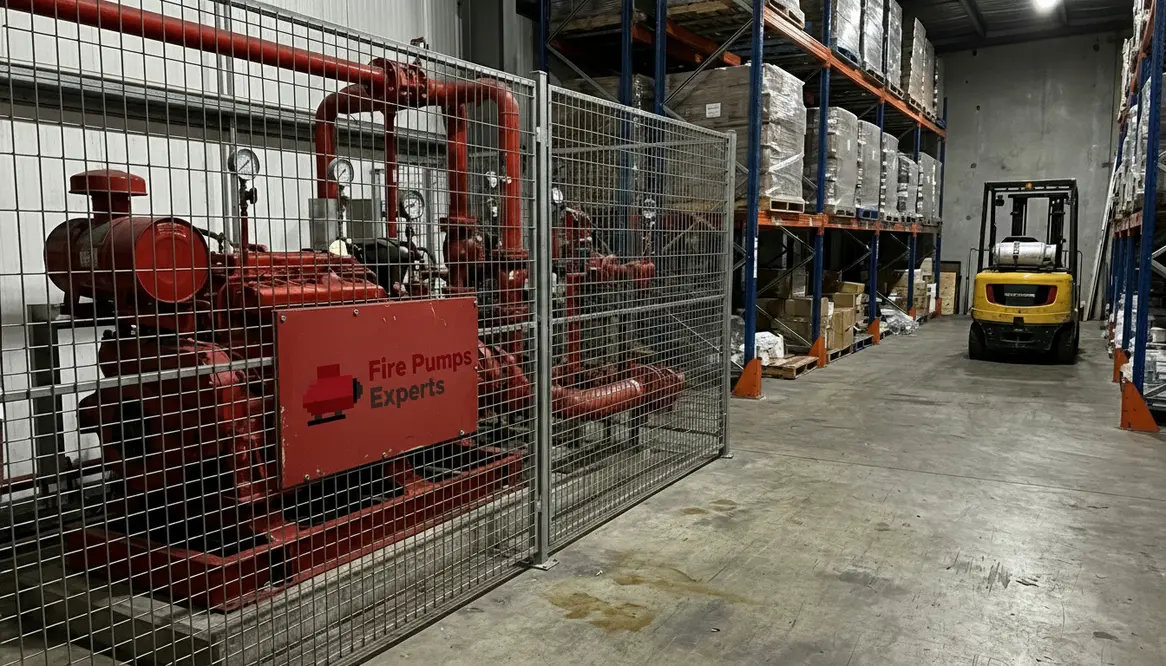
Fire Pump Requirements for Logistics Facilities
I have spent years walking through large facilities where time moves on forklifts and inventory flows like a living organism. In those spaces, fire safety is not just a code requirement. It is a quiet guardian. And yes, even when I talk about shopping mall fire protection, the lessons carry straight into logistics facilities. The stakes are similar. High occupancy. High value. High risk. So today, I will walk you through fire pump requirements in a way that feels less like a manual and more like a steady voice guiding you through the noise.
What fire pump requirements matter most for logistics facilities?
Let me answer this plainly. Fire pumps ensure water reaches every critical point, even when municipal supply falls short. In logistics facilities, that shortfall happens more often than people expect. Therefore, I focus on three pillars. Capacity, reliability, and compliance.
First, capacity must match hazard classification. High piled storage demands higher flow rates. Secondly, reliability means redundancy and consistent testing. A fire pump that fails during an emergency is like a superhero who forgot their cape. Technically present, but not very helpful. Finally, compliance ties everything together through NFPA standards and local codes.
Moreover, I always recommend diesel or electric pumps based on site conditions. If power reliability is questionable, diesel becomes your best friend. However, if emissions and maintenance are concerns, electric often wins the day.
Understanding hazard levels and system demand
Not all logistics facilities are created equal. Some store paper goods. Others house lithium batteries that behave like they have a personal grudge against firefighters. Because of this, I always start with hazard classification.
For example, Class I through IV commodities require different suppression strategies. As storage height increases, water demand climbs sharply. Consequently, fire pumps must compensate for both vertical reach and system pressure loss.
In addition, ceiling height, rack configuration, and aisle width all influence design. I have seen facilities underestimate this, and the result is a system that looks impressive on paper but struggles in reality. And reality, as we know, does not grade on a curve.
Core fire pump components and how I evaluate them
Driver type
Electric or diesel. I match it to site risk and power stability.
Controller
This is the brain. It must respond instantly and operate under stress.
Jockey pump
Maintains pressure without engaging the main pump. Think of it as the system’s calm caretaker.
Suction supply
A strong pump means nothing without reliable water supply.
Discharge piping
Proper sizing prevents pressure loss and ensures consistent flow.
Testing connections
These allow regular verification. Because hope is not a testing method.
Each component plays a role, and I treat the system like an orchestra. If one instrument is off, the whole performance suffers.
How does design differ from shopping mall fire protection?
This is where things get interesting. While shopping mall fire protection focuses on occupant safety and open spaces, logistics facilities lean heavily into storage density and vertical challenges.
In malls, I often prioritize wide coverage and evacuation flow. In logistics centers, I focus on penetration and sustained pressure. The fire pump must push water higher, farther, and longer. Additionally, commodity type drives design more aggressively in warehouses than in retail spaces.
However, both share a need for reliability and code compliance. Fire does not care whether it is near a food court or a pallet rack. It only cares about fuel and opportunity.
Testing, maintenance, and long term performance
Even the best system will fail without proper care. Therefore, I always stress routine testing. Weekly churn tests. Monthly inspections. Annual flow testing. These are not optional.
Moreover, maintenance teams must understand the system. I have seen facilities invest heavily in installation but neglect training. That is like buying a sports car and never learning how to drive it.
Documentation also matters. Clear records ensure compliance and help diagnose issues early. In addition, predictive maintenance tools can identify wear before it becomes failure.
Common mistakes I see and how to avoid them
Let me save you some trouble. Underestimating demand is the most common mistake. People assume municipal supply will cover the gap. It often does not.
Another issue is poor layout coordination. Fire pump rooms get squeezed into leftover space. Consequently, access and ventilation suffer. That creates long term problems.
Finally, skipping system integration leads to inefficiencies. Fire pumps must work seamlessly with sprinklers, alarms, and backup systems. When they do not, response time suffers. And in fire protection, seconds matter more than opinions.
Linking logistics facilities and shopping mall fire protection
The more I work in logistics, the more I see echoes of shopping mall fire protection strategies shaping decisions in large storage environments. Both worlds demand dependable evacuation routes, clear alarm communication, and water supplies that do not flinch under stress.
Where malls care about shoppers, anchor tenants, and open atriums, warehouses care about operators, pickers, and high-piled racks. The faces and layouts change, but the core principle is the same: keep people safe and keep the building standing long enough for firefighters to finish the job. That is why lessons from shopping mall fire protection often guide how I size pumps, arrange fire pump rooms, and coordinate sprinkler demands in modern logistics hubs.
FAQ
Conclusion
When I design or evaluate fire pump systems, I think beyond compliance. I think about resilience, performance, and the quiet confidence that comes from knowing a system will work when everything else goes wrong. If you are planning or upgrading a logistics facility, now is the time to get it right. Reach out, ask the hard questions, and build a system that stands ready long before it is ever needed.