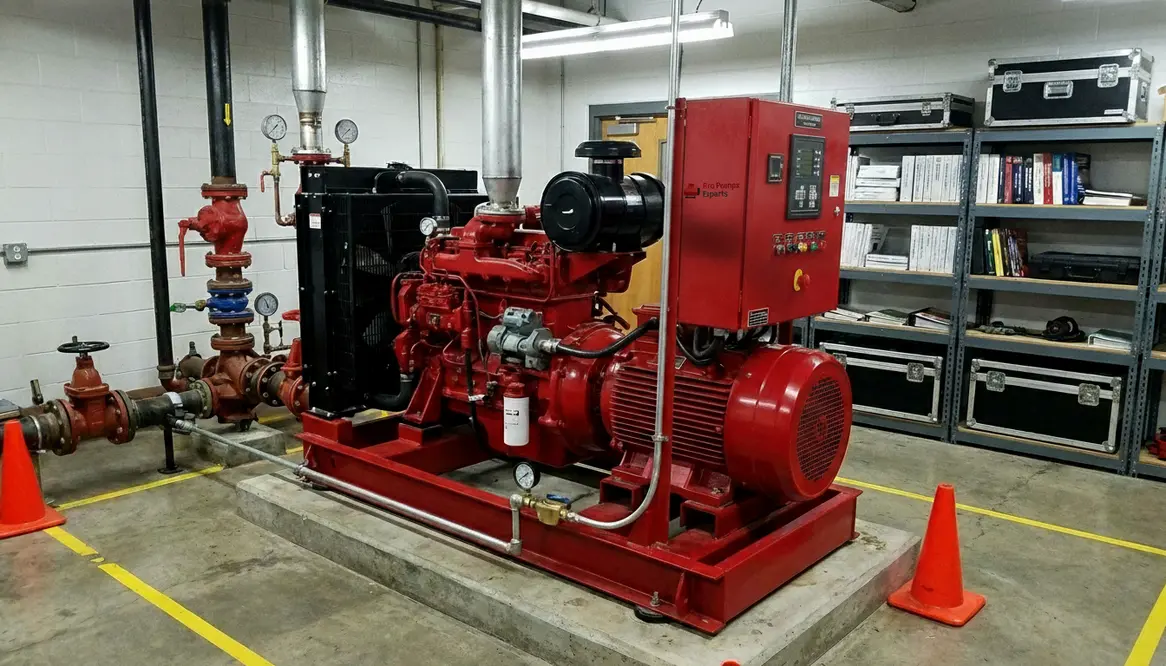
Fire Pump Requirements for Training Centers Guide
I have seen a lot of buildings in my time. Some hum with purpose. Others… well, they wait quietly for something to go wrong. When I talk about Fire Pump Requirements for Training Centers, I am talking about preparation that turns uncertainty into control. In instructional facilities, where people gather to learn, teach, and occasionally spill coffee on expensive equipment, fire protection is not optional. It is foundational. So today, I am going to walk you through how I approach fire pump planning for these environments, with a steady hand and just enough humor to keep us both awake.
How do I plan fire pump systems for instructional facilities?
I start with the simple truth that no two training centers behave the same. A technical lab filled with equipment draws different risks than a lecture hall packed with students. So first, I assess occupancy, layout, and hazard levels. Then, I align those realities with applicable codes like NFPA 20 and local regulations.
Next, I evaluate water supply. If the municipal system cannot deliver consistent pressure, I know a fire pump is not just helpful. It is essential. After that, I determine flow demand based on sprinkler systems and standpipes. This is where planning gets real. Numbers matter, but context matters more.
And yes, I always leave room for growth. Training centers expand. Programs evolve. If your fire pump system cannot keep up, it becomes yesterday’s solution to tomorrow’s problem.
Fire Pump Requirements for Training Centers: Core Design Considerations
When I design around Fire Pump Requirements for Training Centers, I focus on reliability first. A fire pump is not a decorative piece. It must perform under pressure, literally and figuratively.
What I prioritize in every design
Power supply: I prefer dual power sources whenever possible. Because relying on a single source during an emergency is like bringing one flashlight into a horror movie.
Pump type: Electric pumps are common, but diesel units offer independence. I choose based on risk tolerance and infrastructure.
Controller systems: Smart controllers provide diagnostics and alerts. They help facility managers stay ahead of issues instead of reacting to them.
Additionally, I ensure proper pump room conditions. Temperature control, ventilation, and accessibility all play a role. A poorly maintained pump room can quietly sabotage the entire system.
Balancing Compliance with Real World Function
Beyond just checking boxes
Codes give us the baseline. However, real world use gives us the full picture. I have seen facilities that meet every regulation and still struggle during testing. Why? Because compliance does not always equal performance.
So I go further. I simulate demand scenarios. I review peak occupancy patterns. I consider human behavior. For example, evacuation routes often intersect with high risk zones. That matters.
Moreover, I coordinate with architects and engineers early. Fire pump planning should not be an afterthought squeezed into leftover space. It deserves a seat at the table from day one.
Design Priorities vs Operational Realities
Design Priorities
Reliable water flow under peak demand
Redundant power systems
Code compliant installation
Operational Realities
Maintenance access often gets overlooked
Staff may lack technical training
Budget constraints shape long term performance
When I bridge these two sides, I create systems that not only pass inspection but also perform when it matters most.
Common Mistakes I Avoid in Fire Pump Planning
Lessons that shaped my approach
I have made mistakes in my career. Everyone has. The key is learning from them before they become expensive lessons.
One mistake I avoid is undersizing the pump. It might save money upfront, but it creates long term risk. Another is ignoring system testing requirements. A fire pump that has never been tested is like a parachute you have never opened. Not exactly comforting.
Additionally, I never overlook integration with building systems. Fire alarms, sprinklers, and pumps must work together. If they do not, the system becomes fragmented and unreliable.
And finally, I keep documentation clear and accessible. Because in an emergency, no one wants to decode a mystery novel disguised as a manual.
Fire Pump Requirements for Training Centers: Long Term Performance Strategy
Planning does not end after installation. In fact, that is where the real work begins. I always build a long term strategy that includes routine testing, inspections, and upgrades.
For training centers, this matters even more. These facilities operate daily, often at full capacity. Wear and tear is inevitable. So I schedule regular performance checks and ensure staff understand basic system functions.
Furthermore, I recommend working with specialized service providers who focus on commercial and industrial properties. They bring expertise that general maintenance teams often lack.
Because at the end of the day, a fire pump system is not just equipment. It is a promise. And promises need upkeep. When that promise is built on solid Fire Pump Requirements for Training Centers, you get protection that ages well instead of fading quietly into the background.
FAQ: Fire Pump Planning for Instructional Facilities
Conclusion
Fire pump planning is not just a technical task. It is a responsibility that protects people, property, and purpose. If you are managing or developing an instructional facility, now is the time to take action. Partner with experts who understand commercial scale systems and demand excellence. Visit https://firepumps.org to explore tailored solutions that meet your needs and exceed expectations. Because when it comes to fire protection, waiting is the one strategy that never works.