Fire Pump Room Code Requirements Guide for Safety
I have walked into enough mechanical rooms to know one truth. When a fire pump room is done right, nobody notices. When it is done wrong, everyone notices, usually during the worst possible moment. That is why fire pump room code requirements matter so much. They are not just lines in a manual. They are the quiet guardians that keep water moving, pressure steady, and chaos at bay when alarms start singing. So let me walk you through what every commercial and industrial facility should understand, without the dry lecture tone. Think of it as safety, with a side of common sense and just a pinch of humor.
What does a compliant fire pump room actually look like
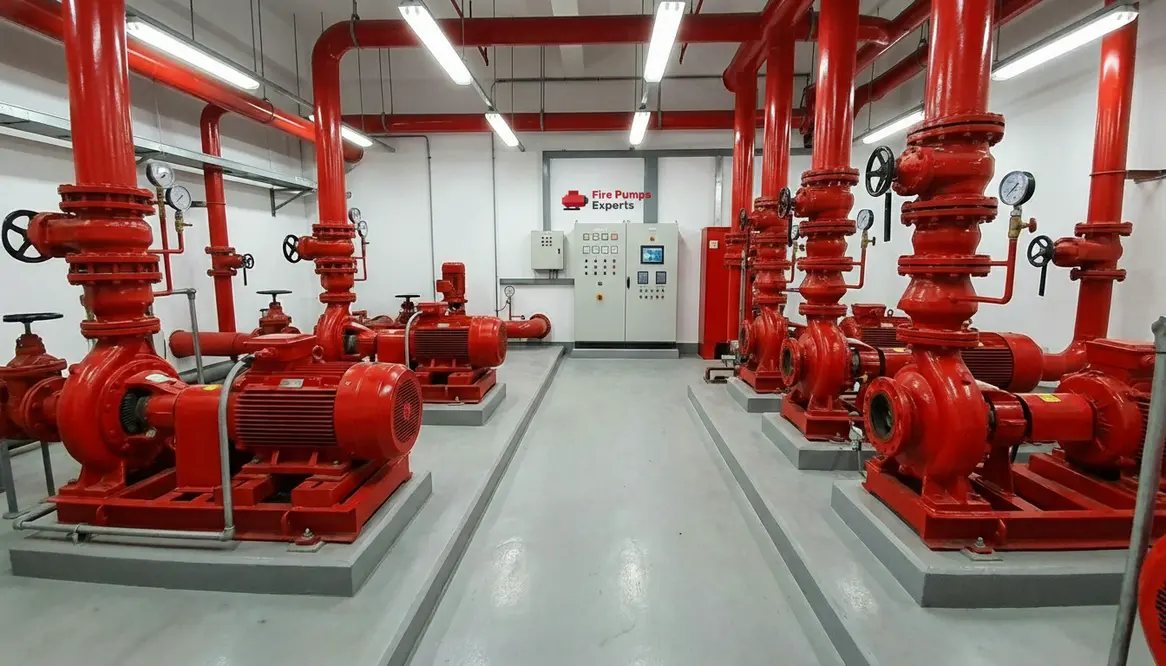
I like to picture a proper fire pump room as the control center of a spaceship. Not flashy, but everything has a purpose. First, the room needs to be dedicated. That means no storage, no forgotten boxes, and definitely no “we will just leave this here for now” situations. Because “for now” has a way of becoming permanent.
Additionally, access must stay clear at all times. Technicians need room to move, inspect, and repair. Codes also expect proper lighting, ventilation, and drainage. Without those, even the best equipment struggles. And yes, I have seen rooms where the only light source was a flickering bulb that looked like it belonged in a horror movie. Not ideal when you are dealing with life safety systems.
Finally, fire resistance is critical. The room should be enclosed with rated construction so the pump keeps running even if the surrounding area is compromised. In simple terms, the pump room must outlast the chaos around it.
Fire pump room code requirements for location and access
Location is not just about convenience. It is about survival. The codes expect the fire pump room to be placed where it remains accessible during emergencies. That usually means ground level or a protected area with direct exterior access.
However, access is not just about doors. The path to the room matters just as much. If someone has to navigate a maze of locked corridors or dodge stored equipment, you have already lost valuable time. And in fire scenarios, time is not a luxury.
Moreover, doors must open outward and remain unlocked or easily accessible. Panic hardware is not just a suggestion. It is a requirement. I have seen facilities treat these rules like optional side quests. They are not. They are the main storyline.
Power supply and reliability are non negotiable
If the fire pump loses power, the entire system becomes a very expensive decoration. That is why redundancy is built into most fire pump room code requirements. Facilities often need a reliable primary power source and, in many cases, a backup such as a generator or diesel driven pump.
Additionally, wiring must be protected against fire exposure. This ensures the pump continues operating even when conditions worsen. It is a bit like making sure your phone still works during a storm, except the stakes are much higher.
Routine testing also plays a role here. Even the best setup means little if it fails during a real event. So yes, those weekly or monthly tests matter, even if they feel repetitive.
How should I design the layout for efficiency and safety
Great question, because layout is where theory meets reality. A well designed pump room balances accessibility with protection. Equipment spacing is not random. It allows for maintenance, inspection, and quick response.
Key layout elements
- Clear working space around pumps and controllers
- Logical placement of valves and gauges
- Easy access to test headers
- Proper drainage to handle discharge
Common mistakes I see
- Overcrowded rooms with no service clearance
- Poor labeling that confuses operators
- Blocked access points
- Ignoring future maintenance needs
On the surface, these details seem small. However, during an emergency or inspection, they make all the difference. A clean, organized layout saves time and prevents errors.
Environmental conditions that keep systems running
Fire pumps are tough, but they are not invincible. Temperature control is one of the most overlooked factors. Rooms must stay warm enough to prevent freezing but not so hot that equipment overheats.
Ventilation also plays a role, especially for diesel driven pumps. Exhaust must be properly managed, or you are creating a whole new set of problems. And trust me, nobody wants their fire pump room doubling as a sauna.
Humidity control, drainage, and flood prevention are equally important. Water is your ally in firefighting, but it should not be pooling on your pump room floor.
Maintenance, inspections, and keeping compliance alive
Meeting fire pump room code requirements once is not the finish line. It is the starting point. Regular inspections ensure everything remains compliant and functional.
Technicians should check valves, controllers, alarms, and pump performance. Documentation matters too. If it is not recorded, it might as well not have happened in the eyes of an inspector.
Furthermore, training your team adds another layer of reliability. A well trained staff can spot issues early and respond quickly. Think of it as having a backup plan for your backup plan.
If you ever feel overwhelmed trying to match your internal procedures to actual fire pump room code requirements, bringing in a specialized fire protection company can close the gap and keep your system ready when it counts.
Need help applying fire pump room code requirements in the real world
Codes are one thing, but turning them into a pump room that actually works under pressure is another. If your building is in California and you want a team that lives and breathes this stuff, you can tap into specialists who design, test, and maintain fire pump systems every day.
For a deeper look at professional inspection, repair, and testing options that keep your pumps performing when alarms go off, explore this fire pump service overview from Kord Fire Protection. Pairing expert support with solid planning is one of the smartest ways to stay ahead of both inspectors and emergencies.
FAQ
Bringing it all together
I have seen facilities treat fire pump rooms as an afterthought, and I have seen others treat them like mission critical assets. The difference shows when it matters most. If you manage a commercial or industrial property, now is the time to evaluate your setup, tighten compliance, and eliminate risks.
Start by checking the basics against applicable fire pump room code requirements: dedicated space, clear access, power reliability, environmental control, and a layout that makes sense under stress. Then make sure maintenance, testing, training, and documentation are not just “on the list” but actually happening.
Partner with specialists who understand the details, because when everything is on the line, preparation is the real hero. When alarms sound and the building is watching, you want your fire pump room to be the quiet, reliable guardian it was meant to be, not the weak link in the chain.