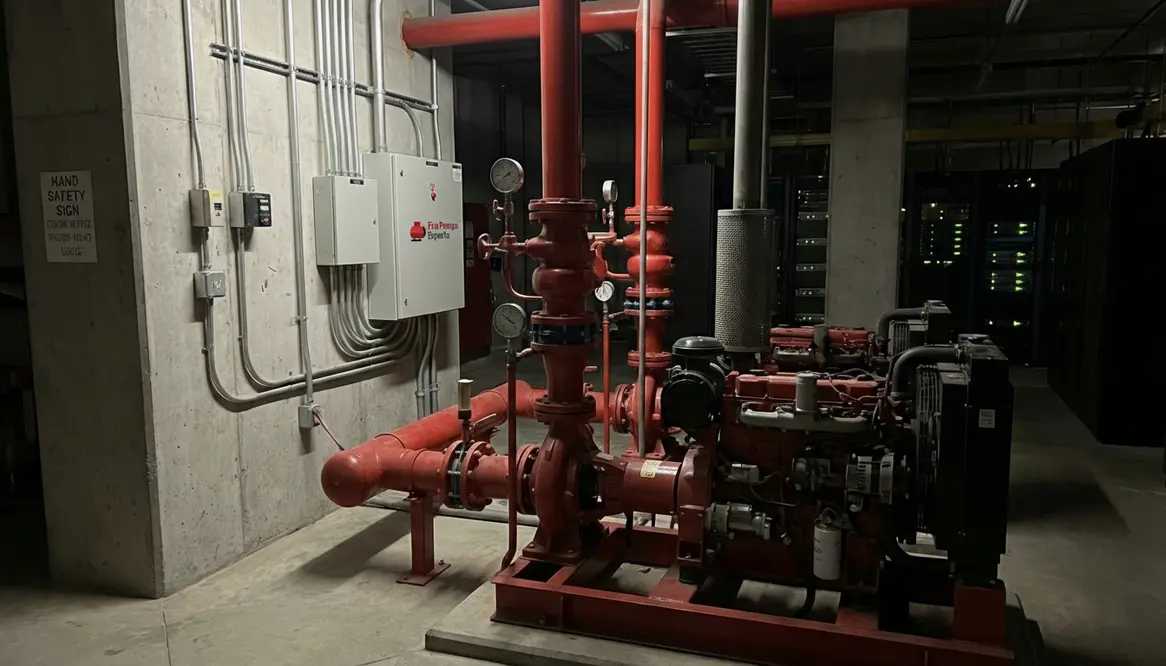
Fire Pumps in Critical Infrastructure Protection
Fire does not negotiate. It does not care about uptime, production schedules, or data integrity. That is exactly where critical infrastructure fire protection steps in, quietly doing its job long before anyone notices. At the heart of that system sits the fire pump, a piece of equipment that rarely gets applause but absolutely deserves a standing ovation.
Today, I want to walk you through how these machines safeguard the systems we rely on every day, from data centers to industrial plants, all while keeping things just interesting enough that you do not start checking your phone halfway through. When you think about critical infrastructure fire protection, the fire pump is the quiet professional doing the heavy lifting behind the scenes.
How fire pumps quietly power modern protection systems
I like to think of fire pumps as the strong, silent type. Not flashy, not loud in reputation, but when pressure drops, they step in like a seasoned action hero. In commercial and industrial buildings, sprinkler and standpipe systems rely on consistent water pressure. However, municipal supplies often fall short, especially during peak demand or emergencies.
That is where fire pumps take over. They boost water pressure to ensure suppression systems perform exactly as designed. Without them, even the most advanced fire protection system becomes a fancy set of pipes with good intentions.
Distance, elevation, and why pumps matter
In large scale facilities, distance and elevation complicate water delivery. Fire pumps solve this by maintaining steady flow across vast layouts. Think of them as the difference between a garden hose and a firehose. Both move water, but only one commands respect, especially when we are talking about true critical infrastructure fire protection across sprawling campuses.
Why critical infrastructure fire protection depends on pressure control
When I walk into a facility like a data center or manufacturing plant, I see more than equipment. I see continuity. I see operations that cannot afford downtime. That is why critical infrastructure fire protection depends heavily on precision and on the calm reliability of the fire pump sitting in its room, waiting for the alarm.
Fire pumps are not just about moving water. They are about controlling pressure with accuracy. Too little pressure, and suppression fails. Too much, and systems can become damaged. So, these pumps operate within carefully engineered parameters, ensuring balance at all times.
Smart control makes the difference
Modern systems integrate controllers that monitor performance in real time. If something drifts out of range, adjustments happen instantly. It is less guesswork and more orchestration, like a conductor keeping every instrument in line and ready to support mission critical systems the second heat shows up.
What makes fire pumps essential for large scale facilities?
If you are managing a commercial or industrial property, you are not just protecting a building. You are protecting operations, assets, and people. Fire pumps become essential because they provide reliability where external systems cannot.
- Consistent pressure delivery regardless of external supply fluctuations
- Scalability to match the demands of large campuses and multi building sites
- Redundancy options that ensure backup during mechanical failure
- Integration with alarms and suppression systems for seamless response
Furthermore, many facilities operate around the clock. That means fire protection cannot take a break either. Fire pumps are designed for durability, often running in demanding environments without missing a beat. Not quite superhero status, but close enough that Batman would probably approve. When you look at the full picture of critical infrastructure fire protection, these pumps are holding up far more than just pipes and fittings.
If your facility is ready to move beyond “hope the hydrants are enough,” partnering with a specialist for inspection, testing, and maintenance is a smart move. Providers like dedicated fire pump service teams can ensure your equipment stays aligned with code and performance expectations.
Inside the system: how components work together
Controller systems
I always say the controller is the brain. It monitors pressure levels and automatically activates the pump when needed. No hesitation, no confusion, just action.
Water supply connection
This is where the system draws from municipal lines, tanks, or reservoirs. The pump ensures that supply becomes usable under pressure.
Driver types
Electric motors or diesel engines power the pump. Each option serves different facility needs, especially when backup power becomes a concern.
Discharge system
Once pressurized, water moves through pipes to sprinklers or standpipes, reaching critical zones quickly and efficiently.
Together, these components form a coordinated system that responds faster than most people can react. And in fire protection, speed is everything.
The role of fire pumps in business continuity
I have seen facilities invest millions in equipment and technology, yet overlook how quickly fire can disrupt everything. Fire pumps play a direct role in keeping operations running by minimizing damage when incidents occur.
For example, in industrial plants, even a small fire can halt production lines. In data centers, heat and smoke can compromise sensitive systems within minutes. However, with properly functioning fire pumps, suppression systems activate immediately, reducing impact.
Resilience, not just safety
As a result, recovery times shrink, losses decrease, and operations resume faster. It is not just about safety. It is about resilience. And in today’s world, resilience is the name of the game, especially where critical infrastructure fire protection is expected to support uptime, compliance, and insurance requirements all at once.
Common misconceptions that deserve a reality check
Now, let me clear up a few things I hear far too often. First, some believe municipal water pressure is always enough. It is not. Second, others assume fire pumps are only necessary for extremely large facilities. Also not true. Many mid sized commercial properties require them due to layout and risk factors.
Another misconception is that once installed, fire pumps do not need attention. That is like buying a car and never changing the oil. Regular testing and maintenance ensure reliability when it matters most.
So yes, fire pumps may not be glamorous. But neither is a seatbelt, and I would not recommend skipping either one. The quiet, consistent work they do is the backbone of serious critical infrastructure fire protection, the kind that prevents a bad day from becoming a catastrophic week.
FAQ: quick answers you can use right away
Keep your systems ready before the unexpected happens
If there is one thing I have learned, it is this. You do not wait for a fire to start thinking about protection. Fire pumps form the backbone of reliable suppression systems in commercial and industrial properties. They work quietly, consistently, and without complaint.
If your facility depends on uptime and safety, now is the time to evaluate your system, ensure it meets demand, and invest in solutions that will stand strong when it matters most. Treat your fire pump as a central pillar of critical infrastructure fire protection, not as an afterthought hiding in the basement. When the heat turns up, you will be glad that silent workhorse is ready.