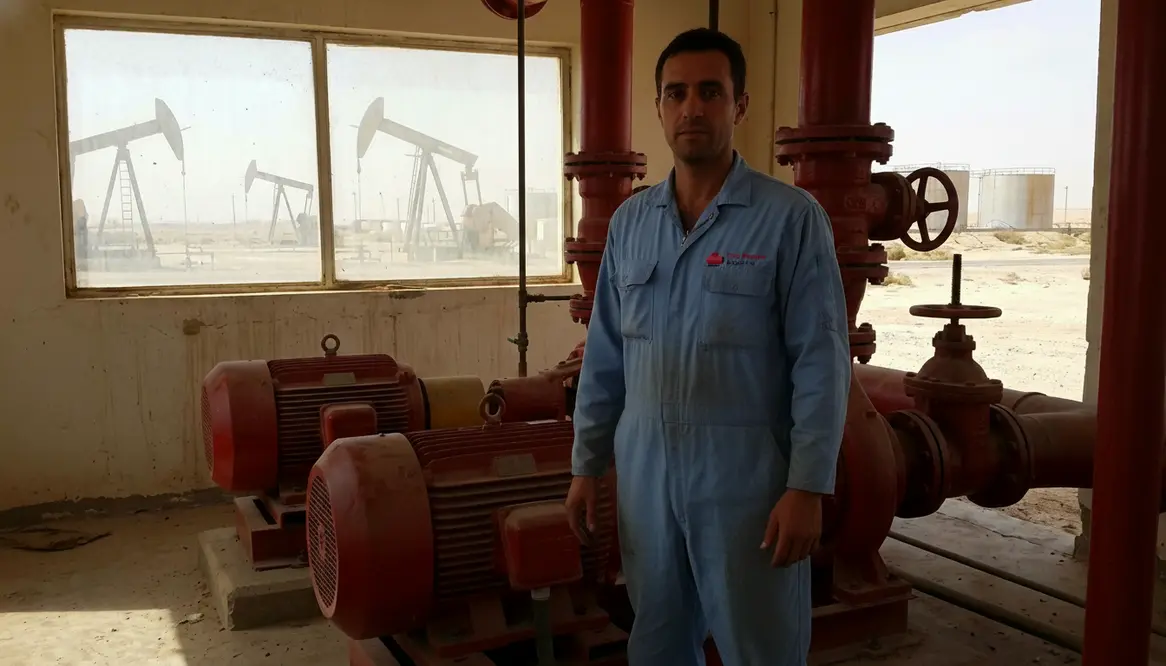
Fire Pump Systems Kern County Energy Compliance
I have spent years around fire protection systems, and if there is one thing I have learned, it is this: in oil, gas, and energy facilities, fire does not ask for permission. It shows up uninvited, like that one guest who eats everything and leaves a mess behind. That is why fire pump systems in Kern County are not just equipment, they are lifelines. And interestingly, even though we are talking California operations, the New Jersey fire code impact has quietly influenced how many engineers think about compliance, redundancy, and system resilience across the country.
So yes, what happens in one state rarely stays there. Standards travel. Lessons stick. And in Kern County, where energy production never sleeps, those lessons matter.
What Makes Fire Pump Systems Essential for Kern County Energy Sites
Kern County is not just another patch of land. It is one of the most active energy production regions in the United States. Oil fields stretch wide, processing plants hum day and night, and storage facilities hold highly combustible materials. Because of that, fire protection systems must operate with absolute reliability.
I design and review systems with one core goal in mind: immediate response. When a fire starts, every second matters. Fire pump systems ensure that water or suppression agents reach critical areas at the right pressure and flow. Without that, even the best sprinkler system becomes little more than decorative plumbing.
Moreover, these systems must handle extreme conditions. Heat, dust, vibration, and constant use push equipment to its limits. Therefore, we build with durability, redundancy, and performance in mind. Think of it as building a system that can run a marathon in steel toed boots.
How Do Fire Pump Systems Work in Oil and Gas Facilities?
At their core, fire pump systems are simple. They move water. But in industrial settings, simple does not mean easy. I often explain it like this: a fire pump is the heart, the piping is the arteries, and the suppression devices are the hands doing the work.
When pressure drops in the system, the pump activates automatically. It draws water from a reliable source such as a storage tank or reservoir, then pushes it through the network at high pressure. This ensures that even the farthest sprinkler or monitor nozzle performs as expected.
Going Beyond the Basics
However, in energy facilities, we go further. We integrate diesel driven pumps for backup power. We design for multiple hazard zones. And we test under real world conditions. Because frankly, “it should work” is not good enough when the stakes are this high.
Facilities that take cues from strict standards, including the New Jersey fire code impact mindset around redundancy and monitoring, often end up with more resilient designs that pay off during real emergencies.
Designing for Compliance and the New Jersey Fire Code Impact
Now here is where things get interesting. While Kern County follows California regulations, the New Jersey fire code impact has shaped broader industry expectations. I have seen engineers adopt stricter interpretations of redundancy, monitoring, and inspection protocols inspired by East Coast standards.
When “Minimum Code” Is Not Enough
As a result, many facilities now design systems that exceed minimum local requirements. This includes enhanced alarm integration, remote monitoring, and stricter testing schedules. In my experience, this cross pollination of standards leads to stronger systems overall, and the New Jersey fire code impact mindset keeps pushing facilities to treat fire pumps as critical infrastructure, not just another line item.
And let us be honest, no facility manager has ever complained about being too prepared. If anything, they sleep better knowing their systems can handle the unexpected. Even if that unexpected moment feels like something out of an action movie.
If you want a deeper look at how pump standards shape design, documents like NFPA 20 set the technical backbone that companies such as Kord Fire’s fire pump services follow in real projects.
Two Critical Design Priorities I Always Focus On
Reliability Under Pressure
I ensure pumps perform at peak demand without failure. This includes selecting the right pump type, sizing correctly, and planning for backup power.
System Integration
I connect fire pumps with alarms, detection systems, and facility controls. Everything works together, not in isolation.
Together, these priorities create a system that responds quickly and operates smoothly. And yes, when everything works in harmony, it is almost poetic. Industrial poetry, but still.
Maintenance Strategies That Keep Systems Ready
A fire pump system is not a “set it and forget it” piece of equipment. I wish it were that easy. In reality, ongoing maintenance is what separates a reliable system from a liability.
I recommend routine testing, including weekly churn tests and annual flow tests. These checks confirm that pumps start properly and deliver the required performance. Additionally, inspections of valves, controllers, and fuel systems help catch small issues before they become big problems.
Furthermore, documentation matters. Keeping detailed records ensures compliance and provides insight into system trends over time. If something starts to drift, we catch it early. And early detection is always cheaper than emergency repairs. Always.
Adapting Fire Pump Systems for Large Scale Industrial Properties
Not all facilities are created equal. A refinery has different risks than a storage terminal, and a power plant brings its own challenges. That is why I never approach two projects the same way.
Instead, I evaluate hazard levels, layout complexity, and operational demands. Then I design systems that match those conditions. For example, high hazard zones may require higher flow rates, while remote areas might need additional redundancy.
Managing Distance, Scale, and Code Expectations
In Kern County, scale is often the biggest challenge. Facilities span large areas, and water must travel long distances without losing pressure. So I plan for that. Bigger pumps, smarter layouts, and strategic placement all play a role.
And yes, sometimes it feels like solving a giant puzzle. Except the pieces are made of steel, and the consequences are very real. It is also one more place where the New Jersey fire code impact mindset around redundancy and monitoring quietly nudges teams toward more conservative, and ultimately safer, design choices.
FAQ: Fire Pump Systems for Energy Facilities
Before we get to a structured list, it is worth noting that many common questions center around which standards apply and how often systems should be tested. Much of that thinking has been influenced by stricter regions, and you can feel the New Jersey fire code impact every time a facility decides to go beyond the bare minimum.
Conclusion: Strengthen Your Facility Before the Alarm Sounds
I have seen what happens when fire protection is treated as an afterthought, and it is never pretty. The good news is that with the right fire pump system, designed and maintained with care, you can stay ahead of risk.
If you operate in Kern County’s energy sector, now is the time to evaluate your system, close the gaps, and build something that holds the line when it matters most. Take the lessons from stricter regions, let the New Jersey fire code impact mindset sharpen your expectations, and apply that thinking to every pump, pipe, and controller on your site.
Reach out and take that step today, before the alarm sounds and your system has to prove what it is really made of.