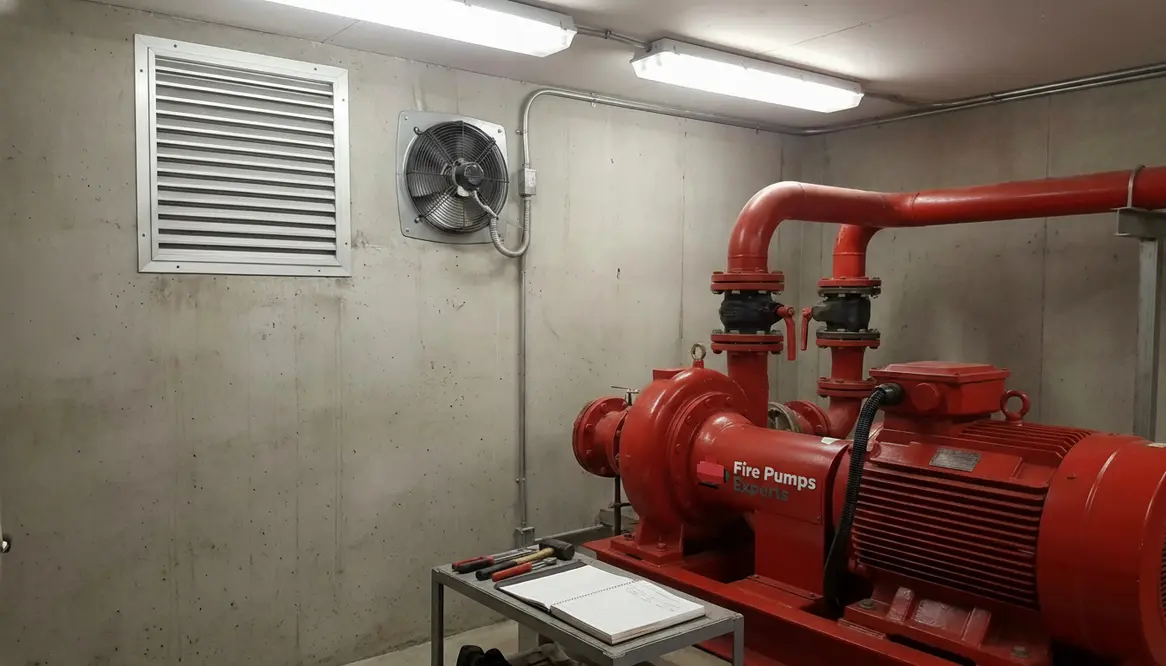
Fire Pump Room Ventilation Why It Matters
Why Fire Pump Rooms Need Proper Ventilation
I have seen a lot of mechanical rooms in my time, and fire pump rooms always get my attention first. When people ask why fire pump rooms need ventilation, I give the short answer first: heat builds up fast, equipment suffers, and the whole protection system can lose its edge when it matters most. In a commercial or industrial building, that is not a small detail. It is the kind of detail that keeps a facility ready, calm, and code aware when the pressure rises, literally and otherwise.
Now, let us walk through the real reasons, because this topic is not glamorous, but it is important. Think of it like the unsung stage crew in a big movie. Nobody buys a ticket to admire the lighting rig, yet without it, the show falls apart. Fire pump rooms work the same way.
How Ventilation Protects Fire Pump Performance
Fire pumps run hard, and they can create a surprising amount of heat. If I trap that heat inside a small room, the motor, controller, and nearby parts start working under stress. As a result, the pump may lose efficiency, wear out sooner, or trip at the wrong time. That is not the kind of surprise anyone wants during an emergency.
Proper airflow helps keep the room at a stable temperature. It also reduces the risk of hot spots around the pump and controller. In larger facilities, that matters even more because these systems often support high demand and long run times. And yes, even a fire pump deserves to breathe. No one likes being shoved into a closet with a space heater.
Good ventilation also helps with moisture control. When warm air sits still, condensation can form on metal parts and electrical gear. Over time, that can lead to corrosion, short circuits, and plain old trouble. So, when I look at a pump room, I do not just ask if it is cool enough. I ask if it stays dry, balanced, and ready for action.
What Happens When Airflow Falls Short
When ventilation is weak, the room can turn into a heat trap. First, equipment runs hotter than it should. Then, wear and tear speed up. After that, alarms, shutdowns, and service issues can follow. It is a slow chain of events, but it moves faster than most people think.
Here is a simple way to picture it:
Airflow Problem
- Heat stays in the room
- Humidity rises
- Electrical parts age faster
- Pump performance can drop
Room Result
- Higher maintenance needs
- More risk of failure
- Less reliable emergency response
- Greater chance of code trouble
That simple split tells the story. Better air movement supports better reliability. Poor air movement creates risk, and in a fire pump room, risk has no business being invited in for coffee.
Fire Pump Room Ventilation and Compliance Standards
Ventilation is not just about comfort or convenience. It ties into code, design, and long term safety. Commercial and industrial facilities, along with major property buildings, need systems that support dependable fire protection. That means the room must handle the heat load from the pump and its controls while still meeting the needs of the space.
For a useful outside resource, I recommend this guide on fire pump room ventilation and compliance standards. It fits well when I want a deeper look at how ventilation connects to code expectations in larger buildings. That kind of guidance matters because a well designed room does more than pass inspection. It supports the whole fire protection system from the inside out.
And that is the real point. A fire pump room should not feel like a sealed sauna with a badge. It should stay within safe limits, support the equipment, and give facility teams fewer headaches. In big properties, small mistakes tend to grow teeth.
How I Plan Ventilation for a Better Pump Room
When I think through a proper design, I focus on three goals: move heat out, keep fresh air in, and avoid creating new problems. That means I look at room size, pump load, ambient conditions, and the heat from the motor and controller. I also think about how air enters and exits the space, because good ventilation only works when the whole path makes sense.
In practice, I look for these basics:
- Enough airflow to clear heat from equipment
- Air paths that do not block service access
- Protection against moisture and dust buildup
- Stable room temperature for reliable operation
- Support for routine checks and maintenance
Also, I never treat ventilation as a one time task. Equipment changes. Building loads change. Weather changes. So, a room that worked five years ago may need a fresh look today. That is just good facility care, and honestly, it saves money while keeping the system ready for the moment nobody wants to talk about until it happens.
Why Fire Pump Rooms Need Ventilation: Quick Answers
People often ask why fire pump rooms need ventilation when the pump itself might only run during testing or emergencies. The answer is simple: the room is a small, often crowded space with heat generating equipment, controls, and wiring. When that space cannot breathe, everything inside pays the price sooner than expected.
In other words, why fire pump rooms need ventilation comes down to three practical goals: protect the pump, protect the controls, and protect the building’s ability to respond when a fire actually happens. Leave the air stale and the heat trapped, and you trade short term savings for long term risk.
Focused Look At Why Fire Pump Rooms Need Ventilation
If you strip away the jargon and diagrams, the core explanation for why fire pump rooms need ventilation is surprisingly down to earth. A hot, damp, sealed room slowly attacks the very equipment meant to save the building. A cool, dry, well ventilated room gives that same equipment a fair shot at performing the way it was designed.
That is why fire pump rooms need ventilation planned right from the start and checked regularly over the life of the building. It is not a nice extra. It is one of the quiet details that separates a system that only looks good on paper from one that works cleanly under stress.
FAQ
Conclusion
I never treat fire pump room ventilation like a side note, because it is part of the backbone of a strong fire protection system. If your commercial, industrial, or major property building depends on a pump room, I suggest reviewing the airflow, heat load, and compliance needs now, not later. A well ventilated room helps protect the equipment, reduce risk, and support reliable performance when it counts most. If you want your system to stay ready, take the next step today and assess the room with care.