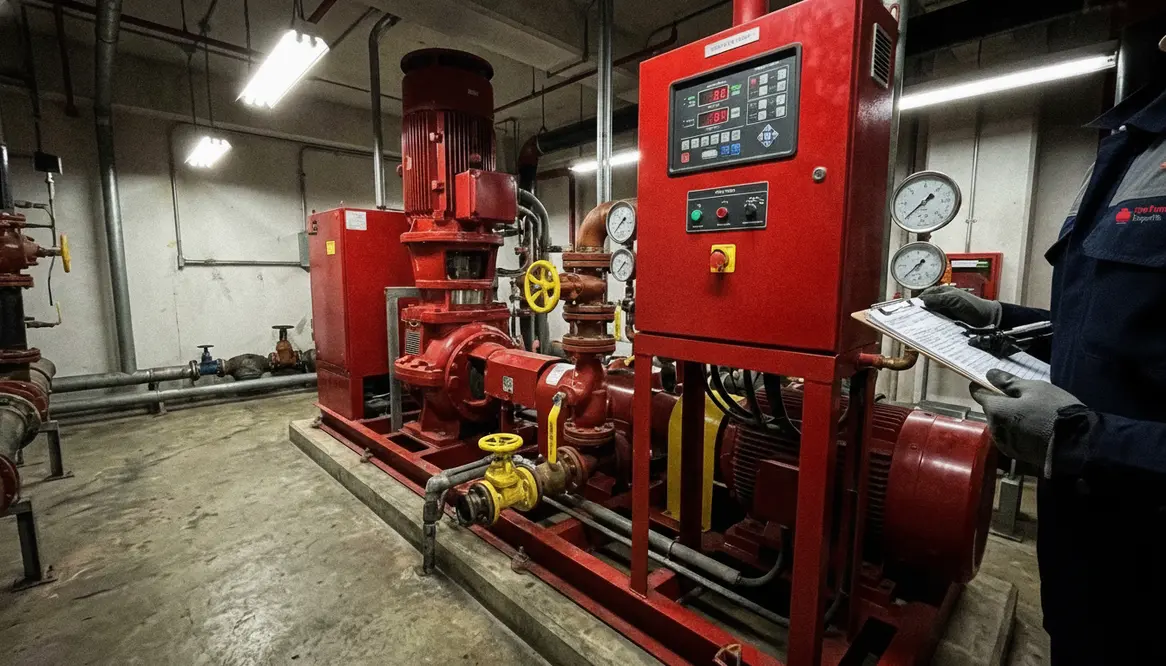
Fire Pump Shutdown Procedure Steps for Facilities
A practical walkthrough for safely shutting down and restarting fire pumps in large facilities, plants, and commercial properties.
Fire Pump Shutdown Procedures Explained
I treat a fire pump shutdown procedure like a quiet ending to a very loud responsibility. In a commercial or industrial building, the pump stands ready like the backup singer nobody notices until the lead goes flat. When I handle shutdowns, I do it with care, because one wrong move can leave a building exposed. So, in this guide, I will walk through the process in plain language, with a focus on major properties, plant sites, and large facilities where system reliability matters every day.
Need-to-know for large facilities
This walkthrough is geared toward high-rise towers, campuses, warehouses, manufacturing plants, and any property where a misstep with the fire pump can ripple through operations, insurance, and life safety in one shot.
Why a shutdown needs a plan
A fire pump does not get switched off just because the workday ends. Instead, I plan the shutdown around safety, maintenance, inspection, or repairs. That matters because these systems protect large assets, busy tenants, production areas, and people who may never know the pump saved the day. Also, a rushed shutdown can create pressure loss, nuisance alarms, or worse, a system that looks ready while it is not. In a big facility, that is the kind of surprise nobody wants before lunch.
Before I touch the controls, I confirm the reason for the shutdown and check whether the building can remain protected through another source. If the pump serves a sprinkler or standpipe system, I make sure the fire watch, alarms, and site contacts are in place. Then I verify permits, schedule timing, and notify the right people. A clean fire pump shutdown procedure always starts before the equipment moves one inch.
Risk, redundancy, and responsibility
In major buildings, redundancy is not a luxury; it is the baseline. When I plan any fire pump shutdown procedure, I look for backup water supplies, secondary pumps, and manual response options. If those are missing, the plan shifts: more communication, tighter time windows, and a more conservative approach to what we shut down and when.
How I prepare the system for shutdown
Preparation keeps the process smooth. First, I review the pump status, controller display, and suction and discharge conditions. Next, I check whether the system is under test or under repair, because those two situations are cousins, not twins. I also confirm that the facility team, fire protection vendor, and monitoring service know what will happen.
Then I isolate only the part of the system that needs service. I do not shut down more than necessary, because a big property can have multiple risk zones and tied in systems. If the job affects a commercial tower, warehouse, campus, or plant, I keep communication tight. And yes, I like checklists. They are boring in the same way seat belts are boring, which is to say extremely useful.
Core checks before anything moves
- Confirm the exact reason for taking the pump offline, and who approved it.
- Verify alternate fire protection measures and whether a fire watch is required.
- Review site procedures, permits, and impairment tags ahead of time.
- Walk the system: controller, jockey pump, valves, gauges, and power feeds.
Fire pump shutdown procedure steps
Here is the core process I follow when the system must come offline. I keep it calm, controlled, and documented. This is the backbone of any reliable fire pump shutdown procedure in a serious facility.
|
Step 1 Notify the site team and monitoring service, then confirm the shutdown window. |
Step 2 Check the controller, valves, pressure, and power source before touching any control. |
|
Step 3 Place the pump in manual or offline mode only as required by the approved procedure. |
Step 4 Close the needed valves slowly and secure the equipment against accidental restart. |
|
Step 5 Record readings, alarms, and time stamps so the event stays clear for review. |
Step 6 Tag the system, post any required notices, and maintain fire watch if needed. |
During the shutdown, I listen for changes in pressure and watch for leaks or odd signals. I also keep an eye on the controller because it can tell a story faster than a tired technician on a Friday afternoon. If the pump has electric and backup power connections, I confirm that isolation happens in the right order. That protects both the system and the people working on it.
Why the pacing matters
Close valves too quickly or jump steps, and you can shock the system, trigger false alarms, or confuse everyone who checks the panel later. A steady, disciplined fire pump shutdown procedure saves time by preventing chaos later.
What I check after the pump stops
Once the pump is down, I do not walk away and call it a win. Instead, I inspect the system for signs of trouble. I check valve positions, verify that no water is escaping where it should not, and confirm that alarms are working as planned. Also, I make sure the fire protection system still has the correct protection path for the building.
If maintenance or repair work is next, I label the pump clearly and keep the area secure. For industrial sites, that means protecting process areas, storage zones, and loading spaces from avoidable risk. For major commercial buildings, it means keeping tenants and critical operations informed without causing panic. Nobody needs a drama series when the real issue is pressure gauges.
Post-shutdown checklist
- Verify all intended valves are shut and all unintended valves are still open.
- Confirm alarm signals match the impairment state you expect.
- Check the surrounding areas for leaks, unexpected flows, or tripped drains.
- Log everything: times, readings, work being done, and who is responsible.
How I bring the system back online
Restart matters just as much as shutdown. First, I clear the work area and confirm that all repair tasks are complete. Next, I reopen valves in the proper order and check that the controller is ready. Then I restore power or control settings and watch the pump respond. I never assume it is fine just because a panel light looks friendly. Panels lie less than people, but they still need verification.
After restart, I test the system based on site rules and code needs. I check pressure, flow signs, alarms, and any abnormal noise. Finally, I document the return to service and notify the site team that the system is back in operation. This step closes the loop and keeps the facility’s records clean.
Proving the system is really ready
- Verify automatic and manual start functions.
- Check suction and discharge pressures under expected conditions.
- Confirm alarm and supervisory signals are normal at the panel and monitoring station.
- Update impairment tags and logs to show the fire pump shutdown procedure has closed out fully.
What a solid fire pump shutdown procedure prevents
A disciplined fire pump shutdown procedure blocks a whole list of headaches: surprise impairments, confused crews, false assumptions about protection, and ugly conversations with insurers after an incident. In serious properties, it is not optional; it is the only way to sleep at night.
Handled well, the same procedure builds trust with operations teams, safety managers, and even the fire department. Everyone sees the pattern: planned work, clear notices, tight execution, and a system that comes back stronger than it left.
FAQ
Need help with a commercial or industrial fire pump shutdown?
If your facility needs a careful shutdown, I recommend handling it with a team that knows large property systems inside and out. I can help you plan the work, protect the building, and bring the pump back online with confidence. Reach out now to keep your fire protection system safe, compliant, and ready for the next challenge. The pump may rest for a moment, but your protection should never take a day off.
For deeper technical references on fire pump performance and testing, resources like https://firepumps.org can complement your site-specific procedures and local code requirements.