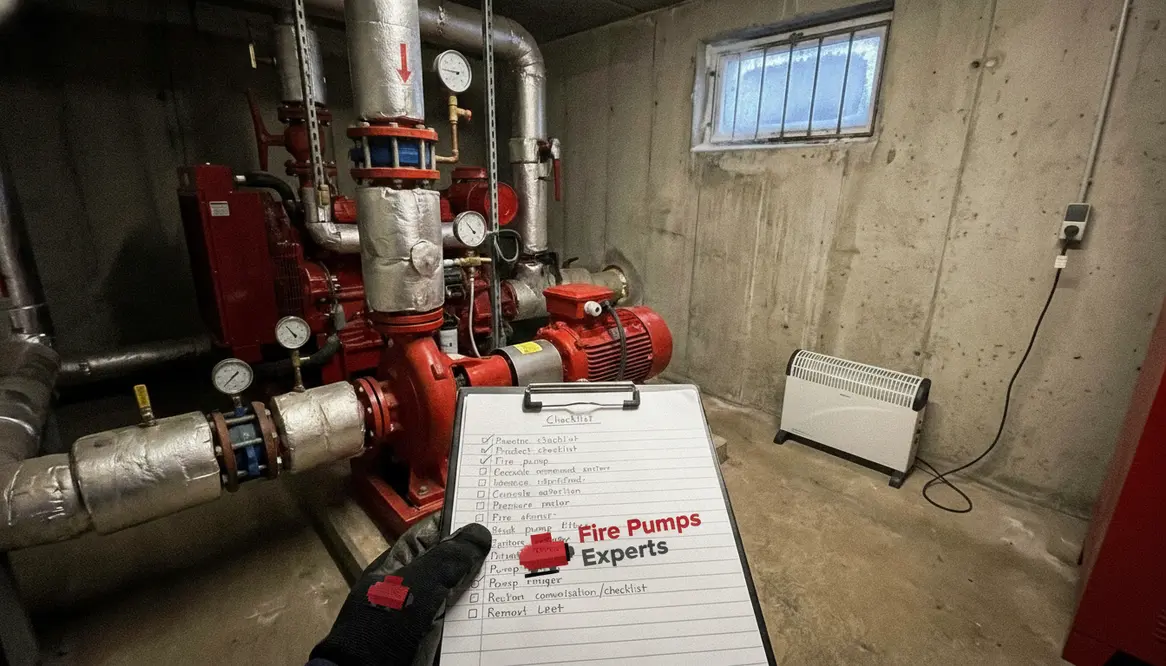
Fire Pump Winter Maintenance Checklist for Cold
Fire Pump Winter Maintenance Checklist: What I Check Before the Cold Sets In
When winter shows up, I treat fire pump winter maintenance like a front row ticket to avoiding chaos. A fire pump does not care that it is cold, busy, or inconvenient. It only knows one thing: it must work when the system needs it. In commercial and industrial buildings, that matters a lot. One frozen line can turn a routine test into a very expensive lesson. So I keep my process simple, clear, and steady, because winter does not negotiate, and neither should I.
That is why I build a cold weather plan before the temperature drops. I check the pump room, the pipes, the power, and the support gear. Then I walk through the system like I expect a surprise visit from the fire marshal, because frankly, that is better than a surprise failure. The goal is not just compliance. The goal is confidence.
What I Inspect First in a Winter Readiness Check
I always start with the basics. First, I look at the pump room temperature and make sure it stays within a safe range. A warm room keeps water from freezing in the wrong place, which is a very small detail with very big consequences. Next, I inspect doors, windows, vents, and any gap that lets in cold air. Even a small draft can act like that one person in the office who keeps turning the thermostat down for no reason.
Then I check for visible leaks, corrosion, and signs of past water exposure. If I see wet spots or rust, I do not shrug and move on. Instead, I trace the source. Cold weather makes small issues grow fast, and a little drip today can become a cracked pipe tomorrow. I also confirm that heaters work, controls respond, and alarms sound the way they should.
Fire Pump Winter Maintenance Checklist for Critical Equipment
Here is the part where I stay methodical. I use a clear checklist so nothing slips through the cracks. This keeps fire pump winter maintenance predictable instead of stressful.
My Core Inspection List
My core inspection list includes several simple but critical checks that keep the system ready when temperatures drop hard.
Dual Column View for Quick Review
Left side
- Pump room heat source confirmed
- No leaks at fittings or seals
- Jockey pump tested
- Valves in correct position
- Power supply checked
- Controller inspected
- Water supply reviewed
Right side
- Temperature stays stable and recorded
- Any moisture gets fixed fast
- Pressure holds without cycling too often
- Tags visible and easy to read
- Backup source ready if primary power fails
- Lights, alarms, and indicators function properly
- No freeze risk in exposed areas
This simple structure keeps me on track. Also, it saves time, and time matters when the weather is acting like a villain in a disaster movie. I never want to discover a problem during an emergency drill or, worse, during an actual event.
Handled well, fire pump winter maintenance turns into a routine rhythm instead of a cold-weather panic.
How I Protect Pipes, Valves, and Controls From Freezing
Once the equipment checks out, I turn to freeze protection. This step matters because the fire pump may be fine, but the system around it can still fail if cold air gets in. I inspect exposed piping, drain lines, and any low point where water can sit. If water stays trapped, ice will make itself at home, and it does not pay rent.
For valves, I confirm that they are accessible, labeled, and set correctly. I also make sure nothing blocks them, because fast response depends on clear access. In addition, I check insulation around vulnerable areas and repair it if it looks worn or damaged. If heat tracing exists, I test it. If it does not work, it is just a very expensive decoration.
Controls need attention too. I verify that the controller room stays dry and warm, and I inspect wiring for wear. Cold can expose weak spots in old parts, so I never trust a quick glance. I want proof, not hope. Hope is nice for movies. Maintenance needs facts.
What I Do During Testing and Record Keeping
Testing tells the truth. I run the system under normal procedures, watch the pressure, and listen for unusual sounds. A healthy pump should run smoothly, not like it is auditioning for a horror soundtrack. I also confirm that the jockey pump starts and stops correctly, because pressure control matters in winter more than most people realize.
After the test, I document everything. I note room temperature, pump performance, alarms, repairs, and any follow up work. Good records help me spot patterns before they become failures. They also help building teams show that they take fire protection seriously, which is always a smart move in commercial and industrial settings.
For deeper guidance, I also review trusted fire pump inspection resources for commercial facilities when I need a second look at best practices or service support.
Why This Winter Checklist Matters
In a commercial or industrial building, a fire pump is quiet most of the year. Winter is when hidden weaknesses start showing up. A slightly cold pump room, a badly insulated pipe, or a lazy habit of skipping weekly checks can add up to a system that looks fine on paper and fails in real conditions.
A consistent fire pump winter maintenance routine keeps the whole setup honest. It is about spotting the small issues before ice, low temperatures, and busy schedules team up to cause downtime, property damage, or a very tense conversation with an insurance adjuster.
Quick Fire Pump Winter Maintenance Reminders
- Keep the pump room at a stable, safe temperature.
- Inspect piping, valves, and drains where water can sit and freeze.
- Confirm insulation and heat tracing are in working shape.
- Test main and jockey pumps on schedule and listen for changes.
- Log temperatures, test results, and repairs every single time.
- Treat fire pump winter maintenance as a non-negotiable task, not a seasonal suggestion.
FAQ
Final Check Before the Cold Hits
I do not wait for a freeze warning to act, because winter loves bad timing. Instead, I start early, check everything carefully, and fix the small stuff before it turns into a big bill. That is the heart of fire pump winter maintenance for commercial and industrial buildings. If your facility needs a stronger winter plan, now is the time to inspect, document, and service the system. Take action today, protect the property, and keep your fire protection ready when the cold tries to test it.