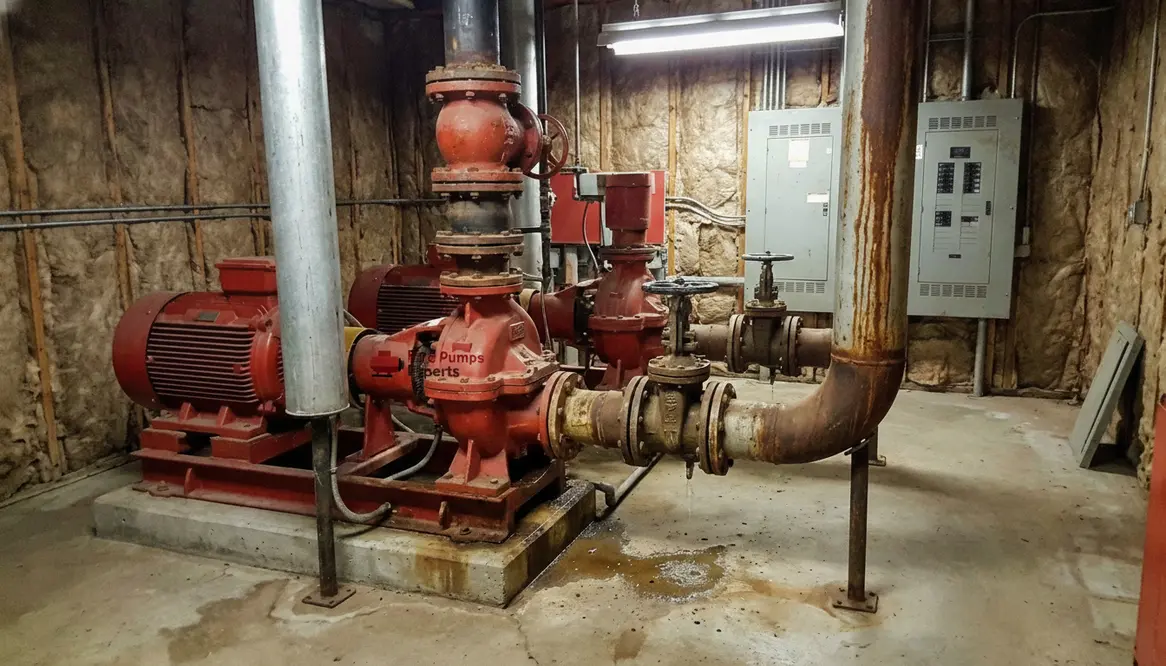
How Climate Affects Fire Pump Performance
Climate does not wait for a convenient time to stress a fire pump system. It shows up every day, changing how pumps perform, age, and respond when a real emergency hits.
How Climate Impacts Fire Pump Systems
I have seen plenty of things blame a fire pump before anyone looks at the weather. Yet the truth is simple: climate can shape how a fire pump performs, ages, and holds up under pressure. In commercial and industrial facilities, and in major property buildings, fire pump environmental conditions can include heat, cold, humidity, flooding, dust, and corrosive air. Those forces do not care how expensive the system was when it was installed. They show up anyway, like an uninvited sequel nobody asked for. So, if you manage a plant, tower, warehouse, or other large property, you need to know how climate changes the game.
Think of climate as the silent partner in every fire pump installation. It is always “in the room,” changing temperatures, moisture levels, and even the quality of the water feeding the pump.
Ignoring it is like ignoring gravity because it is not on the drawing set.
Understanding fire pump environmental conditions is not optional. It is part of making sure the system will actually work when it is needed.
How Weather Affects Fire Pump Performance
I look at weather first because it touches nearly every part of a fire pump system. Heat can lower pump efficiency and push motors, seals, and bearings harder than they should work. Cold can make water lines stiff, cause freezing, and slow the pump when time matters most. Meanwhile, heavy rain and storm surge can flood pump rooms, while dry and dusty air can wear parts faster than expected.
In other words, climate does not just sit outside and look dramatic. It reaches into the system. It changes water supply, affects suction conditions, and can create weak points in the fire pump environmental conditions that were easy to miss during a calm season. As a result, the same system that ran fine in spring may act very differently in summer or winter.
What Heat, Cold, and Humidity Do to Fire Pump Systems
Heat
Heat can raise the risk of overheating in motors and drivers. It also speeds up wear on seals and rubber parts. I have seen this happen in large facilities where mechanical rooms run warm all year, then climb even higher in peak summer. That extra heat can shorten service life if the room has poor ventilation.
Cold
Cold brings a different kind of trouble. Water can freeze in exposed piping, and once that happens, the system may crack or lose flow. Even if the pipe does not burst, ice can block valves and fittings. So, a pump that looks ready on paper may fail in the field because winter had other plans.
Humidity
Humidity matters too. High moisture in the air can lead to rust, corrosion, and electrical problems. Over time, this can affect control panels, fittings, and metal parts. Therefore, climate control inside the pump room is not a luxury. It is part of the job.
Fire Pump Environmental Conditions in Commercial Buildings
In commercial and industrial buildings, fire pump environmental conditions often shift with the property itself. A warehouse may face dust and temperature swings. A coastal tower may deal with salt air and moisture. A manufacturing site may have heat, vibration, and airborne grit all at once. That mix can wear systems down faster than a boring office day wears down the soul.
Here is a simple way I break it down:
Climate stress
Common system impact
High heat
Freezing cold
Humidity
Flood risk
Dust and debris
Motor strain and seal wear
Frozen lines and cracked fittings
Rust and electrical trouble
Pump room damage and shutdowns
Blocked parts and faster wear
These conditions do not stay in one lane. They often work together. For example, a humid coastal site may also face storm flooding, while a northern plant may see both cold snaps and indoor condensation. That is why I always treat environmental risk as part of system design, not a side note.
How I Protect Fire Pump Systems From Climate Stress
I start with the room itself. The pump room should stay dry, ventilated, and easy to inspect. Then I look at insulation, drainage, and freeze protection. If a site has cold weather risk, I check heat tracing, enclosure design, and pipe placement. If heat is the bigger threat, I focus on airflow and equipment spacing.
I also pay close attention to maintenance. Regular inspections catch small issues before they grow teeth. For example, a slight rust spot today can become a failing fitting later. Likewise, a noisy bearing can turn into a shutdown if nobody listens. And yes, pumps do talk. Not with words, of course, but they certainly complain.
Site-Specific Planning Beats One-Size Solutions
For commercial and industrial facilities, this work should stay tied to the actual site conditions. A one size answer rarely works. The best approach matches the building, the climate, and the system load. That is where careful planning beats hopeful guessing every time. When you understand your fire pump environmental conditions, you stop treating climate as a surprise and start treating it as a design input.
How To Keep Your System Ready All Year
I recommend a year round plan, because climate never really clocks out. Seasonal checks help me catch problems before they become costly. In warm months, I look for heat stress, ventilation gaps, and electrical strain. In colder months, I look for freeze risk, insulation gaps, and drainage problems. Meanwhile, after storms or floods, I inspect for water damage, corrosion, and control issues.
It also helps to keep records. When I track failures, repairs, and seasonal trends, I can spot patterns faster. That makes future planning stronger and less expensive. A fire pump should not be treated like a background actor in a superhero film. It needs attention before the crisis hits.
Turning Climate Data Into Fire Pump Decisions
When I line up seasonal trends, inspections, and repair history, clear patterns emerge. Maybe bearings always fail after the hottest month. Maybe corrosion spikes after a certain storm season. Those patterns tell you where fire pump environmental conditions are quietly attacking the system, so you can respond with better ventilation, dehumidification, enclosure upgrades, or changes in testing frequency.
If you want a deeper technical foundation, resources like https://firepumps.org can help you connect standards and field practice.
FAQ
Final CTA
If you manage a commercial or industrial facility, do not wait for weather to test your fire pump system the hard way. Review your site conditions, inspect the pump room, and build a plan around real climate risk. I can help you think through fire pump environmental conditions with a practical eye and a clear path forward. When the next season arrives, your system should be ready, steady, and built to hold its ground.