Upgrade Fire Pump System for Modern Buildings
Modernising Old Fire Pump Systems: What Businesses Need to Know
When I look at an ageing building, I do not just see walls, steel, and parking spots. I see risk, delay, and the quiet cost of doing nothing. That is why I believe every commercial and industrial site should take a hard look at its upgrade fire pump system before it becomes the weak link in a much bigger safety plan. Old pump sets can still run, sure. A microwave from the 90s can also still run, but I would not trust it to protect a tower full of people or a warehouse stacked to the rafters. In this guide, I will walk through what matters, what fails first, and how to modernise with confidence.
Why old fire pump systems struggle in modern buildings
Older fire pump systems were built for older demands. That sounds obvious, but here is the catch: modern commercial and industrial facilities often need stronger water flow, better pressure control, and smarter monitoring than the original system ever planned for. As a result, an old setup may still pass a basic test while quietly missing the mark during real use.
The three problems that show up first
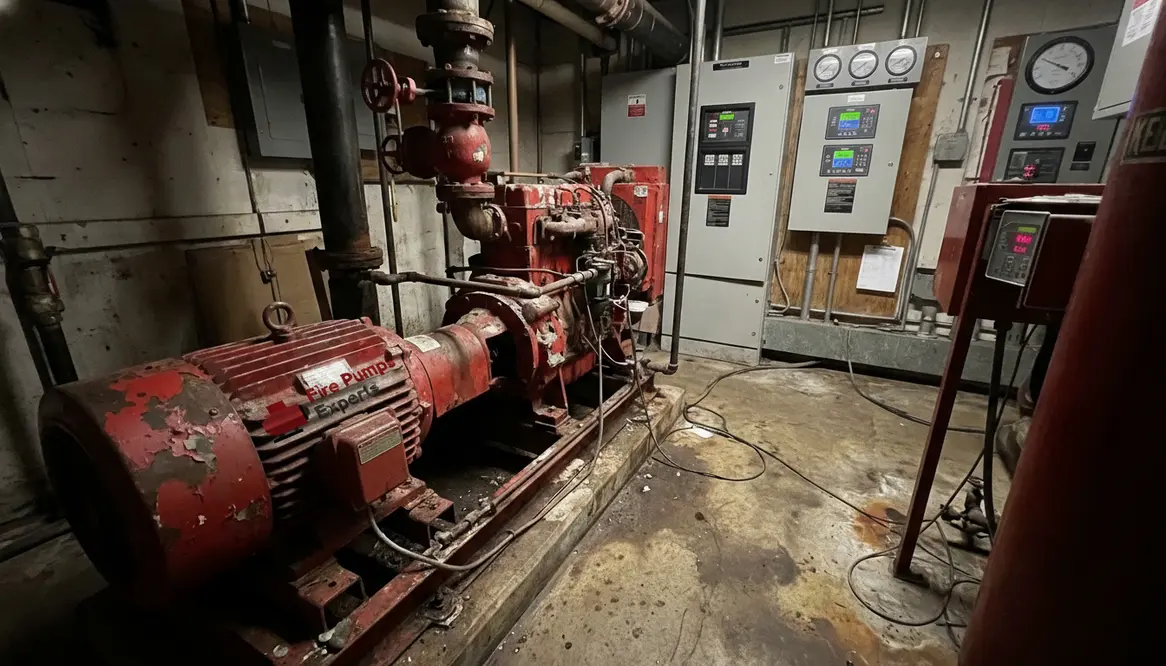
I often see three common problems. First, wear and corrosion cut performance over time. Second, outdated controls can make fault finding slow and messy. Third, building changes can outgrow the original design. If a facility adds new floors, denser storage, or heavier equipment, the old pump system may not keep up. And yes, firefighting hardware does not get a free pass just because it has “character.”
Why this matters for safety and compliance
Those quiet performance losses can mean poor pressure at the top floors, slow starts when every second counts, and test results that look “good enough” until the building actually needs full protection. In modern risk reviews and insurance discussions, an unfit pump setup often becomes the awkward topic no one wants to own.
Signs your fire pump needs an upgrade
If I had to spot the warning signs early, I would look for these:
- Frequent alarms or nuisance faults
- Pump starts that feel slow or inconsistent
- Visible rust, leaks, or vibration
- Poor pressure during tests
- Parts that are hard to replace
- Controls that no longer match current standards
Now, none of these signs means the system has failed outright. However, they do mean the system is asking for attention. I treat that as the building’s way of clearing its throat before saying, “Boss, we need to talk.”
What a fire pump upgrade should include
When I plan an upgrade fire pump system, I do not start with shiny parts. I start with the building’s real risk and demand. Then I check the water supply, pipe layout, power source, control gear, and test setup. A good upgrade should improve reliability, speed, and service access at the same time.
Old vs modern: a quick comparison
Here is a simple dual view of what I review:
Current system
Old starter panels
Basic pressure control
Hard to source parts
Manual checks only
Limited design margin
Modern upgrade
Smart controls with clearer fault alerts
Better pressure stability under load
Easier maintenance and support
Better monitoring and test records
Stronger fit for current building use
This is where the upgrade pays off. A modern system does more than sit there and hope for the best. It gives the facility team faster checks, cleaner data, and less drama at 2 a.m., which is a gift no one truly appreciates until the alarm sounds.
How I plan a safe upgrade fire pump system
Step 1: Understand the site
I always start with a site review. That means I study the building type, fire risk, water source, pump room layout, and any changes made since the original install. After that, I check compliance needs and local requirements for commercial and industrial properties. This step matters because a pump that looks strong on paper can still fail if the base, suction, or control setup does not suit the site.
Step 2: Test, map, and phase the upgrade
Next, I work with qualified specialists to test the existing system and map the upgrade path. In many cases, I suggest a phased plan so business operations keep moving. That helps major sites avoid long shutdowns. It also keeps the project from turning into a full season of suspense, which, frankly, I would rather save for television.
A careful approach to any upgrade fire pump system also means planning for temporary coverage where needed, checking power reliability, and making sure test procedures are locked in before the first bolt is turned.
What businesses gain from modernisation
Beyond code compliance
A modern fire pump setup gives more than code peace of mind. It can reduce service calls, improve response, and make inspections easier to manage. More importantly, it helps protect people, assets, and operations when time matters most. In large commercial and industrial settings, that kind of readiness supports insurance reviews, safety planning, and long term asset care.
Matching today’s building, not yesterday’s
I also want to stress this: modernisation is not only about replacing old gear. It is about matching the system to the real building load today, not the one from ten or twenty years ago. A smart upgrade fire pump system protects the site for what it is now, not what it used to be. That is the whole game.
When that thinking is built in from the start, the result is a pump installation that supports future expansions, technology add-ons, and more demanding fire scenarios without turning every project into a full redesign.
FAQs about modernising fire pump systems
Ready to modernise with confidence?
If your site still depends on an ageing pump system, now is the time to act. I recommend starting with a full review, then building a practical plan that fits your property, your risk, and your operations. A well timed upgrade fire pump system can save stress, reduce downtime, and strengthen fire protection where it matters most. Reach out to a trusted commercial fire pump specialist and take the next step before small issues become expensive ones. For additional background on fire pump best practice, resources such as https://firepumps.org can also be helpful as part of your research.