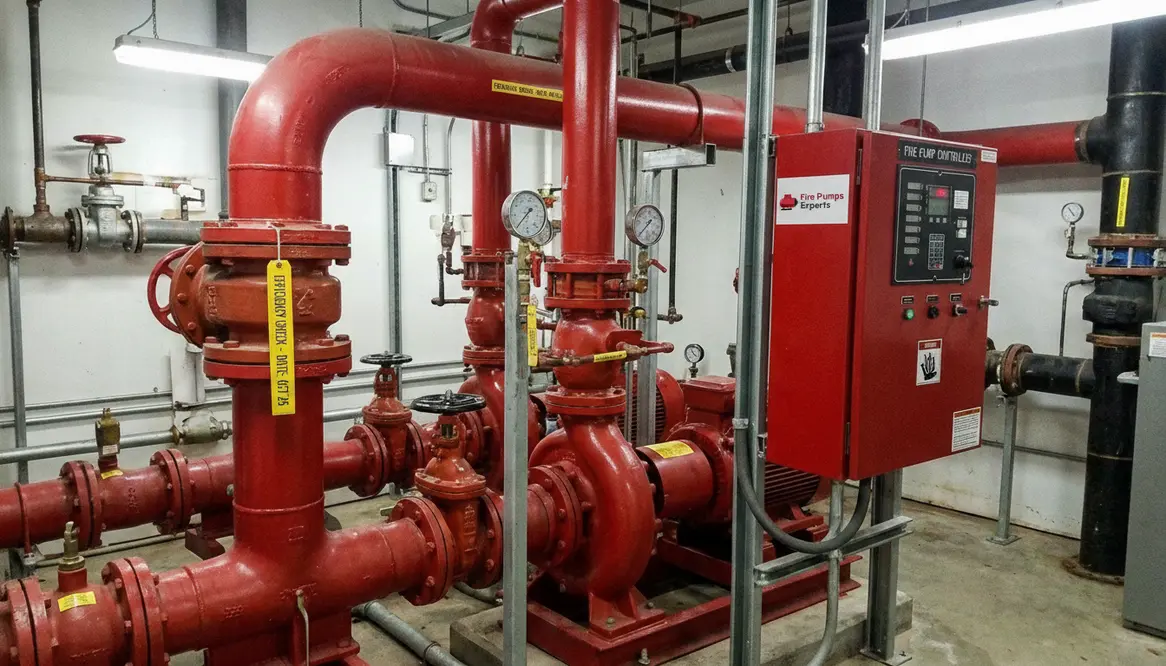
Fire Pump Energy Efficiency Improvements Guide
Fire Pump Energy Efficiency Improvements Explained
I look at fire pump efficiency the same way I look at a good suit: it should do its job without wasting a thing. In commercial and industrial buildings, and in major properties, a fire pump must stand ready at all times. Yet readiness does not have to mean waste. When I improve fire pump performance, I help lower power use, reduce wear, and keep the system ready for the moment it truly matters. And yes, that moment is not the time for drama, no matter how much the alarm would like a cameo.
In this article, I will walk through practical ways to improve energy use without cutting safety corners. I will keep it clear, useful, and grounded in real building needs. Because in a large facility, every watt matters, and every system should pull its own weight.
Start With the Right Pump Setup
The first step is simple: I match the pump to the building’s real demand. Many systems waste energy because the pump is too large, poorly matched, or built for old conditions that no longer exist. If the pump runs far from its best operating point, it burns more power and wears faster. That is not efficiency. That is just expensive scenery.
I always review flow needs, pressure needs, and system changes before I touch anything else. If the building expanded, if the water main changed, or if the fire protection layout shifted, the pump may now be working harder than needed. So I check the load first, then I choose the fix.
Improve Fire Pump Efficiency With Smarter Controls
Smart controls can make a big difference in large facilities. I use them to reduce wasted run time, limit unnecessary starts, and keep the pump operating in a healthier range. Variable speed drives can help in some designs, but only when the system and code requirements allow them. I never treat controls like magic. They are tools, not a Marvel artifact.
Here is where the real gain often appears:
Common control upgrades
- Pressure sensing improvements
- Better start and stop settings
- Reduced short cycling
- Alarm and fault monitoring
- Integration with building systems
Why they matter
- Less wasted energy
- Lower motor stress
- Better response consistency
- Easier maintenance planning
- More stable system performance
When I tune controls well, the pump works with purpose instead of brute force. That protects both the equipment and the energy bill, which tends to make everyone in the building smile in their own quiet way.
Keep the System in Top Shape
Maintenance has a direct effect on efficiency. A fire pump that suffers from worn bearings, clogged strainers, valve issues, or air leaks will use more energy to do the same work. So I inspect the full system, not just the pump itself. I look at suction conditions, discharge pressure, seals, alignment, and valve positions. Then I fix small problems before they grow into loud, costly ones.
Regular testing matters too. However, I do not confuse testing with waste. I plan tests so they meet code and still avoid needless runtime. When I find drag in the system, I trace the cause instead of blaming the motor like it insulted the family at dinner.
Why Pressure Balance Changes the Game
Pressure balance often gets overlooked, yet it shapes how hard the pump must work. If the system pressure sits too high, the pump fights against it all day. If it sits too low, the system may not respond as designed. So I check pressure settings, relief paths, jockey pump operation, and pipe losses. Then I adjust the system so the main pump only takes over when needed.
Energy savings often come from these small, careful changes. For example, a healthy jockey pump can handle minor pressure drops and keep the main fire pump from starting too often. That may sound humble, but humble parts often save the day and can gently lift overall fire pump efficiency without any flashy upgrades.
Fire Pump Efficiency in Real Commercial and Industrial Buildings
In a warehouse, hospital, high rise, manufacturing site, or other major property, the best improvements come from a full system view. I do not focus on one part and call it a win. Instead, I look at water supply, pump size, pressure needs, controls, and service history together. That gives me a real picture of where energy slips away and where fire pump efficiency can move from guesswork to measurable gains.
Sometimes the answer is a better control strategy. Sometimes it is a trim on setpoints or a correction in suction conditions. And sometimes the pump really is the wrong size for the building that exists today. When that happens, I walk through options that keep fire protection solid while bringing fire pump efficiency closer to what the system should have delivered all along.
And if the facility team wants outside support, I point them toward trusted guidance like commercial fire pump system resources from firepumps.org, especially when the site needs service planning for large properties and industrial use. The key is to keep the solution practical, code aware, and built for serious buildings, not small side projects pretending to be major players.
Quick Answers on Energy Upgrades
Before calling in a full-scale project, I sort out the most common questions that come up when teams start taking fire pump efficiency seriously.
Conclusion: Take the Next Step
When I improve fire pump performance, I protect more than energy use. I protect uptime, equipment life, and confidence across the whole property. A well-tuned system turns a constant power draw into a controlled, necessary safeguard instead of a quiet drain on the utility bill.
If your commercial or industrial facility needs a smarter path forward, now is the time to review the system, spot waste, and make a clear plan. Take a hard look at sizing, controls, pressure balance, and maintenance. Each small change adds up, and together they can bring fire pump efficiency much closer to what you always expected from a serious fire protection system.
Reach out for a focused assessment, and let me help turn a hardworking pump into a cleaner, calmer, more efficient part of your fire protection strategy. One careful project at a time, you can keep safety high, keep drama low, and keep fire pump efficiency where it belongs: working quietly in your favor.