Fire Pump Upgrade Guide for Older Buildings
Practical steps, blunt truths, and a few analogies to keep older buildings safer without turning the project into a drama series.
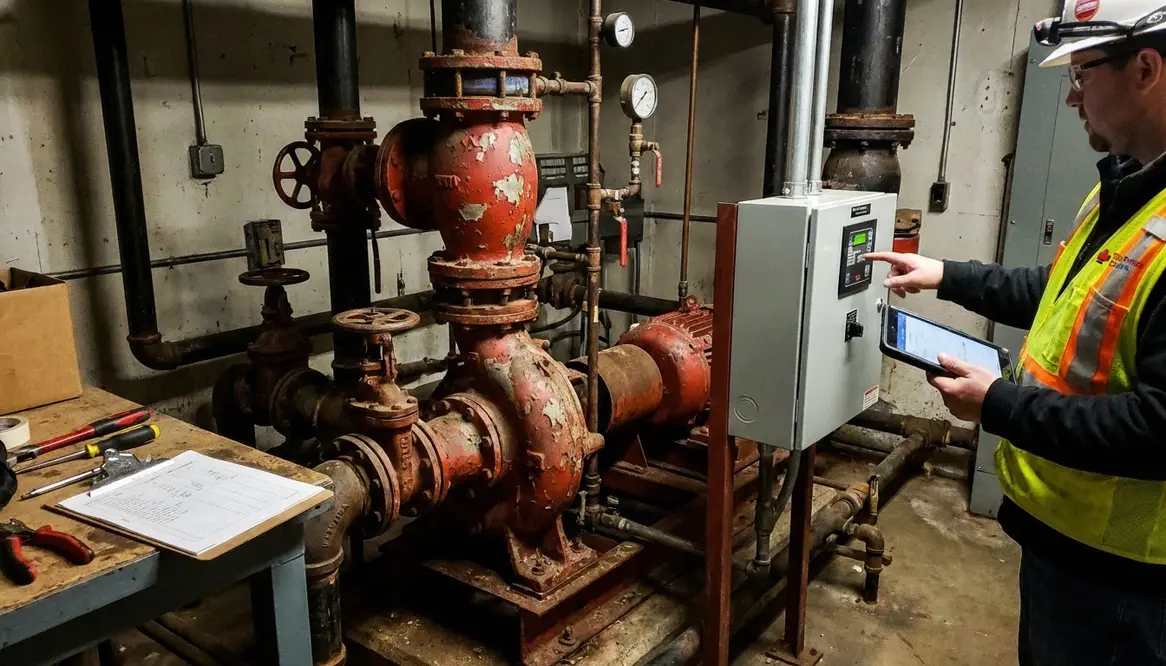
When I walk into an older commercial building, I can usually feel the story in the walls. The finishes may be tired, the wiring may have seen better days, and the fire protection system often looks like it came straight out of a museum. That is where a fire pump upgrade starts to matter. For commercial and industrial facilities, and for major property buildings, this is not just a nice update. It can be the difference between a system that keeps up and one that falls behind when pressure drops. And let me tell you, fire does not care how charming the lobby looks.
In this guide, I will break down what I look for, why upgrades matter, and how to move forward without turning the process into a full season of a disaster show.
Why older buildings need a pump review now
Older buildings often run into the same problem: water demand changes, but the fire pump stays the same. Over time, that can create weak pressure, slow response, or poor fit with current code needs. In many cases, the building has changed more than the system has. Maybe the space now holds denser storage, new equipment, or a different tenant mix. Maybe the original pump still works, but only in the way an old action hero still “works” in a sequel that no one asked for.
I start with three questions: Can the pump still meet demand, does it match the current hazard level, and does it fit with the rest of the fire protection system? If the answer is no to any of these, the building needs a closer look. Also, local rules and insurance goals can shift over time, so an old setup may no longer pass the test even if it once did.
Fast signs your pump may be falling behind
- Sprinkler or standpipe testing shows low pressure or flow
- Multiple remodels or tenant changes without system review
- More storage, higher racks, or denser equipment than the original design
- Frequent repairs, leaks, or unexplained alarm issues around the pump
If you see a few of these in the same building, a focused review and likely a fire pump upgrade are not far behind.
How I check the system before I plan an upgrade
Before I touch equipment, I check the full system. That includes the water supply, pump size, driver type, controls, suction conditions, and discharge piping. I also look at age, service history, and past test results. This step matters because a weak pump is not always the real problem. Sometimes the issue lives upstream, like poor water supply or worn piping. It is a little like blaming the drummer when the whole band is off beat.
System check on one side
- Verify current water demand
- Review pump curve and performance
- Check electrical or diesel driver condition
- Inspect valves, gauges, and controls
Building check on the other side
- Confirm current use of the space
- Compare hazard level to system design
- Review code and insurance needs
- Note access issues for future work
From there, I can tell whether the building needs repair, a partial replacement, or a full fire pump upgrade. That choice saves time, money, and a lot of future head shaking.
What a fire pump upgrade should include
A strong upgrade plan does more than swap out a machine. First, I want the new pump to match the real demand of the building. Next, I want the driver and controls to support reliable starts and clean operation. Then I want the installation to work with the site, not against it. For commercial and industrial facilities, that often means planning around shutdown windows, limited access, and active operations that cannot stop for long.
I also pay close attention to testing. A good upgrade should end with clear proof that the system performs as expected. That means proper acceptance testing, clear records, and a path for future inspection and maintenance. If the project ends with confusion, then the job was not finished. Simple as that. A pump without solid records is like a movie without subtitles when the plot gets loud.
If the building needs outside support, I look for resources that focus on major properties and industry use. For example, I would review a commercial fire pump replacement guide from a provider that works with larger facilities and complex systems. That kind of reference helps keep the project aligned with real site needs instead of a one size fits all sales pitch.
Key components to align during an upgrade
- Pump selection that matches current and future water demand
- Driver type and capacity sized correctly for the new pump
- Controllers and alarms coordinated with the fire alarm system
- Suction, discharge, and relief piping sized and routed properly
- Clear access for testing, service, and emergency response
Handled well, a fire pump upgrade becomes a long-term reliability boost instead of a one-time equipment swap.
How I reduce risk during the project
I always treat downtime like a budget item. If the pump is offline too long, the building takes on risk. So I plan the work in phases when possible. I also coordinate with facility teams, fire protection partners, and testing crews early. That way, everyone knows the schedule, the backup steps, and the limits of the shutdown.
Just as important, I keep the communication plain and direct. No one needs a speech that sounds like a legal thriller. I want the team to know what changes, when it changes, and who signs off before restart. That approach cuts mistakes and keeps the project calm, even when the job site feels a bit like a set from Mission Impossible.
Risk controls that actually work
- Schedule outage windows when occupants and operations are at lower risk
- Use temporary fire watch, extra hose lines, or backup water supplies where feasible
- Confirm impairment plans with the fire department and insurance contacts
- Document each phase of the fire pump upgrade so everyone knows what is live and what is not
- Lock in testing dates before the work starts to avoid last-minute scrambling
When should I move ahead with the upgrade?
I move ahead when tests show weak performance, when the building use has changed, or when the existing pump has reached the end of its service life. I also move ahead when repair costs keep stacking up and the system still cannot meet demand. In older commercial and industrial buildings, waiting too long can cost more than the upgrade itself. So, I prefer to act before a failure forces the issue.
Common triggers for a fire pump upgrade
- Acceptance tests or annual tests show the pump cannot hit required flow or pressure
- The building shifted from light commercial use to heavier industrial or storage
- Repairs are frequent and parts are hard to find for the existing pump or driver
- Code changes or insurer requirements outpace what the old system can do
Why “good enough” is not good enough
Many older pumps look fine during quiet days, but emergencies do not care about looks. A pump that just barely passes testing today may miss the mark tomorrow when more storage is added or another floor is reconfigured. Committing to a timely fire pump upgrade keeps the system ahead of the building instead of chasing it from behind.
If you need help sorting out options, focus on teams that regularly handle complex facilities and major properties. A good starting point is reviewing guidance from groups that specialize in these systems, such as https://firepumps.org, then matching those expectations with your site and budget.
FAQ
Conclusion
If your building still runs on an aging fire pump, now is the time to take a hard look. I recommend starting with a full system review, then comparing the results against your current use, risk, and compliance needs. A smart fire pump upgrade protects people, property, and business continuity. If you manage a commercial or industrial facility, reach out to a qualified fire protection partner and get the process moving before a small issue turns into a very expensive story.