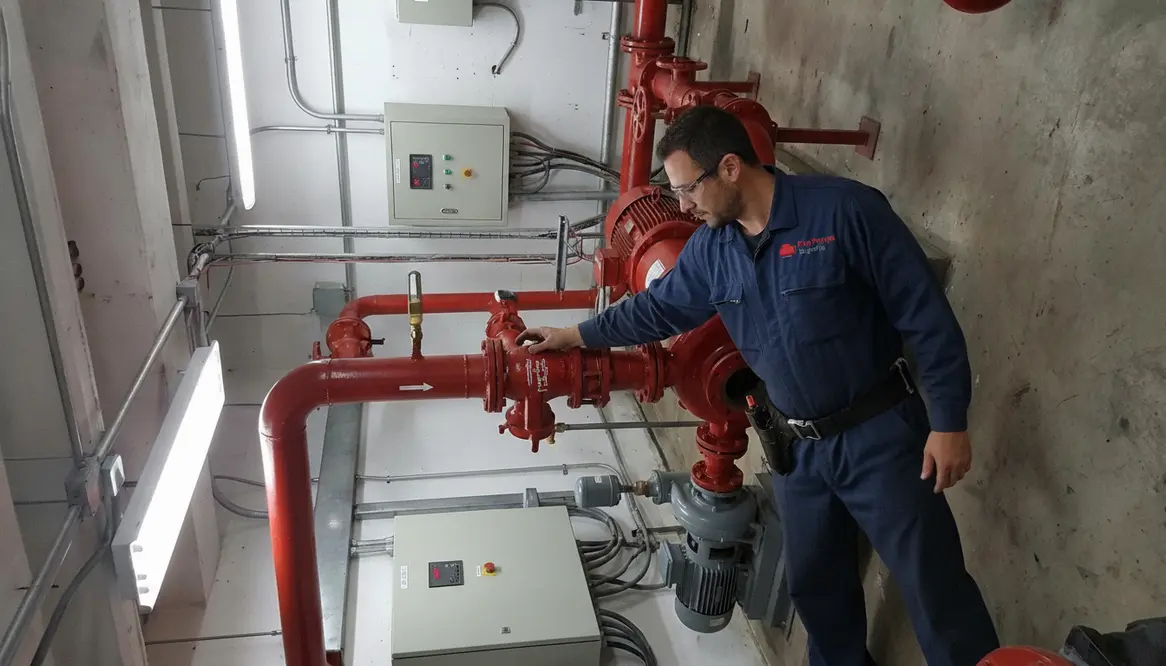
Fire Pump System Components Explained Guide
Fire Pump System Components Explained
When I look at fire pump system components, I do not see a pile of steel and wire. I see the backbone of protection for commercial buildings, industrial plants, and major properties that cannot afford a weak water supply when heat starts to rise. In a high rise, a warehouse, or a large plant, every part has a job, and every job matters. So, let me walk you through the system in plain language, with the calm confidence this subject deserves. After all, fire protection is not the place for guesswork, unless you enjoy stress as a hobby.
What the fire pump system actually does
I use a fire pump system when the normal water supply cannot deliver enough pressure to keep sprinklers and standpipes working as they should. That matters most in large commercial and industrial facilities, where height, pipe length, and demand can all work against you. The pump boosts water pressure fast, and that support helps the fire protection system stay ready.
Here is the simple version. Water enters, pressure rises, and the system sends water where it must go. Of course, the beauty lives in the parts that make that happen. Each one plays a role, and if one fails, the whole performance starts to wobble like a backup dancer who missed rehearsal.
Main fire pump system components
I like to think of these parts as a team. They do not compete. They cooperate.
Pump unit: This is the heart of the system. It moves water with force so the fire protection network can do its work. Most systems use a centrifugal pump, which handles large water flow well and fits major facilities.
Driver: The driver powers the pump. It may be electric or diesel. Electric drivers suit places with reliable power, while diesel units step in when power loss is a real concern. In short, this is the muscle behind the motion.
Controller: The controller tells the pump when to start and stop. It watches pressure and reacts when the system drops below the set point. Think of it as the calm office manager who says, “Right then, time to move.”
Suction and discharge piping: These pipes bring water into the pump and send it out under pressure. Because water flow must stay steady, pipe size, layout, and fittings all matter.
Jockey pump: This smaller pump keeps pressure steady during normal conditions. It handles tiny pressure dips so the main pump does not start for no good reason. That saves wear and keeps the system from acting like it has a nervous habit.
Pressure gauges and sensors: These tools show system pressure and help the controller make smart choices. They give the operators a clear read on what the system is doing, which is always better than hoping for the best.
Water supply source: The pump needs a dependable source such as a tank, reservoir, or municipal line. If the supply falls short, the pump cannot do miracles. Even the best equipment needs something to work with.
How each part works together
I often explain this part in two columns because it keeps the logic clean and easy to scan.
Component
Pump unit
Driver
Controller
Jockey pump
Suction piping
Discharge piping
Pressure devices
Water supply
Role
Builds pressure and moves water
Powers the pump during operation
Starts and monitors the system
Maintains normal pressure
Brings water to the pump
Sends pressurized water to the system
Track system pressure and support control
Feeds the whole setup
When pressure drops, the controller notices it. Then the jockey pump may correct the small loss. If demand climbs further, the main pump starts and delivers the flow needed for fire protection. Because these pieces work in sequence, the system responds quickly and with purpose. That is the kind of quiet reliability commercial property owners want. Nobody wants a grand drama in the mechanical room.
Fire pump system components in commercial buildings
In large buildings, the layout of the fire pump setup must match the size and risk of the property. A tall office tower needs different support than a sprawling warehouse or heavy industrial site. However, the goal stays the same: protect people, protect assets, and keep the system ready under real demand.
I always advise facility teams to think beyond the pump itself. The room, ventilation, power source, access, and inspection space all affect performance. Also, the system must follow local codes and design standards. If not, you may end up with equipment that looks impressive but performs like a superhero with no cape.
For more guidance on planning and service for commercial and industrial properties, I recommend reviewing commercial fire pump system support for a closer look at proper setup and care.
Why inspection and maintenance matter
Even strong systems need attention. Over time, valves can stick, sensors can drift, and fuel or power issues can create trouble. Therefore, regular checks help catch small problems before they grow teeth.
I look for signs such as unusual noise, pressure drops, leaks, corrosion, and poor controller response. I also make sure the driver, pump, and jockey pump all perform as expected during tests. Because this equipment protects major properties, maintenance is not optional. It is part of the job.
Quick perspective on fire pump system components
When all fire pump system components are selected, installed, and maintained correctly, they behave like a patient, well‑trained crew waiting behind the scenes. The pump, driver, controller, jockey pump, and water supply do not ask for applause; they simply stand ready so sprinklers and standpipes can do their work without hesitation.
Treat your fire pump system components as critical infrastructure rather than background hardware. Clear access, honest testing, and fast repairs turn a collection of steel and wire into a reliable safety net that quietly protects workforces, equipment, and business continuity.
FAQ
Conclusion
When I look at fire pump system components, I see more than parts and piping. I see protection, readiness, and peace of mind for commercial and industrial properties that carry real risk. If you want your system to perform when it matters most, now is the time to review your setup, schedule proper testing, and confirm every component is ready. Reach out, stay ahead of trouble, and keep your building prepared for the moment that should never come, but sometimes does.