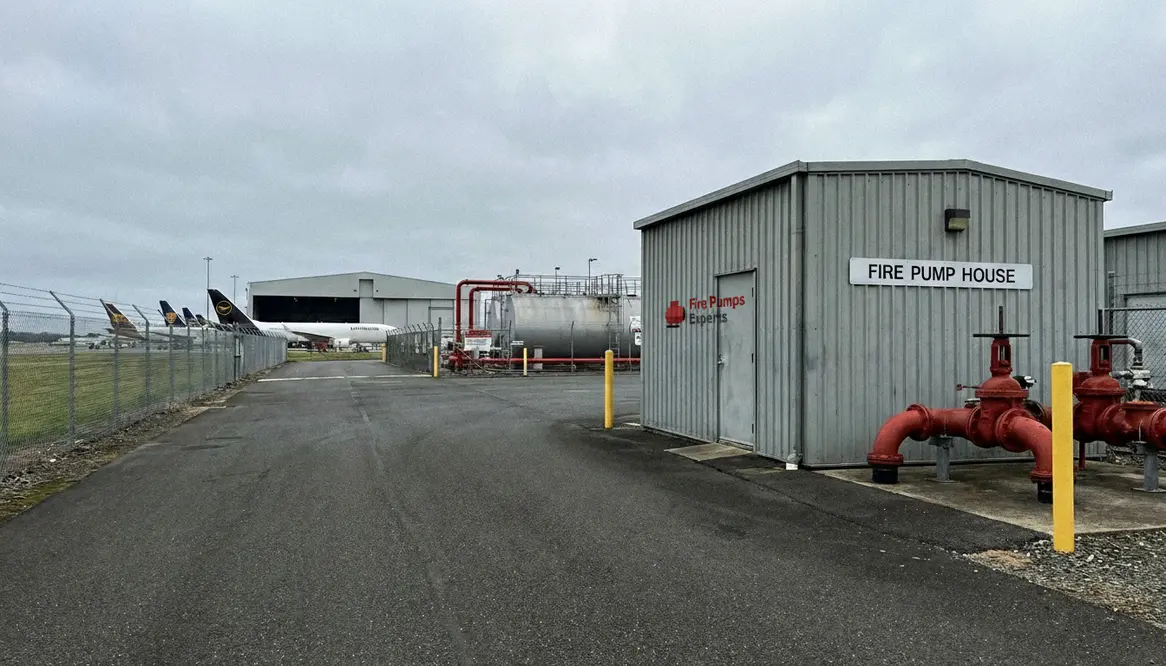
Fire Pump Systems for Airport Support Facilities Guide
I have spent years around complex infrastructure, and if there is one place where precision truly matters, it is an airport. Planes move like clockwork, people move like waves, and behind it all sits a quiet but critical system. Fire Pump Systems for Airport Support Facilities carry that responsibility with calm authority. Within the first moments of an emergency, these systems do not hesitate. They respond. And when I plan them, I think less like an engineer and more like a conductor guiding an orchestra where every note must land perfectly.
So let’s walk through how I approach fire pump planning for airport environments. I promise to keep it insightful, with just enough personality to keep you awake.
Understanding Airport Risk Landscapes
Airports are not just big buildings. They are ecosystems. You have fuel farms, hangars, cargo zones, maintenance facilities, and support buildings operating around the clock. Therefore, each area brings a different fire risk profile.
I always start by mapping these risks carefully. For example, fuel storage areas demand higher flow rates and faster response times. Meanwhile, administrative buildings require consistent but less aggressive coverage. Because of this variation, I never rely on a one size fits all design.
Additionally, I consider operational continuity. Airports cannot simply shut down. So, the fire pump infrastructure must support both life safety and business continuity without compromise. Think of it like keeping the show running even if the stage lights flicker.
Risk Mapping Priorities
- Identify high-hazard fuel and hangar zones first
- Differentiate life safety needs from asset protection goals
- Account for 24/7 operations and limited shutdown windows
- Align each zone’s fire strategy with its specific risk profile
How do I size fire pump capacity for airport facilities?
I begin with hazard classification and required flow rates. Then I layer in redundancy. Airports demand reliability, so I rarely design with a single pump solution.
Instead, I calculate peak demand scenarios across multiple zones operating simultaneously. After that, I account for pressure loss over long pipe runs, which are common in sprawling airport layouts. Consequently, the system must deliver consistent pressure from one end of the facility to the other.
And yes, I oversize slightly. Not recklessly, but strategically. Because when an aircraft hangar system activates, you do not want the pump thinking, “Well, I gave it my best shot.”
Key Steps in Capacity Planning
- Determine hazard classifications for each zone
- Establish required flows and pressures for sprinklers and hydrants
- Model worst-case, multi-zone demand conditions
- Include friction loss over extended piping networks
- Apply a controlled safety margin for unpredictable scenarios
Fire Pump Systems for Airport Support Facilities Design Considerations
Designing Fire Pump Systems for Airport Support Facilities requires a balance between performance and resilience. I focus on three pillars.
Reliability
Reliability comes first. I use diesel and electric pump combinations where appropriate, ensuring that power loss does not cripple the system.
Accessibility
Accessibility follows closely. Maintenance teams need quick access without disrupting airport operations. So I position pump rooms strategically, often near service corridors rather than high traffic zones.
Integration
Integration ties everything together. These systems must work seamlessly with suppression systems, alarms, and building controls. When done right, the entire setup behaves like a well rehearsed cast. No improvisation needed.
Balancing Redundancy and Efficiency
Now here is where things get interesting. Redundancy sounds great on paper, but too much of it can inflate costs and complexity. So I walk a fine line.
On one hand, I include backup pumps and secondary power sources. On the other, I avoid unnecessary duplication that adds maintenance burdens. Because let’s be honest, no one wants a system that requires more attention than a blockbuster movie franchise.
Therefore, I evaluate critical nodes carefully. I reinforce high risk zones while keeping secondary areas streamlined. This approach ensures that resources go where they matter most.
Primary Focus Areas
- Fuel storage protection
- Aircraft hangars
- Cargo handling zones
- Maintenance facilities
Efficiency Strategies
- Smart pump sequencing
- Energy optimized motors
- Zoned pressure control
- Predictive maintenance systems
Integration with Airport Infrastructure Systems
Fire pumps do not operate in isolation. They are part of a larger network that includes detection systems, suppression technologies, and facility management platforms.
I ensure that communication between these systems is immediate and reliable. For instance, when a detection system triggers, the pump should respond without delay. No buffering. No hesitation.
Moreover, I integrate monitoring tools that provide real time performance data. This allows facility managers to identify issues before they escalate. It is a bit like having a health tracker, but for critical infrastructure.
And yes, when everything syncs perfectly, it feels like watching a perfectly timed action scene. Explosions not included, thankfully.
Smart Integration Touchpoints
- Fire alarm and suppression system interlocks
- Building management system dashboards for pump status
- Real time fault alerts to operators and maintenance teams
- Event logging for post-incident analysis and optimization
Fire Pump Systems for Airport Support Facilities Maintenance Planning
Even the best design means little without proper maintenance. I always emphasize proactive strategies over reactive fixes.
Routine testing ensures that pumps perform under real conditions. I also recommend scheduled inspections that align with airport operations to avoid disruptions. Because shutting down a section of an airport is about as लोकप्रिय as canceling flights during a holiday weekend.
Additionally, I encourage the use of data driven maintenance. Sensors and monitoring tools can detect performance drops early, allowing teams to act before failures occur.
In short, a well maintained system is not just reliable. It is predictable. And in aviation, predictability is everything.
Maintenance Habits That Actually Work
- Strict adherence to weekly churn tests and annual full flow testing
- Coordinating major tests during low traffic operational windows
- Using sensor data to flag declining performance early
- Documenting every test, alarm, and repair for future planning
Why Fire Pump Systems for Airport Support Facilities Deserve Extra Attention
Fire Pump Systems for Airport Support Facilities sit at the intersection of safety, operations, and reputation. A single failure does not just damage assets; it disrupts schedules, strands passengers, and shakes confidence in an airport’s resilience.
Getting these systems right means understanding how fueling, maintenance, and terminal support activities interact under stress. It means designing for the edge cases, not just the average day. That is why standards, local codes, and best practices from resources like https://firepumps.org matter so much when fine tuning the details.
When Fire Pump Systems for Airport Support Facilities are thoughtfully engineered, thoroughly tested, and responsibly maintained, they become the quiet guardians in the background, letting everyone else focus on keeping flights moving and passengers on their way.
FAQ
Conclusion
When I design fire pump solutions for airports, I focus on precision, reliability, and long term performance. Every decision supports safety and uninterrupted operations. If you are planning or upgrading Fire Pump Systems for Airport Support Facilities, now is the time to invest in a system that performs when it matters most. Partner with experts who understand complex commercial environments and build with confidence.