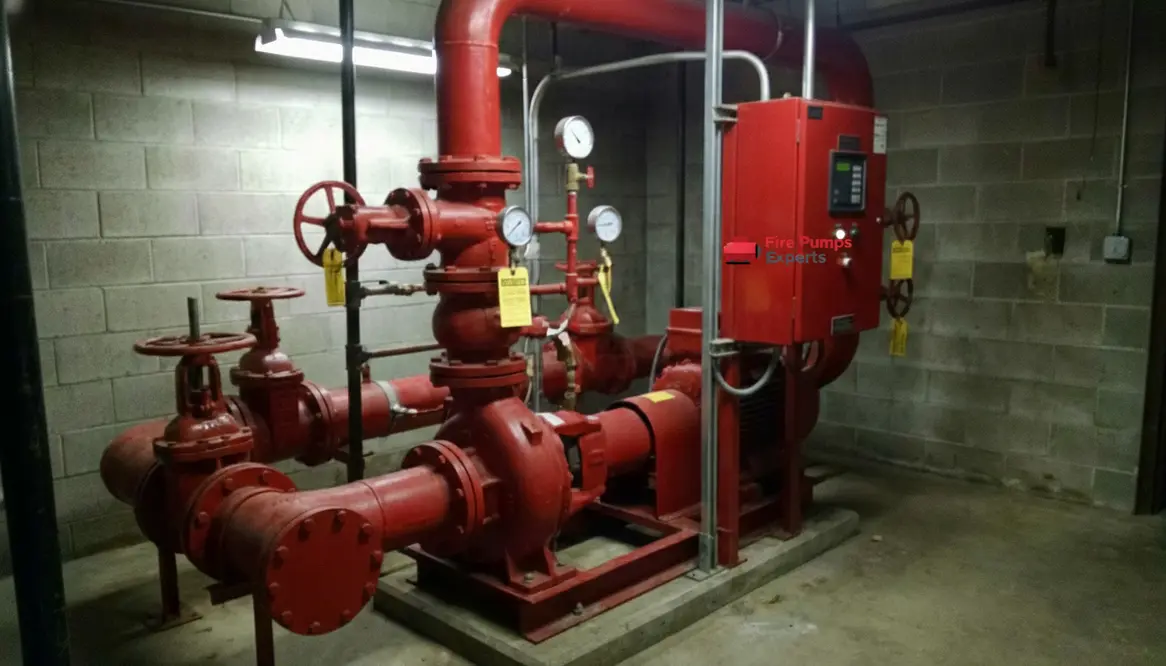
Fire Pump Systems for Assisted Living Facilities Guide
I have spent enough time around resident care buildings to know one thing with certainty. Safety is not a feature. It is the foundation. And when it comes to fire protection, there is no room for improvisation. That is where Fire Pump Systems for Assisted Living Facilities come into play. They are not just mechanical equipment tucked away in a back room. They are the quiet guardians that ensure water moves with purpose when every second counts. Today, I want to walk you through how fire protection in these environments truly works, and why it deserves more attention than it usually gets.
Understanding Fire Protection in Resident Care Buildings
Resident care facilities operate under a different level of responsibility. Unlike typical commercial properties, these buildings house individuals who may need assistance evacuating. Therefore, fire protection must act faster than human response alone.
Because of this, systems must be layered. Sprinklers, alarms, and fire pumps work together. While alarms alert, it is the water delivery system that does the real heavy lifting. And yes, this is where things get interesting. Without adequate pressure, even the best sprinkler system is about as useful as a garden hose in a five alarm fire.
Consequently, building owners must prioritize performance over minimal compliance. Codes set the floor, not the ceiling.
Why Water Pressure Is the Real Hero
Let me put it plainly. Water does not fight fire unless it arrives with force. That force comes from engineered pump systems designed to maintain pressure across large structures.
However, many facilities underestimate this. They assume municipal supply will do the job. Sometimes it does. Often, it does not. Especially in multi story or expansive care campuses, pressure drops can become a serious liability.
As a result, properly designed fire pump solutions ensure consistent flow. They step in when city supply hesitates. Think of them as the understudy who actually saves the show.
Fire Pump Systems for Assisted Living Facilities Explained Simply
I like to keep things simple. These systems exist to guarantee that sprinkler networks receive enough water at the right pressure, exactly when needed.
Here is how they function in practice.
Core Components
- Pump unit that drives water flow
- Controller that activates automatically
- Dedicated power source for reliability
- Jockey pump to maintain baseline pressure
Operational Benefits
- Immediate response during pressure drops
- Coverage across large or complex layouts
- Reduced dependency on municipal supply
- Compliance with commercial fire codes
Additionally, these systems are designed for durability. They do not panic. They do not hesitate. They simply perform.
What Makes Resident Care Facilities Uniquely Challenging
Not all buildings are created equal. Resident care environments introduce variables that demand more thoughtful design.
For instance, evacuation times are longer. Staff must assist residents. Therefore, suppression systems must control fire growth early. Furthermore, many of these buildings operate 24 hours a day, which means systems must be ready at all times without exception.
Another factor is layout complexity. Corridors, patient rooms, and shared spaces create varied risk zones. Because of this, water distribution must remain balanced across the entire structure.
In other words, this is not the place for shortcuts. Even Hollywood disaster movies know that when systems fail, things escalate quickly. Real life is less cinematic and far more serious.
How do I choose the right fire pump system?
I approach this question with a mix of engineering logic and practical experience. First, I evaluate building size and height. Then, I look at water supply conditions. Finally, I consider occupancy needs.
After that, I match system capacity to demand. Oversizing wastes energy. Undersizing creates risk. Neither is acceptable.
Equally important, I ensure compliance with commercial fire codes and standards. These are not suggestions. They are the result of decades of lessons learned, often the hard way.
And yes, working with specialists matters. This is not a weekend project. Leave DIY to furniture assembly.
Fire Pump Systems for Assisted Living Facilities and Long Term Reliability
Installation is only the beginning. Performance over time is what truly counts.
Routine testing ensures systems activate correctly. Preventive maintenance catches wear before failure occurs. Moreover, monitoring systems now allow real time performance tracking, which adds another layer of confidence.
I always say this. A fire pump that has not been tested is a question mark. And in this industry, we do not leave safety up to chance.
Additionally, investing in quality components reduces downtime. While budget conversations are inevitable, cutting corners here is like buying a parachute at a discount store. It may look fine until you actually need it.
FAQ: Fire Protection for Resident Care Buildings
What is the role of a fire pump system?
It boosts water pressure to ensure sprinklers operate effectively during a fire.
Are fire pumps required in all assisted living facilities?
Not always, but they are necessary when municipal water pressure is insufficient.
How often should fire pump systems be tested?
They should be tested regularly, often weekly and annually, per fire code requirements.
Can one system cover large care campuses?
Yes, if properly designed, a single system can support large scale commercial buildings.
What happens if a fire pump fails?
Without it, sprinkler systems may not deliver adequate water, increasing fire risk.
Final Thoughts and Next Steps
Fire protection in resident care buildings is not just about compliance. It is about responsibility. When you invest in Fire Pump Systems for Assisted Living Facilities, you are investing in reliability, safety, and peace of mind. If you manage or design large scale care properties, now is the time to evaluate your system. Reach out to professionals who understand commercial fire protection deeply and can tailor solutions that perform when it matters most. Because in this line of work, preparation is everything.