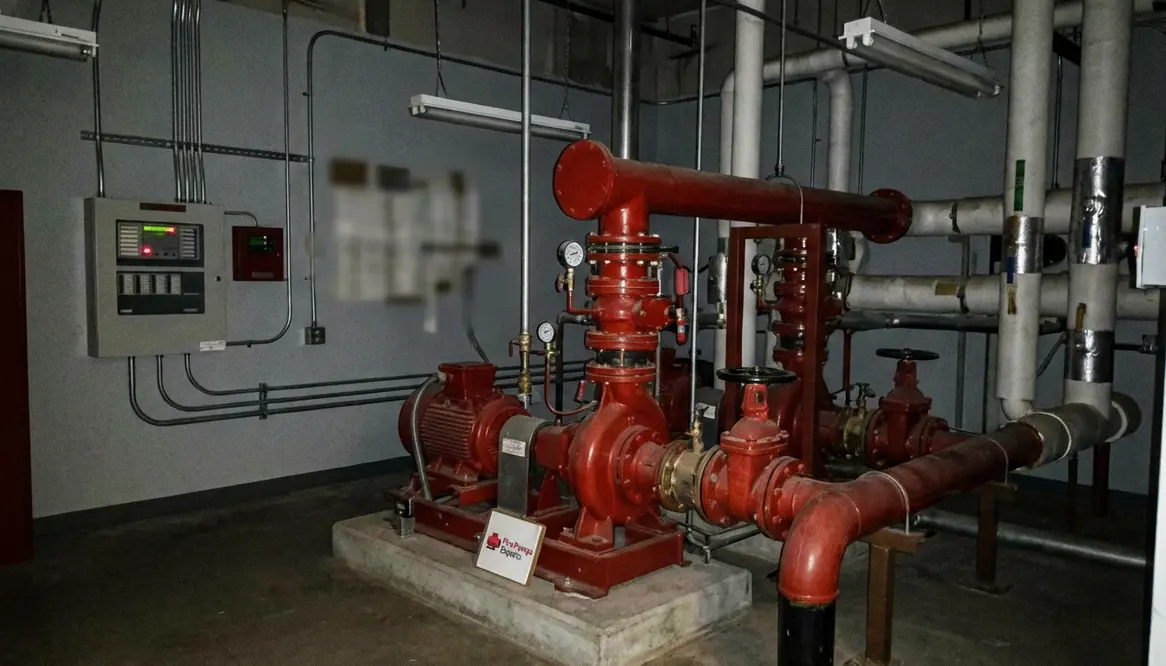
Fire Pump Systems for Cancer Treatment Centers Design Tips
I have spent enough time around mission critical facilities to know one thing for certain. When lives depend on systems working without hesitation, there is no room for guesswork. That is exactly where Fire Pump Systems for Cancer Treatment Centers enter the picture. These are not just mechanical assemblies humming in the background. They are silent guardians, ready to respond in seconds when every second matters. And yes, while fire pumps are not exactly the Avengers, they do assemble when things go sideways, just without the dramatic music.
What makes fire pump planning different for critical care operations
In critical care environments, I approach fire pump planning with a different mindset. Hospitals and treatment centers operate around the clock, which means downtime is not an option. Therefore, I design systems that assume stress, failure, and human error will happen at some point.
Moreover, redundancy becomes my best friend. I do not rely on a single pump or a single power source. Instead, I build layers of protection so that if one component fails, another takes over instantly. Think of it as a relay race where no one drops the baton.
Additionally, I account for sensitive equipment and patient vulnerability. Water delivery must be powerful, but it also needs to be controlled and precise. Too much pressure in the wrong place can create its own set of problems.
Precision planning for treatment environments
When I design Fire Pump Systems for Cancer Treatment Centers, I focus heavily on precision. These facilities house advanced imaging devices, radiation equipment, and sterile environments. Consequently, the fire protection system must integrate without disrupting daily operations.
For example, I carefully map water demand across the building. Treatment rooms, surgical areas, and support spaces each have unique needs. Therefore, I calibrate pump capacity to match real world scenarios rather than theoretical extremes.
Furthermore, I coordinate closely with facility engineers. This ensures the fire pump system aligns with HVAC, electrical, and backup power systems. It is a bit like conducting an orchestra. If one section falls out of sync, the entire performance suffers.
How do I ensure reliability in high stakes environments
I start with testing, and then I test again. Reliability is not a one time achievement. It is a continuous process. Therefore, I specify routine testing schedules that simulate real emergency conditions.
In addition, I prioritize durable materials and proven components. Fancy features are nice, but reliability wins every time. I would rather have a system that works consistently than one that looks impressive on paper.
Also, I build in monitoring systems that provide real time feedback. This allows facility teams to catch issues early. It is a bit like having a smoke detector that texts you before it even beeps. Not quite sci fi, but we are getting close.
Key planning priorities I follow
- Redundant pump configurations
- Independent power sources
- Routine automated testing
- Clear maintenance access
Common risks I actively avoid
- Single point system failures
- Undersized pump capacity
- Poor integration with facility systems
- Limited monitoring capabilities
Balancing compliance with real world performance
Codes and standards guide my work, but I never treat them as the finish line. Instead, I see them as the starting point. Compliance ensures baseline safety, yet real world performance requires deeper thinking.
For instance, I evaluate how systems behave during partial failures. What happens if a generator takes longer to start. What if water supply pressure fluctuates. These scenarios shape my decisions.
Additionally, I collaborate with local authorities and inspectors early in the process. This avoids surprises later. And let us be honest, surprises in fire protection planning are about as welcome as a plot twist in a medical drama where your favorite character suddenly disappears.
Fire Pump Systems for Cancer Treatment Centers in long term operations
Long term performance is where many systems fall short. However, I design Fire Pump Systems for Cancer Treatment Centers with longevity in mind. This means planning for maintenance, upgrades, and evolving facility needs.
I ensure components are accessible and serviceable. If a technician needs to perform maintenance, they should not feel like they are solving a puzzle from an escape room.
Moreover, I factor in future expansion. Treatment centers grow and adapt over time. Therefore, the fire pump system must scale without requiring a complete redesign.
For more technical guidance and reference material on Fire Pump Systems for Cancer Treatment Centers, I often start with resources from https://www.firepumps.org and then tailor designs to the specific facility.
FAQ
Final thoughts and next steps
When I plan fire pump systems for critical care operations, I do not cut corners. Every decision supports safety, reliability, and long term performance. If you manage a large scale medical or commercial facility, now is the time to evaluate your current setup. Reach out, ask questions, and invest in a system that performs when it matters most. Because in this line of work, preparedness is not optional. It is everything.
Fire Pump Systems for Cancer Treatment Centers may never get a cinematic soundtrack, but when they start up exactly when needed, in a building full of vulnerable patients and complex equipment, that quiet reliability is about as heroic as it gets.