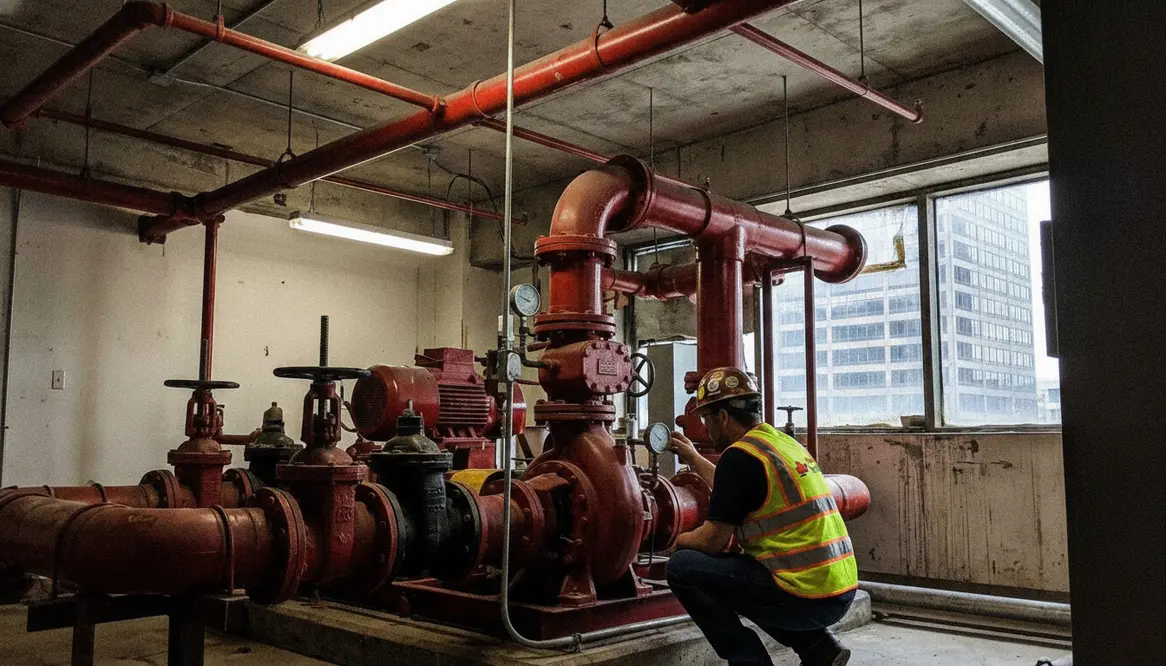
Fire Pumps for Sprinkler Systems in Commercial Buildings
When Does a Commercial Sprinkler System Need a Fire Pump?
In my line of work, I have seen one simple question save a building from a very bad day: does the sprinkler system have enough pressure when it matters most? That is where fire pumps for sprinkler systems come into the picture. They do one job with brutal honesty. They boost water pressure so sprinklers can do their job in a commercial or industrial fire emergency. And yes, that little box of steel can feel less dramatic than a superhero movie, but when the alarms start screaming, it becomes the lead character fast.
For commercial facilities and major property buildings, the answer depends on building size, water supply, system layout, and fire code rules. So, let me walk through the real signs that a fire pump is needed, without the fluff and without pretending fire protection is glamorous. It is not. Still, it is absolutely essential.
When water pressure falls short
I always start with the water supply. If the city water cannot deliver enough pressure or flow to operate the sprinkler system properly, then a fire pump becomes necessary. That shortage can happen because the main supply is weak, the building sits at a higher elevation, or the demand from the sprinkler design simply outpaces the available water.
In plain terms, the sprinklers need a strong push. If the water source acts like it just woke up before its first cup of coffee, the fire pump steps in and gets things moving. Without that boost, the system may not meet the required discharge pressure at the most remote sprinkler heads. That is a problem no facility manager wants on their desk.
How I check if the system design requires one
I look at the sprinkler design density, the size of the hazard, and the hydraulic calculations. If the math says the system cannot maintain pressure during a fire event, then a fire pump is not optional. It is part of the protection plan.
Here is the practical rule:
- If the supply cannot meet the required pressure, I flag the need for a pump.
- If the building has long pipe runs or high floors, I check for pressure loss.
- If the occupancy carries a higher fire load, I confirm that the system demand stays within code limits.
That may sound dry, but these details matter. A sprinkler system is only as strong as its weakest pressure point. Even Batman would want the hydraulics checked first.
What building types usually need fire pumps
Commercial and industrial properties often need pumps more often than small buildings because they usually have bigger systems and higher demands. Large warehouses, high rise towers, hospitals, factories, and major shopping centers often face conditions that push water supply past its limit.
In many of these properties, the sprinkler system covers a large area or must serve upper floors. As a result, the water has a longer path to travel, and pressure drops along the way. If the supply cannot keep up, a fire pump bridges that gap. That is why fire pump planning belongs early in the design stage, not as an afterthought after the drywall is done and everyone is already tired.
Code rules and the AS 2118 guide
Fire pump use also depends on fire code and sprinkler standards. In Australia, I often look to the rules that govern system performance, including the guidance tied to AS 2118 fire pump requirements for sprinkler systems. That reference helps explain when system pressure, supply capacity, and occupancy type trigger the need for a pump.
Because every site is different, the code answer is not always a simple yes or no. However, the standard gives a strong framework for deciding when a fire pump supports the sprinkler system and when the water supply alone is enough. I always treat that as the backbone of the decision, not a casual suggestion from the fire protection gods.
In case you want the exact reference point, it is here: AS 2118 fire pump requirements for sprinkler systems.
Fire pump signs I look for on site
Short answer: I look for weak pressure, large demand, long pipe runs, high rise conditions, and code triggers.
|
Pressure issue City supply drops below required system pressure. |
Pump need A fire pump raises pressure to keep sprinklers effective. |
|
Building issue High floors or large floor plates create pressure loss. |
Pump need The pump keeps water delivery stable across the full site. |
This quick check helps me spot risk early. It also keeps owners from discovering too late that their system looks fine on paper but struggles in real life. And real life, as we know, has a wicked sense of timing.
Why commercial owners should act early
I tell owners and facility teams to review fire pump needs before a project finishes, not after an inspection fails. Early review can save time, reduce rework, and keep the building on track for approval. More importantly, it helps protect people, assets, and operations when a fire starts.
For commercial and industrial sites, the goal is simple. I want the sprinkler system to work with steady pressure, proper flow, and full code support. If the building cannot get that on its own, a fire pump becomes part of the safety plan. That is not extra gear. That is peace of mind with a motor.
FAQ
Get the right fire pump plan before the pressure test gets the last laugh. I recommend reviewing your sprinkler design, water supply, and code needs now so your commercial or industrial facility stays ready, compliant, and protected. If you manage a major property building, this is the time to confirm whether your system needs support. A proper fire pump plan keeps your protection strong, your project moving, and your team far away from avoidable fire risk.