Commercial Sprinkler Water Supply Requirements Explained
When I talk about sprinkler system water supply requirements, I am not just talking about pipes, pumps, and pressure gauges doing their best impression of a movie prop. I am talking about the steady water source that keeps a commercial or industrial building ready when fire shows up uninvited. In a real fire event, the supply has to deliver the right flow, at the right pressure, for the right amount of time. That is the whole game. And yes, the details matter, because “close enough” is a terrible fire plan.
For major properties, the water supply must match the hazard level, building size, and sprinkler design. I always start there, because the system only works when the supply can keep up. Otherwise, the sprinklers may look heroic, but they will not perform the way the code and the building demand.
What a commercial sprinkler water supply must do
A commercial sprinkler system needs enough water to control or suppress a fire long enough for emergency crews to arrive. That sounds simple, but the supply must meet three basic needs at once: flow, pressure, and duration. First, the water must move at the correct rate. Second, it must arrive with enough force to reach the sprinklers that are firing. Third, it must last long enough to handle the fire load in the building.
In practice, I look at the water supply as the backbone of the whole system. If it is weak, the rest of the system starts acting like a phone on 2 percent battery. For commercial and industrial sites, that can mean a public water main, a storage tank, a fire pump, or a mix of all three. The right setup depends on the building and the local water conditions.
How I check water source, pressure, and flow
I start by reviewing the source. Is the building tied to a city main, or does it depend on stored water? Then I check static pressure, residual pressure, and flow test data. These numbers tell me whether the supply can actually support the sprinkler system during a fire. A source may look strong on paper, but under load, it can drop fast. That is where surprises sneak in, and surprise is great for birthday parties, not fire protection.
I also look at the water supply demand from the sprinkler design. The system needs a specific amount of water for the hazard class, and sometimes it also needs extra water for hose streams. In large buildings, the demand can rise quickly. Therefore, I compare the available supply against the system demand with no wishful thinking allowed.
Why fire pumps and tanks matter
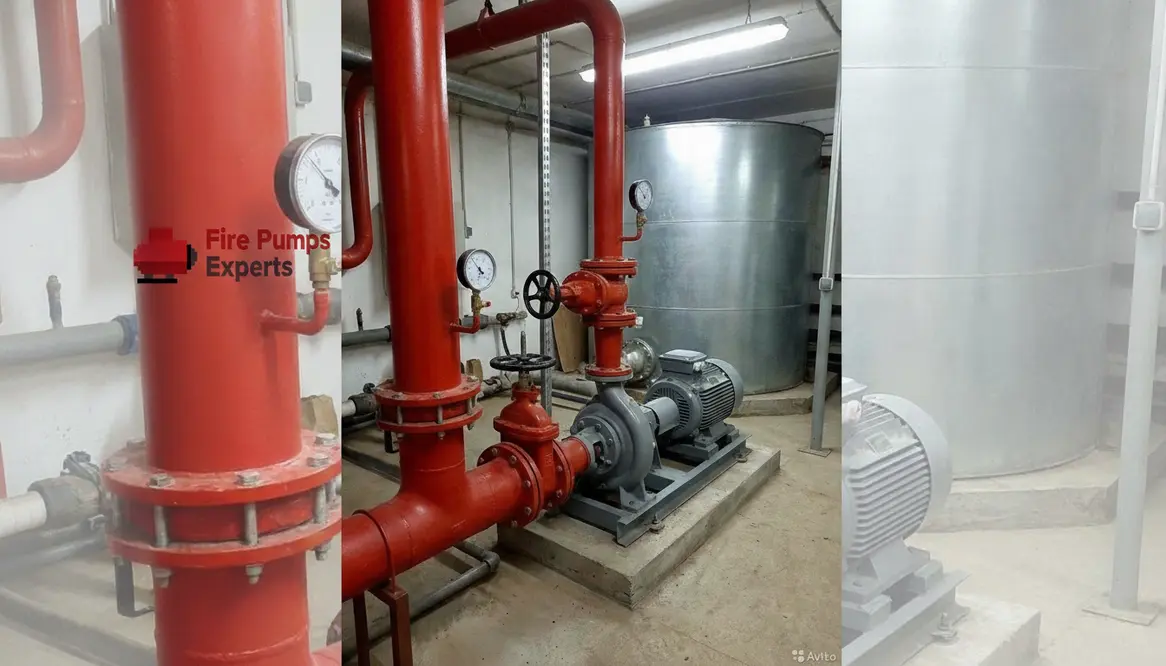
When the public water supply falls short, I look at fire pumps and storage tanks. A fire pump boosts pressure so the sprinklers can perform as intended. A tank gives the system a reliable reserve when the main supply cannot deliver enough water on its own. This setup is common in large commercial sites, warehouses, plants, and high value facilities where water loss during a fire would be a major business problem.
For a deeper look at pump rules, I recommend this AS 2118 fire pump requirements guide. It helps explain how pump selection connects to sprinkler performance, and it is a useful reference when planning a system for a major property.
Also, if you are looking for support in los angeles fire pump services, that link points to a resource focused on commercial and industrial facilities. That matters, because those buildings face bigger risks and need equipment sized for serious work, not guesswork.
Commercial sprinkler water supply requirements for major buildings
Here is the practical side. The supply must match the building use, floor area, fire load, and layout. A warehouse full of storage racks has very different needs from an office tower or a production plant. So, I never treat one design like it fits all. The sprinkler water supply requirements change with the hazard, and the design must reflect that.
These are the main checks I use:
1. Water volume
The supply must provide enough water for the full design demand and the required duration.
2. Pressure stability
The system should keep usable pressure during peak demand, not just during a calm test day.
3. Reliability
The source must stay dependable even during power loss, utility issues, or peak building use.
4. Backup support
Where needed, pumps, tanks, or dual supply paths should step in so the system does not fold like a lawn chair in a storm.
When reviewing sprinkler system water supply requirements, it helps to keep the story straight: the water source must perform under fire flow, not just survive paperwork.
That is why I compare available supply to system demand, then pressure test the plan with realistic assumptions.
Using dual columns to compare supply needs
Below is a simple way I break down the supply picture for commercial properties.
FAQs
Conclusion
When I assess sprinkler system water supply requirements, I focus on real performance, not hopeful thinking. The right supply keeps a commercial or industrial property ready when it matters most. So, if your building depends on fire protection, do not wait for a weak supply to show itself in an emergency. Review the source, test the pressure, check the flow, and confirm the backup. In fire safety, being ready is far cheaper than being brave after the fact.
Sprinkler system water supply requirements should stay aligned with the hazard and demand, because that is what keeps performance steady when it counts.