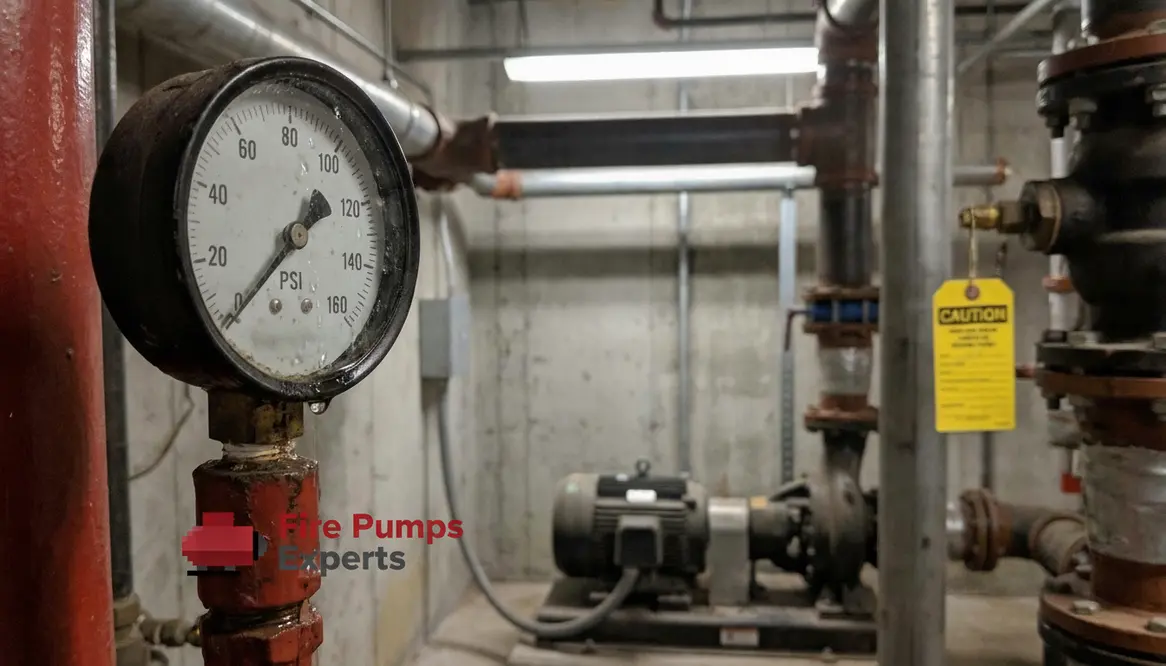
Water Pressure and Commercial Sprinkler Performance
When I look at a commercial sprinkler system, I do not see pipes and heads first. I see water pressure doing the heavy lifting behind the scenes. If the sprinkler system water pressure is too low, the system may not cover a fire the way it should. If it runs too high, it can waste water, stress parts, and make the whole setup act like a drum solo nobody asked for. In a large commercial or industrial building, that balance matters. A lot. And yes, it can mean the difference between a clean response and a very expensive headache.
In this article, I will break down how pressure shapes performance, why pumps matter, and what signs tell me a system needs attention. I will also keep it practical, because fire protection should be solid, not spooky.
Fast read: pressure decides the outcome
If sprinkler system water pressure is not in range, coverage can drift, spray patterns can miss the mark, and performance can turn into a guess-and-hope game. The goal is steady, predictable operation during real demand.
Quick checkpoints
- Test points and discharge readings
- Uneven zone coverage
- Pump readings, valve settings, and pressure loss
Why water pressure decides how well the system performs
I always start with one simple idea: sprinklers need the right pressure to spray the right pattern. That pressure creates the flow that reaches a fire area fast enough to control heat and flames. If pressure drops, water may fall short of the design goal. Then the sprinkler heads may not spread water evenly, and the fire can grow faster than a plot twist in a streaming series.
On the other hand, too much pressure can also cause trouble. It can create a spray pattern that does not match the system design, and it may push parts beyond what they were built to handle. So, I do not treat pressure like a bonus feature. I treat it like the backbone of the whole system. When sprinkler system water pressure is tuned correctly, everything else behaves like it is supposed to.
How I spot pressure problems in commercial buildings
I usually look for a few clear signs. First, I check for weak discharge at test points. Next, I watch for uneven coverage across zones. Then I look at the pump readings, valve settings, and any pressure loss during demand tests. If the numbers drift from the design range, something is off. If sprinkler system water pressure is wandering, the system will eventually start showing it.
Here is a simple way I break it down:
Pressure too low
- Poor water spread
- Delayed fire control
- Weak test results
- Possible code issues
Pressure too high
- Stress on parts
- Poor spray control
- Extra wear on valves and heads
- Possible leaks or damage
Pressure that changes often can point to pump issues, pipe restrictions, valve problems, or supply instability. I also pay attention to the building itself. Long pipe runs, high floors, and heavy demand zones can all affect performance. In large sites, water does not just show up and behave. It needs help, direction, and a very firm schedule. When sprinkler system water pressure swings, it is usually telling you where the system is struggling to keep up.
What affects sprinkler pressure behind the walls
Several things can shape the pressure inside a commercial system. Water supply from the city line is one. Pump size is another. Pipe condition matters too, because rust, buildup, and hidden damage can slow flow. Even a small valve issue can throw off the balance.
So, when I review a system, I do not blame one part too fast. I check the whole path from source to sprinkler head. That approach saves time and avoids the classic office move of blaming the printer for everything. If sprinkler system water pressure is not matching the design, the system is rarely failing in only one place.
Also, building changes can shift the pressure picture. A warehouse expansion, a new floor, or a different storage layout may change the fire load and water demand. That is why pressure checks should never live in a drawer collecting dust like an old DVD box set. The moment the building becomes different, sprinkler system water pressure needs to be re-verified.
When pump support makes the difference
In many commercial and industrial facilities, the water supply alone cannot hold steady pressure during a fire event. That is where a fire pump steps in and keeps the system ready. I have seen facilities run better simply because the pump matched the real demand of the building, not just the hopeful version on paper. When sprinkler system water pressure relies on the city line without support, performance can wobble right when you need stability the most.
If I want a deeper look at pump design and code related needs, I often refer to AS 2118 fire pump requirements for sprinkler systems. It gives useful context when pressure support needs to meet a building’s fire protection design.
For facilities in the United States, I also point to los angeles commercial fire pump services when teams need support for large commercial and industrial properties. That kind of help matters when a building needs reliable pressure, not wishful thinking and a firm handshake.
To keep this practical, treat sprinkler system water pressure as a performance variable, not a background setting. Pumps help you stay inside the right range when demand ramps up.
How I keep the system in the right range
I keep pressure stable by testing, documenting, and correcting small issues before they grow teeth. Regular inspections help me catch clogged lines, failing pumps, closed valves, and supply changes. I also compare live readings with system design data, because numbers tell the truth even when people do not want to hear it.
Just as important, I make sure the system fits the building’s current use. A property that once stored office files may now hold racks, equipment, or high value goods. That changes the demand. So, pressure management must keep pace with the building, not the memory of it. If sprinkler system water pressure is tuned once and never revisited, performance can drift quietly over time.
FAQ
Conclusion
I treat sprinkler pressure like the quiet force that keeps a whole fire protection plan alive. If it slips, performance slips with it. If it stays in range, the system can do its job with confidence. So, if you manage a commercial or industrial property, do not wait for a warning sign to become a costly problem. Review your system, check the pressure, and make sure your fire protection support matches the building you actually have today. When sprinkler system water pressure is handled with care, the system stays ready, steady, and predictable instead of improvising under stress.