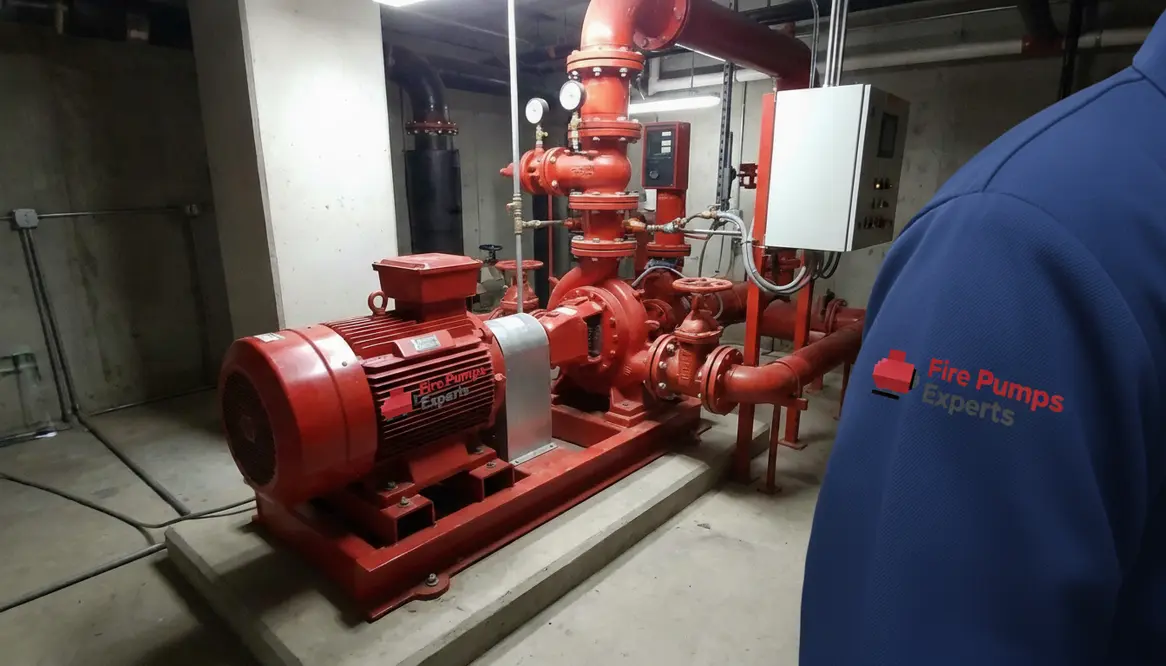
Fire Sprinkler Pump Systems for Large Facilities
When I talk about fire protection for large commercial and industrial properties, I always start with the sprinkler pump system. It is the part that helps water move with enough force when a fire sprinkler network needs to wake up and do its job. And yes, that matters a great deal when a warehouse, plant, high rise, or major property faces real risk. I have seen plenty of systems that look calm and quiet on a normal day, almost like they are meditating, but when the heat rises, they must respond fast. That is where the pump earns its keep.
For property owners and facility managers, the goal is simple: protect people, assets, and operations without turning the building into a drama series. So, let me walk through how these pumps work, why they matter, and what to look for if you manage a serious facility.
How the fire pump supports your building
The fire pump gives the sprinkler system the pressure it needs to push water through pipes and out of sprinkler heads. In large buildings, city water alone often cannot do the full job. Therefore, the pump steps in when pressure drops or when demand rises during an emergency.
Most systems include a main pump, a driver, control panels, valves, and a water supply source. In many cases, the driver runs on electricity or diesel. If the power cuts out, which it loves to do at the worst possible time, the diesel unit can still keep the system alive. That backup role makes the pump a serious piece of life safety equipment, not just another box in the mechanical room collecting dust and judgment.
What happens during an alarm
When heat activates a sprinkler head, water flows. Then the pressure in the system drops. The pump controller notices that drop and starts the pump. As a result, the system restores pressure and keeps water moving to the open sprinkler heads.
Here is the simple flow:
- Heat opens one or more sprinkler heads
- Water begins to discharge
- Pressure falls in the pipe network
- The controller starts the pump
- The pump boosts water flow to the fire area
This process sounds basic, yet timing is everything. A delay can make a bad day worse. That is why testing and upkeep matter so much for commercial and industrial sites.
Types of fire pumps I check first
Electric fire pump
I often see this in buildings with stable power and strong backup systems. It runs cleanly and needs less fuel handling, which makes life easier for facility teams.
Diesel fire pump
I like this for sites where power loss is a real concern. It gives strong backup support, although it needs fuel, ventilation, and regular attention.
Each option fits a different risk profile. So, I do not treat them like menu items at a diner. I look at the building load, water supply, local code needs, and uptime goals before I make a recommendation.
Why maintenance keeps the system ready
A sprinkler pump system can only protect a building if it stays ready. That means routine checks, weekly starts, flow tests, pressure checks, and inspection of valves and controllers. Over time, wear can build up in seals, motors, switches, and lines. Also, corrosion and sediment can slow performance in ways that are easy to miss until an emergency arrives.
For commercial and industrial facilities, I treat maintenance as risk control. It protects production, inventory, tenants, and critical operations. In other words, it helps the building avoid a very expensive episode that nobody asked for.
When a facility needs a stronger fire pump plan
I pay close attention to buildings with tall risers, large floor space, special hazards, or high water demand. These sites often need a stronger pump plan because their sprinkler systems must cover more area or fight tougher fire loads. Warehouses, manufacturing plants, distribution centers, and major properties all fall into that world.
That is also why I like to review the full system design, not just the pump alone. Water supply, pipe size, control logic, and backup power all matter. If one part struggles, the whole setup feels it. Kind of like a band where the drummer shows up late. The song still plays, but nobody enjoys it.
How I think about planning and compliance
I always focus on code, testing, and proper installation. Fire protection in major facilities is not a guesswork game. The design must match the building use and hazard level, and it should support the sprinkler demand with the right pressure and flow. For deeper service details, I suggest reviewing Kord Fire protection solutions as a helpful reference for building safety planning.
If your property needs a stronger regional focus, you can also look at Los Angeles fire pump service for another industry resource. Both links can help support a better understanding of pump based fire protection for major facilities, including choosing the right sprinkler pump system for your sprinkler network and water supply reality.
FAQ
Quick answers for the big decisions. Because when it comes to a sprinkler pump system, you want clarity long before testing day.
Final thoughts and next step
If you manage a commercial or industrial property, I recommend taking a hard look at your fire protection setup now, not after a problem starts. A well planned sprinkler pump system supports safety, uptime, and code compliance, while also giving you peace of mind. If you want to protect a major building with a smarter fire pump strategy, reach out today and let us help you review, improve, and future proof your system.
Because in the real world, a sprinkler pump system is not a decoration. It is the difference between ‘it should work’ and ‘it did work.’ And yes, it is absolutely worth treating like the life safety equipment it is.