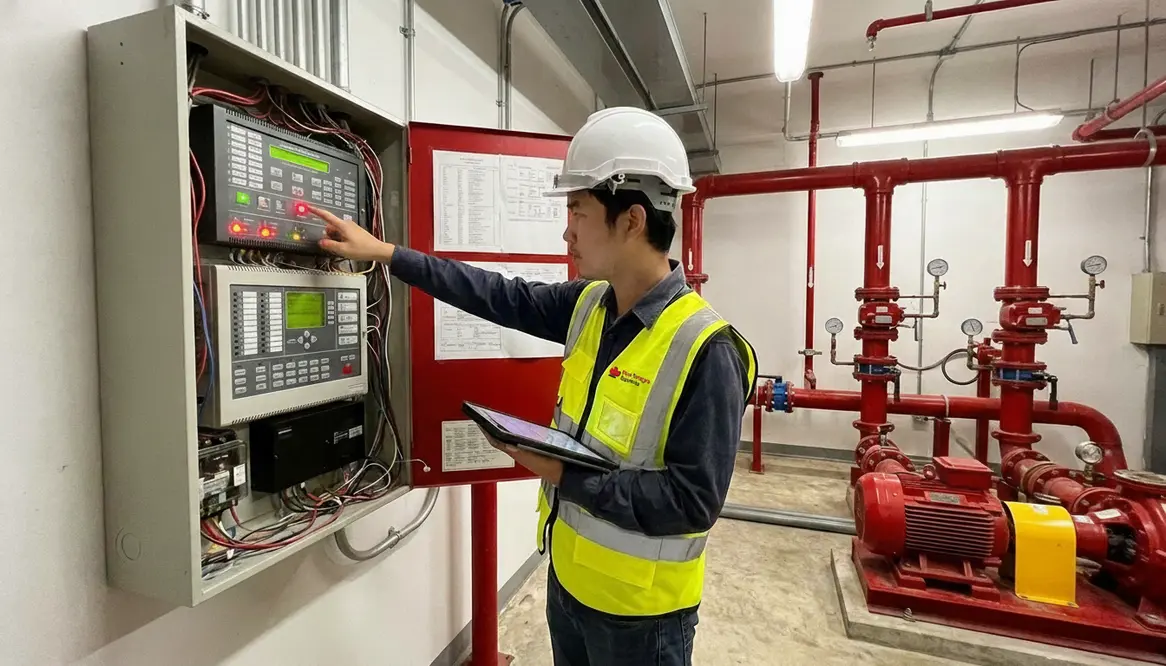
Fire System Commissioning Process Step by Step
Turning a pile of hardware into a trusted life safety system takes more than a few beeps and a signed form. This walkthrough shows how a structured, tested approach to fire system commissioning turns equipment into real protection for people, property, and operations.
Fire System Commissioning Process Explained
When I talk about fire system commissioning, I mean the final stretch that turns installed equipment into a trusted life safety system. In a commercial or industrial building, that matters more than most people ever want to admit. After all, a fire alarm or suppression setup should not behave like a confused extra in a bad action movie. It should work cleanly, quickly, and exactly when needed. In this article, I walk through the process step by step, so you can see how a properly commissioned fire system protects major property, supports code compliance, and helps keep operations steady.
At a Glance: Why Commissioning Matters
- Proves systems work together, not just alone
- Supports code compliance and insurance expectations
- Reduces ugly surprises during real emergencies
- Protects uptime, equipment, and inventory in large facilities
What fire system commissioning actually means
Commissioning is the full testing and verification of a fire system before it goes live. I check that each part works on its own, and then I confirm the entire system works as one unit. That includes alarms, detectors, control panels, sprinkler controls, pumps, interfaces, and notifications. If one piece fails, the whole system can stumble. And in this world, stumbling is not a cute personality trait.
For commercial and industrial facilities, fire system commissioning proves that the system matches the design, meets code, and responds the way the building needs it to. It also gives owners and facility teams confidence that the system is not just installed, but ready.
How I prepare the site for testing
Before I run any tests, I review the plans, submittals, and approved drawings. Then I compare the installed work against the design intent. This early step saves time later because it exposes gaps before everyone starts pushing buttons and looking serious.
I also coordinate with the owner, contractors, alarm vendor, sprinkler team, and building staff. In a busy industrial site, timing matters. So I plan around shutdowns, safety permits, and any active operations. If the building has sensitive systems, I make sure every party knows what will happen and when. Good preparation keeps the process smooth and cuts down on costly surprises.
Step by step fire system commissioning process
I usually follow a clear sequence so the work stays organized and the results stay reliable.
1. Visual inspection
I start by checking the installed equipment for damage, missing parts, poor labeling, and bad placement. Then I confirm that devices sit in the right locations and that access stays clear. A detector hidden like it is playing hide and seek cannot do its job.
2. Device and circuit testing
Next, I test individual parts. I verify smoke detectors, heat detectors, pull stations, horn strobes, tamper switches, water flow devices, and supervisory signals. I also check wiring paths and circuit response. Each device must send the right signal at the right time.
3. Control panel verification
After that, I confirm that the fire alarm control panel receives and displays the correct signals. Then I make sure alarms, troubles, and supervisory events appear properly. I also test battery backup, because power loss should not turn the system into a very expensive paperweight.
4. Integrated system testing
Here I verify how the fire system interacts with other building systems. That may include elevator recall, HVAC shutdown, access control release, smoke control, fire pumps, and suppression release systems. This step matters because modern buildings rely on connected systems, not isolated parts.
5. Final acceptance testing
Finally, I run acceptance testing with the right parties present. This confirms the system performs as required under real conditions. Once the test results pass, I document everything and prepare the closeout package.
What I check during fire system commissioning
To make the process more useful, I break the review into two simple columns:
| System area | What I verify |
| Fire alarm devices | Correct location, operation, and signal response |
| Sprinkler controls | Water flow, valve status, tamper signals, and alarms |
| Fire pump systems | Start sequence, pressure performance, and run status |
| Notification systems | Sound, light, and coverage across the building |
| Building interfaces | Proper shutdown, recall, release, and control actions |
This kind of check keeps the work sharp. It also helps large facilities avoid weak spots that may not show up until the worst possible moment. Because, naturally, problems love bad timing.
Why proper commissioning protects commercial buildings
When I commission a system correctly, I help reduce risk in several ways. First, I confirm the system responds fast enough to support evacuation and emergency action. Second, I help catch installation errors before they become expensive failures. Third, I support compliance with fire code and insurance expectations.
For industrial properties, that protection goes even further. A tested fire system can help limit downtime, protect equipment, and reduce damage to inventory and operations. In other words, commissioning does not just check a box. It protects the business itself.
For readers who want a deeper technical reference, I also recommend reviewing commercial fire pump and fire protection system guidance for major properties as part of the broader planning process.
How I document the final handoff
Once the tests pass, I prepare a full record of results. That includes test forms, punch list notes, corrected items, model and device data, and final approvals. I also review operating instructions with the owner or facility team. This step matters because a system only stays reliable when people know how to use and inspect it.
Good handoff work also helps with future maintenance. If a device fails later, the service team can move faster because the commissioning record already shows what was installed and how it performed.
Fire system commissioning in real-world operations
In day-to-day building life, fire system commissioning is the quiet backbone behind a lot of decisions. When a plant manager signs off on a new production line, they assume emergency systems will react properly if something overheats or a process misfires. When a property manager opens a multi-tenant office tower, they assume alarms, notifications, and building interfaces will behave exactly as written in the fire plan.
That trust does not appear by accident. It comes from a structured commissioning program that treats every detector, pump, valve, and notification circuit as part of a single system with a single job. When the work is thorough, fire system commissioning quietly supports insurance renewals, emergency drills, and occupancy approvals without drama.
FAQ
Conclusion
If you want your fire protection system to do its job when it counts, I recommend treating commissioning as a must, not a nice to have. I help commercial and industrial properties move from installation to real readiness through careful testing, solid records, and clear handoff. If your building needs a dependable process for fire system commissioning, reach out and make sure your system is tested the right way, before the pressure turns serious.