Fire Protection Documentation Requirements Guide
A practical, inspection-day-ready walkthrough of what belongs in your fire protection documentation, how to keep it organized, and why it matters when the fire marshal shows up.
Fire Protection Documentation Requirements Explained
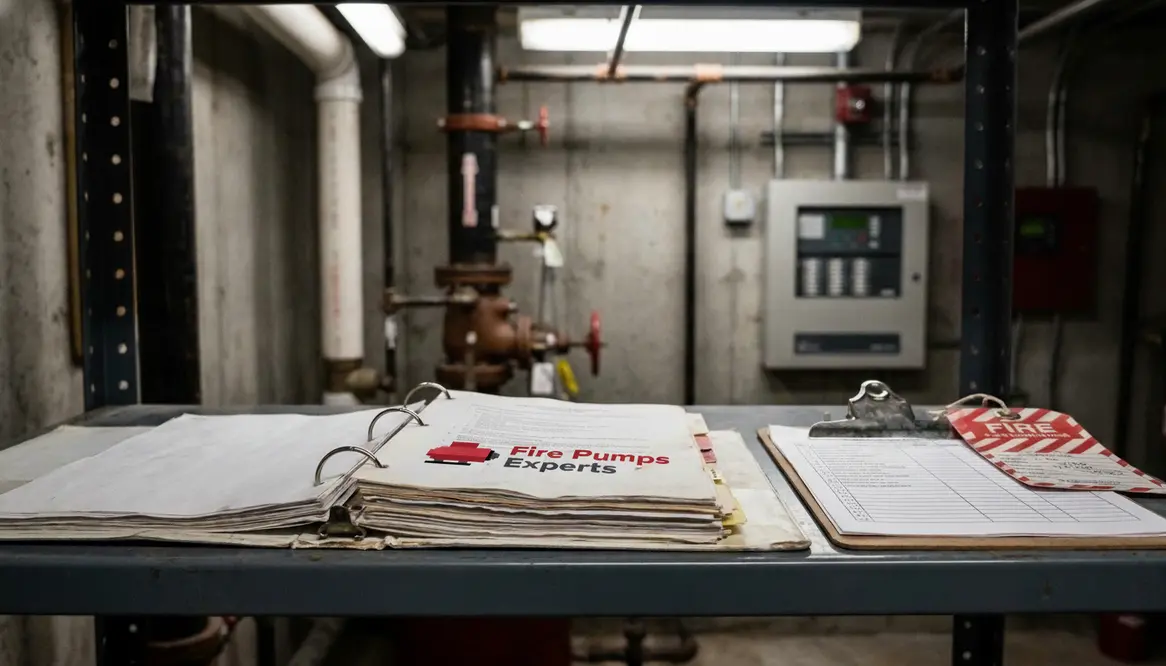
I’ve seen plenty of business owners treat paperwork like a side character in a movie. Then the inspection day arrives, the fire marshal walks in, and suddenly that “boring binder” becomes the star of the show. That is exactly where our fire protection documentation earns its keep. For commercial and industrial facilities, and for major property buildings, these records prove that systems work, inspections happened, and safety steps were not just promised, but actually done. In other words, this is not paper for paper’s sake. It is the trail that helps protect people, property, and business continuity.
Below, I’ll break down what belongs in the file, why it matters, and how I’d keep it clean, current, and ready for real world review. Because nobody wants to scramble for a missing test report while the clock is ticking. That is a special kind of workplace cardio.
What belongs in the fire safety record set?
At the core, I keep a complete record set for every fire protection system on site. That means sprinkler system inspection reports, alarm test logs, extinguisher service tags, pump test results, standpipe records, and suppression system maintenance notes. I also include system drawings, equipment lists, and product data sheets when needed. For larger buildings, this becomes even more important because a single site may have several systems working together like a cast from a good ensemble film.
For fire protection documentation to do its job, it must show more than “we checked it sometime last year.” It should show the date, the system name, the person who performed the work, the findings, and any correction made. If an issue exists, I want to see how it was fixed and when it was rechecked. That chain matters because it proves control, not just effort.
How do I keep inspection and test records ready?
I keep inspection and test records in a simple, organized format that people can use fast. First, I separate records by system type. Then I sort them by date. After that, I make sure each record has the same basic details. That consistency saves time during audits, insurance reviews, and fire marshal visits.
Here is the simple rule I follow: if someone else can open the file and understand the status in under a minute, the system works.
Quick reference record checklist
Record type
- Alarm tests
- Sprinkler inspections
- Fire pump tests
- Extinguisher checks
What I verify
- Signal function, trouble alerts, panel status
- Valve position, heads, water flow, visual damage
- Churn pressure, run time, flow results
- Charge, access, tag date, condition
Next, I keep correction records close to the original report. If a broken head gets replaced, I do not want that story split across three folders and a mystery spreadsheet from 2019. The correction note should show the issue, the fix, the date, and the signer. That way, the building’s compliance trail stays clean and easy to follow.
Why does code compliance paperwork matter so much?
Because code compliance is not a suggestion. It is the line between a safe facility and a very expensive headache. Fire protection documentation helps prove that the building follows local fire code, insurance rules, and any required standards for the installed systems. For commercial and industrial properties, this can affect liability, occupancy approval, and even business operations.
It also helps during incidents. If a system fails or a false alarm causes a shutdown, the records tell the story. They show whether the equipment was maintained, whether warnings appeared before the event, and whether the response followed the plan. In that sense, paperwork becomes evidence. Not glamorous, sure, but neither is a wet ceiling at 2 a.m.
I also look at retention periods carefully. Some records need to stay on file for years. Others may need to remain for the life of the system or equipment. So I do not treat old documents like junk mail. I treat them like proof, because that is exactly what they are.
Where fire protection documentation becomes your safety net
- During fire marshal inspections, when you need to prove systems are maintained.
- During insurance reviews, when underwriters ask for clean, complete histories.
- After incidents, when investigators want to see service dates and findings.
- When ownership changes and the new team needs a clear view of system health.
How should a large property organize records for quick access?
I recommend a system that is both physical and digital. Physical files still help during walk throughs, while digital copies make search and backup easier. The best setup uses clear labels, a master log, and a named contact person who knows where everything lives. If the facility has multiple buildings or tenants, I create separate folders for each area so nothing gets mixed up.
For fast access, I also keep these items near the front of the file:
Essential front page items
- Current system overview
- Most recent inspection summary
- Emergency contact list
- Active deficiency list
- Repair completion notes
Meanwhile, I make sure the file stays current. A perfect binder from two years ago does not help much today. Therefore, I set reminders for monthly checks, quarterly reviews, and annual updates. That habit keeps the records alive, not just archived.
Where can I find help for stronger compliance support?
When a facility needs better record control, I look for resources that focus on commercial and industrial protection needs. For practical guidance on system care and record readiness, I may reference commercial fire pump and protection support to better understand how inspection and service records should align with building safety goals. That kind of support helps large properties stay ready without turning compliance into a full time scavenger hunt.
Turning guidance into fire protection documentation that works
Good external resources only help if they translate into clear, usable records. I make sure any recommendations end up reflected in templates, checklists, and naming conventions inside the actual files. That way the fire protection documentation becomes a working tool, not just a stack of printouts gathering dust.
Putting it all together: making records usable every day
For a large commercial or industrial property, I look at fire protection documentation as a live operational tool. It should help answer questions quickly:
- What systems protect this area, and when were they last inspected?
- What deficiencies are still open, and who owns the fix?
- What changed since last year’s audit, test, or shutdown?
When the structure is clean, anyone stepping in can follow the story in minutes. That is the real value of solid fire protection documentation: it turns complex systems into a clear, traceable record that backs up every inspection, every correction, and every upgrade.
CTA Conclusion
If you manage a commercial or industrial facility, now is the time to tighten your records and stop leaving compliance to chance. I recommend reviewing every inspection log, test report, and correction note before the next audit or site visit. Then build a system that stays current all year. Good fire protection documentation does not just satisfy rules. It supports safety, keeps operations steady, and gives you peace of mind when the stakes are high.