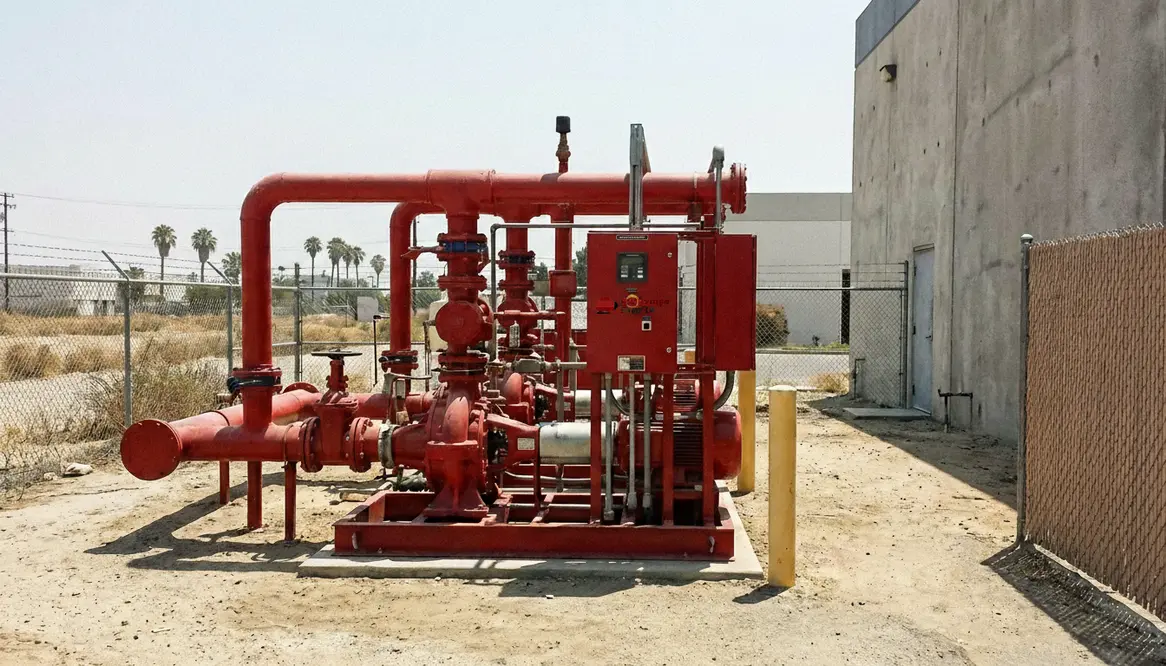
High Hazard Fire Pump Fontana CA Selection Guide
I have spent years walking through large industrial sites in Fontana, where the hum of machinery never quite stops and the stakes always feel high. When it comes to protecting these environments, choosing the right high hazard fire pump Fontana CA solution is not just a technical task, it is a responsibility. Because in facilities packed with combustible storage, flammable liquids, or dense commodities, fire does not politely knock. It kicks the door in like it owns the place. So, I approach fire pump selection with care, precision, and just a hint of healthy paranoia.
Understanding High Hazard Storage Risks in Fontana
First, I ground every decision in the nature of the hazard. High hazard storage facilities are not your average warehouses. They often hold plastics, chemicals, or tightly packed goods that burn hotter and faster. As a result, water demand rises dramatically.
Moreover, Fontana’s industrial landscape adds another layer. With large distribution centers and manufacturing hubs, I often see complex layouts and tall storage configurations. Therefore, I always consider how fire can spread vertically and horizontally at alarming speed. Think of it like a domino effect, except the dominoes are on fire and moving fast.
Because of this, selecting the right pump is less about preference and more about matching performance to risk. And yes, cutting corners here is about as wise as bringing a water pistol to a wildfire.
Why risk profile drives every pump decision
In Fontana, high hazard storage often means towering racks, fast-moving operations, and materials that do not forgive mistakes. A properly selected high hazard fire pump Fontana CA system has to anticipate rapid fire growth, long hose runs, and sprinkler densities that can feel more like industrial waterfalls than gentle sprays.
High Hazard Fire Pump Fontana CA Selection Basics
When I evaluate fire pump options, I focus on three pillars: flow, pressure, and reliability. Each one plays a critical role, and skipping any of them is like trying to bake a cake without flour. It just does not work.
Flow rate must meet the system demand, especially for sprinkler systems designed for high hazard classifications. Meanwhile, pressure ensures water reaches the most remote or elevated areas. Finally, reliability guarantees the system performs when it matters most, not just when someone is watching.
In addition, I always align with NFPA standards and local codes. Fontana does not play around with compliance, and neither should you. Therefore, I make sure every selection fits both regulatory and operational needs.
Connecting performance to Fontana’s real demands
Any high hazard fire pump Fontana CA setup has to respect long distribution lines, elevation changes, and the brutal reality that fire events rarely stay politely in one corner. Oversights in pump sizing or pressure margins tend to show up exactly when you have the least time to fix them.
What Fire Pump Type Should I Use for High Hazard Storage?
I get this question often, and the answer depends on the facility’s specific demands. However, a few pump types consistently rise to the top.
Electric fire pumps are efficient and reliable when power supply is stable. On the other hand, diesel fire pumps provide independence from electrical systems, which can be a lifesaver during outages. Then there are vertical turbine pumps, ideal when water sources come from underground or tanks.
Still, I do not pick based on popularity. Instead, I evaluate water supply conditions, system demand curves, and backup requirements. Because in high hazard environments, guessing is not a strategy. It is a liability.
How I narrow down the right pump for Fontana facilities
For each high hazard fire pump Fontana CA project, I walk through water source reliability, redundancy expectations, and how brutal a worst-case outage could be. From there, I match pump type, driver choice, and controller logic to the kind of incident nobody wants to actually see.
Key Considerations I Always Review
- Available water source and consistency
- Required system pressure at peak demand
- Redundancy needs for critical operations
- Facility size and vertical reach
Common Pump Choices for Fontana Facilities
- Split case pumps for high flow demands
- Diesel driven units for backup reliability
- Vertical turbines for deep water access
- End suction pumps for smaller high hazard zones
Designing for Real World Performance
Now, here is where things get interesting. On paper, many systems look perfect. However, real world conditions tend to have a sense of humor. Pressure losses, pipe friction, and unexpected demand can all throw a wrench into your plans.
Therefore, I always design with a margin of safety. Not excessive, but enough to handle surprises. Additionally, I consider future expansion. Because today’s warehouse could become tomorrow’s mega distribution hub faster than a movie sequel gets announced.
Furthermore, I ensure the pump integrates smoothly with alarms, monitoring systems, and backup power. A fire pump should not operate in isolation. It should be part of a coordinated response that acts quickly and decisively.
Building in resilience instead of wishful thinking
The most effective high hazard fire pump Fontana CA designs assume something will go wrong: a valve half closed, a pipe a little rougher than expected, a tank not quite as full as the drawings promise. That is why I build in realistic cushions, verify curves against actual test data, and make sure the system has some grit, not just glossy specs.
High Hazard Fire Pump Fontana CA Compliance and Testing
Even the best system means nothing without proper testing and maintenance. So, I make it a point to emphasize routine inspections and performance testing. This is not optional. It is essential.
In Fontana, compliance with NFPA 20 and local regulations ensures systems remain ready. I always recommend scheduled flow testing and controller checks. Because a fire pump that fails during an emergency is like a superhero who forgot their powers at home. Not very helpful.
Additionally, documentation matters. Keeping clear records not only supports compliance but also provides insight into system performance over time.
Testing routines that actually protect you
For any high hazard fire pump Fontana CA installation, I push for meaningful testing: weekly visual checks, monthly churn tests, and annual flow tests that do more than check a box. When the logs, curves, and on-site behavior all line up, that is when I start to relax. Slightly.
FAQ: Fire Pump Selection for High Hazard Facilities
Final Thoughts and Next Steps
Choosing the right fire pump is not just about meeting code. It is about protecting assets, operations, and lives. If you are managing a high hazard facility in Fontana, I encourage you to take a closer look at your current system. Work with experts who understand the complexity and demand of these environments. Reach out today and ensure your fire protection strategy is as strong and reliable as the operation it protects.
Whether you are upgrading an older installation or planning a brand-new high hazard fire pump Fontana CA project, invest the time to match the pump, water supply, and controls to the reality of your risk. The calm you feel walking the floor after that work is done right is worth every bit of effort.